
How a Strategic Approach Transforms Your Wellness Brand
A content strategy for wellness is a structured plan that aligns your brand’s messaging with audience needs across the right channels. Unlike random posting, it creates a cohesive experience that builds trust and drives growth.
Quick Guide to Content Strategy for Wellness:
- Define your wellness niche – Choose a specific focus area (women’s health, sleep, nutrition)
- Create detailed audience personas – Understand who you’re helping and their challenges
- Develop a content calendar – Plan topics around business goals and seasonal trends
- Choose appropriate formats – Match blogs, videos, and social content to audience preferences
- Back claims with research – Build credibility with scientific evidence
- Measure and optimize – Track performance metrics and refine your approach
The wellness industry is worth a staggering $4.75 trillion globally, and the average person now spends more on wellness experiences than on clothing. Yet many brands struggle to cut through the noise with meaningful content that resonates.
Why does this matter? Because over half of all website traffic comes from organic search, and 8 in 10 consumers say brand authenticity influences their purchasing decisions. A strategic approach to content isn’t just nice to have—it’s essential for wellness brands looking to build trust and authority.
“Publishing a blog without a defined content strategy is like setting sail without a map,” as one marketing expert puts it. Without direction, your content efforts may drift aimlessly, missing opportunities to connect with your audience at crucial moments in their wellness journey.
The most successful wellness brands don’t just create content—they craft experiences that educate, inspire, and nurture relationships with their audience. This requires intentional planning that aligns every piece of content with both business objectives and audience needs.
I’m Adam Bocik, founder of Evergreen Results, where I’ve helped dozens of active lifestyle brands develop effective content strategy for wellness that drives sustainable growth while staying true to their mission and values.
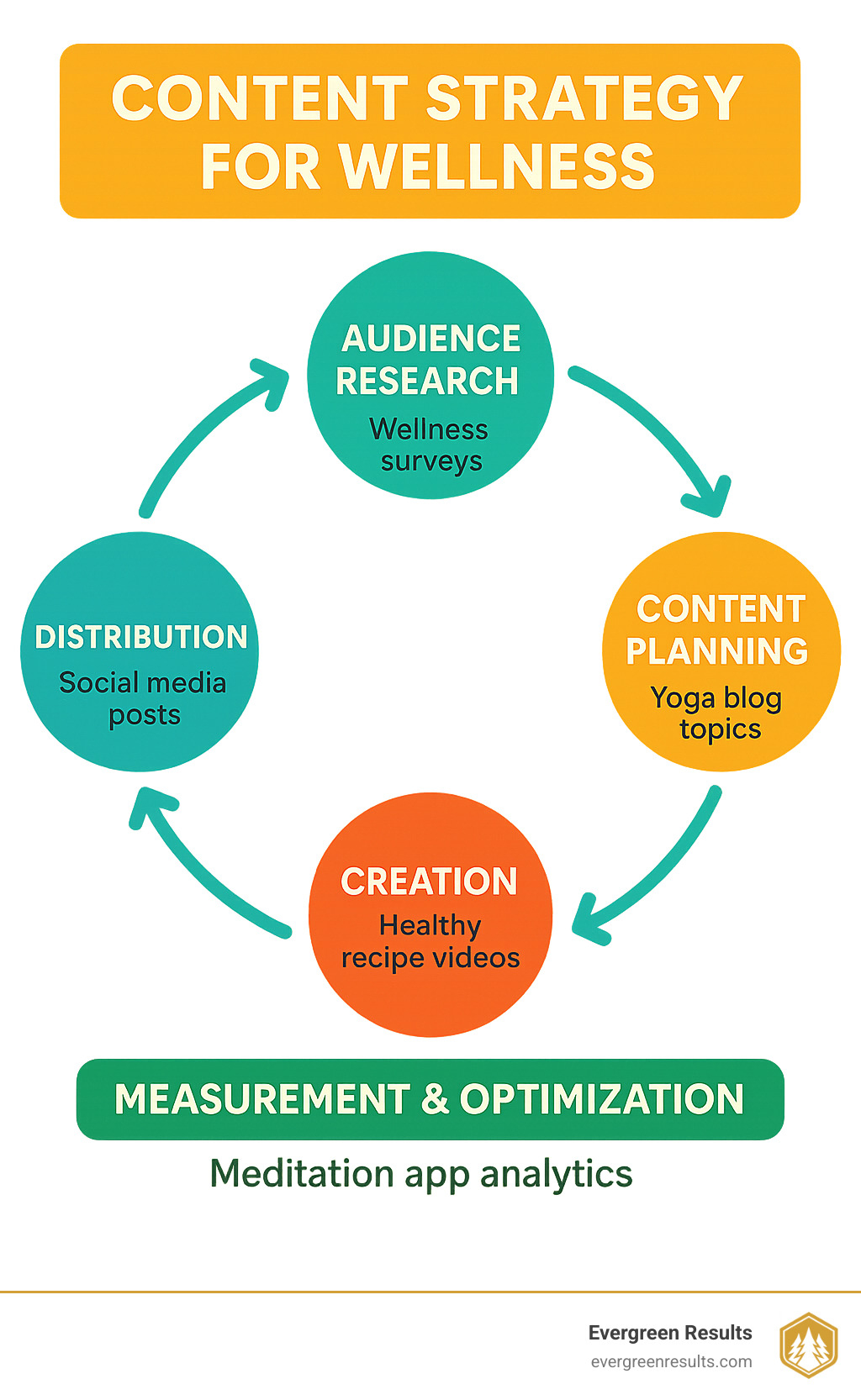
Related content about content strategy for wellness:
– food and beverage branding
– health and wellness SEO
– wellness marketing strategies
Why Your Wellness Brand Needs a Strategy, Not Just Content

Ever set out on a hike without a map or compass? You might enjoy some beautiful views along the way, but chances are you’ll wander in circles rather than reach that breathtaking summit. The same principle applies to your wellness content.
Creating content without strategy is more than just inefficient—for wellness brands, it can actively undermine the trust you’re working so hard to build. In an industry where credibility is currency, random posting is a luxury you simply can’t afford.
Today’s wellness consumers are taking charge of their health journeys. Nearly 9 in 10 people believe that managing their own wellness is the best path to staying healthy. This empowered mindset means your audience is actively searching for reliable guides they can trust with their wellbeing decisions.
Without a cohesive content strategy for wellness, you risk sending mixed messages that confuse rather than clarify. Meanwhile, your more strategic competitors are building meaningful connections with the audience you want to reach.
The numbers back this up too. About 60% of marketers report that inbound sources like content marketing and SEO deliver their highest-quality leads. But this only happens when your content thoughtfully aligns with both your business objectives and your audience’s deepest needs.
The High Cost of Random Posting
When I work with wellness brands, I often see the same painful patterns that come from inconsistent content creation:
Brand drift happens almost immediately. Your audience starts wondering what you actually stand for when your messaging zigzags without clear direction. In the wellness space, where values often drive purchasing decisions, this confusion can be deadly to growth.
Your marketing budget suffers too. Without clear objectives tied to your content, you can’t effectively measure what’s working, leading to resources being poured into efforts that look good but don’t actually drive business results. As one client told me: “We spent our first year creating beautiful content that got likes but didn’t drive any actual business.”
Perhaps most concerning is the diminished trust that comes from inconsistent messaging. The wellness industry faces particular scrutiny regarding claims and credibility—and rightfully so. Research shows that 81% of consumers need to trust a brand before they’ll consider purchasing. Without a strategy emphasizing research-backed content, you risk undermining the very foundation of your relationship with customers.
You’ll also miss key seasonal opportunities and fail to support product launches with appropriate content when you don’t have a content calendar tied to business objectives. Those moments can’t be recaptured once they’ve passed.
Proof That Strategy Builds Trust & Traffic
The evidence for strategic content is compelling and concrete:
More than 8 in 10 consumers consider a brand’s authenticity when deciding whether to support them. In wellness, where people are making deeply personal choices, this authenticity isn’t optional—it’s essential.
Over half of all website traffic comes from organic search, which strategic content directly supports. When your content strategy for wellness aligns with how people actually search for solutions to their problems, you become the answer they find.
The most successful companies have used detailed personas to map over 90% of their customer databases. This deep understanding allows them to create content that feels personally relevant rather than generic.
I’ve seen the change with our Denver-based clients in the active lifestyle and food/beverage industries. One supplement brand we worked with saw their organic traffic increase by 157% after implementing a structured content strategy focused on educational content addressing specific customer pain points.
The improvements typically appear across multiple fronts: higher search rankings, increased time on page, more social sharing, better conversion rates, and stronger brand perception. These aren’t vanity metrics—they’re indicators of real connection with the people you want to serve.
When your wellness brand commits to strategy over random posting, you’re not just organizing content—you’re creating a cohesive experience that builds the trust necessary for lasting relationships with your community.
Content Strategy for Wellness: Step-by-Step Framework

Let’s face it—creating content without a plan is like grocery shopping when you’re hungry. You might grab some interesting items, but you probably won’t end up with everything you need for a balanced meal. That’s why I’m excited to share our proven framework for content strategy for wellness that breaks down this potentially overwhelming process into bite-sized, manageable steps.
Define Your Audience Personas for Wellness
Think of personas as your content’s North Star. They guide every decision and help ensure you’re speaking directly to real people with real needs—not just shouting into the void.
In the wellness space, this step is particularly crucial because health journeys are deeply personal. Someone seeking stress management solutions has very different needs than someone focused on athletic performance.
Start by crafting 2-3 detailed personas. For most of our wellness clients, we typically identify personas like The Wellness Enthusiast (already invested in health practices but constantly seeking optimization), The Mindful Millennial (values balance and researches thoroughly before purchasing), and The Health Transformer (addressing specific challenges like weight management or chronic conditions).
For each persona, dig into not just basic demographics but also their emotional drivers. What keeps them up at night? What do they dream about achieving? Where do they currently get their wellness information? This level of detail might seem excessive, but it pays dividends—our clients who develop detailed personas report much stronger audience connections and engagement.
“When we finally took the time to really understand who we were talking to, our content started resonating in ways we never expected,” one of our supplement brand clients told me after seeing their engagement rates double within three months.
Map Goals & KPIs to the Buyer Journey
Every piece of content should serve a specific purpose along your customer’s path. Rather than creating content for content’s sake, think about what your audience needs at each stage of their journey:
At the Awareness Stage, your content should educate and identify problems. Your KPIs here might include website traffic, social reach, and SEO rankings. Think educational blog posts like “10 Signs You Might Have a Vitamin D Deficiency” that help people recognize a need they might not have fully articulated yet.
Moving into the Consideration Stage, focus on positioning your approach as the ideal solution. Track email sign-ups, content downloads, and time on site. Content like “Plant-Based vs. Animal Protein: Which is Right for Your Fitness Goals?” helps your audience evaluate options.
Finally, at the Decision Stage, you’re converting interest into action with testimonials, detailed product information, and special offers. Watch your conversion rates, sales, and consultation bookings carefully here.
By establishing SMART metrics for each stage, you’ll know exactly whether your content is performing its intended function. Curious about tracking these metrics effectively? Our guide on Measuring the Success of Your Digital Marketing dives deeper into this topic.
Build a Living Editorial Calendar (keyword: content strategy for wellness)
Your editorial calendar is where strategy becomes reality—the bridge between big ideas and daily execution. Think of it as the meal prep of content strategy for wellness—doing the planning work upfront makes everything run more smoothly later.
When building your calendar, focus on quality over quantity. I’ve seen too many wellness brands burn out trying to publish daily content when their audience would be better served by 1-2 thoughtful, well-researched pieces each week. In the wellness space, credibility is everything—rushing content can undermine trust.
Create a balance between what we call “sticky” content (non-negotiable pieces tied to product launches, seasonal campaigns, or key business initiatives) and “fluid” content that allows you to respond to trending topics or new research in your field. This flexibility keeps your strategy fresh while ensuring you hit your business objectives.
Monthly themes can provide helpful structure—perhaps focusing on immunity in fall, mental wellness in January, or outdoor fitness in spring. These themes create a cohesive narrative that your audience can follow while making your planning process more manageable.
Need inspiration? Consider seasonal wellness guides, expert interviews with healthcare professionals, client success stories, research breakdowns, how-to tutorials, myth-busting articles, product spotlights with scientific backing, day-in-the-life content, community challenges, and FAQ content addressing common questions.
“Our content felt scattered until we implemented a proper calendar,” shared one of our natural foods clients. “Now our team is aligned, our message is consistent, and our audience knows what to expect from us.”
For more detailed guidance on creating an effective editorial calendar, check out this helpful resource on editorial calendar tips.
Your calendar should be a living document—revisit it regularly, assess what’s working, and don’t be afraid to pivot when necessary. The best content strategy for wellness evolves alongside your business and your audience’s needs.
Choosing Formats & Channels That Move Your Audience
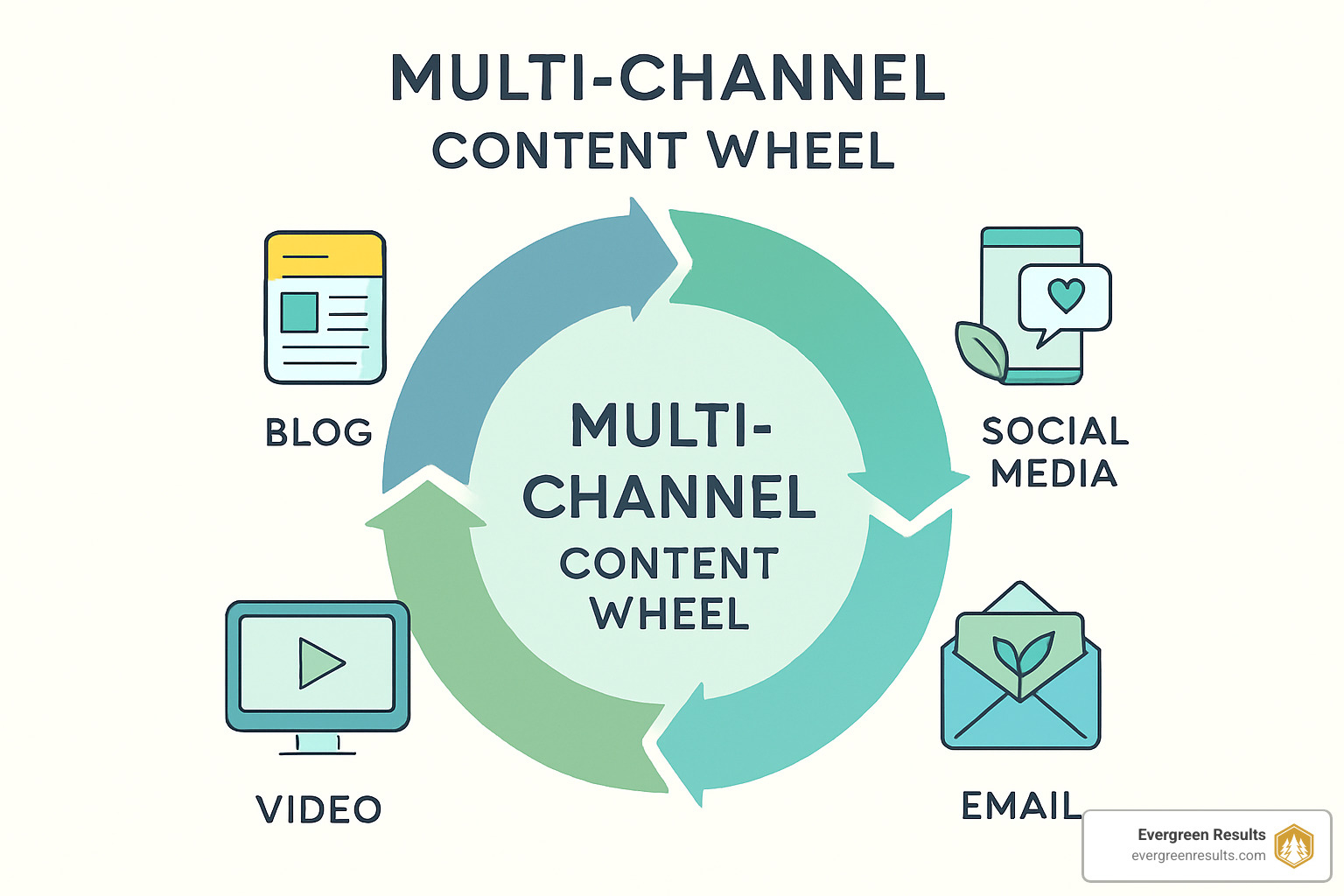
Now that you know who you’re talking to and what you want to say, let’s tackle the “how” and “where” of your message delivery. Think of this as choosing the right vehicle for your journey—some destinations call for a nimble bike, others for a sturdy SUV.
Match Content Types to Journey Stages
Your wellness audience absorbs information differently depending on where they are in their journey with you. The magic happens when you match the right format to the right moment.
At the awareness stage, people are just finding they have a problem or interest. This is where educational blog posts shine—they help people put names to their experiences. Short, eye-catching social videos can stop the scroll and introduce complex wellness concepts in bite-sized pieces. I’ve seen simple infographics explaining gut health fundamentals get shared hundreds of times when they make complicated science approachable.
Moving into the consideration stage, your audience is weighing options. This is the perfect time for deeper dives like comparison articles that help them understand different approaches. Case studies showing real people’s wellness changes become incredibly powerful here—we’re wired to connect with stories. One client of ours saw engagement triple when they started sharing before-and-after journeys rather than just product information.
By the decision stage, potential customers need that final nudge. Customer testimonial videos work wonders here because they provide social proof (that “if it worked for them, maybe it’ll work for me” feeling). Product demonstrations that show exactly how something works can dissolve lingering hesitations.
Research backs this approach up—after watching a product video, consumers are up to 85% more likely to make a purchase. That said, the best wellness brands use a thoughtful mix of formats that speak to different learning styles. Some people need to see it, others need to read it, and many need both.
Distribution Blueprint: Blog, Social, Email & Beyond
Creating amazing content is only half the equation. Without strategic distribution, even the most brilliant wellness article might sit unread—like a love letter never mailed.
Your website should serve as home base for your content strategy for wellness. Unlike social platforms where algorithms change overnight, your website is land you own. Every piece of quality content becomes a permanent asset working for you 24/7, drawing in search traffic and building credibility. Plus, you control the entire experience, from the information presented to the next steps visitors can take.
Social platforms each play distinct roles in your distribution strategy. Instagram excels at showing the human side of your wellness brand through Stories and creating quick “aha moments” via Reels. YouTube shines for longer educational content—like that 15-minute yoga sequence or in-depth interview with a nutrition expert. Facebook might seem less trendy, but its groups feature remains best for building supportive wellness communities around specific interests.
Don’t overlook the quiet powerhouse of wellness marketing: email. Unlike social media where you’re competing with countless distractions, email creates a direct conversation. One wellness client saw remarkable results by segmenting their list based on specific interests—sending sleep tips only to their “better sleep” subscribers and meditation guidance to their “stress management” group. This targeted approach tripled their open rates.
For emerging channels, consider how SMS marketing might deliver timely wellness prompts (“It’s 3pm—time for your hydration reminder!”) or how podcast guest appearances can introduce you to established wellness communities. The key isn’t being everywhere—it’s being precisely where your specific audience already spends their time.
Looking to level up your email approach? Check out our guide on Creating an Engaging Email Campaign for practical steps to nurture your wellness community.
SEO, Credibility & Accessibility for Wellness Content
In the wellness world, your content needs to do more than just look pretty – it needs to be findable, trustworthy, and accessible to everyone. These three pillars form the foundation of an effective content strategy for wellness that actually delivers results.
Back Every Claim with Science & E-E-A-T Principles
Let’s face it – the wellness industry has earned some side-eye over the years due to exaggerated claims and pseudoscience. That’s why Google holds health and wellness content to higher standards through their E-E-A-T guidelines (Experience, Expertise, Authoritativeness, and Trustworthiness).
Your wellness content needs to demonstrate real credibility, not just claim it. This means linking to peer-reviewed studies and respected health organizations whenever you make a claim. PubMed alone published over 95,000 wellness-related studies last year – there’s no shortage of solid research to support your content!
When citing research, don’t just drop links and call it a day. Take a moment to explain why the study matters, how many people participated, and any limitations. This shows readers (and search engines) that you truly understand the science, not just cherry-picking headlines.
Be transparent about who’s creating your content, too. Feature author credentials prominently, especially if they have relevant qualifications. And remember that wellness research evolves constantly – make it a habit to review and update older content with fresh findings at least quarterly.
One of the most overlooked aspects of building trust? Acknowledging limitations. Phrases like “consult your healthcare provider before starting any new program” aren’t just legal protection – they show you genuinely care about reader wellbeing over making a quick sale.
Optimize for Search Without Losing Heart (keyword: content strategy for wellness)
SEO doesn’t have to mean robotic, keyword-stuffed content. The most successful wellness brands find the sweet spot between search optimization and authentic voice.
Start by understanding what your audience is actually searching for. This includes problem-based queries (“how to reduce inflammation naturally”), solution-focused searches (“best supplements for joint pain”), and basic informational questions (“what is intermittent fasting”).
The secret to natural-sounding SEO? Focus on search intent, not just keyword volume. A page that truly answers the question behind the search will outperform one that’s just crammed with keywords. When you understand exactly what someone hopes to learn when they type a query, you can create content that genuinely helps them.
Include your target keywords in strategic places like titles, headings, and meta descriptions, but always prioritize readability. If a sentence sounds awkward with a keyword forced in, rewrite it. Google’s algorithms are sophisticated enough to understand semantic relationships – they know “natural anxiety remedies” and “herbal solutions for stress” are related concepts.
Over half of all website traffic comes from organic search. A thoughtful approach to SEO within your content strategy for wellness directly impacts how many people will find your brand when they’re actively looking for solutions.
Make Wellness Content Accessible & Inclusive
Wellness shouldn’t be exclusive to any particular group – and neither should your content. Creating truly accessible content starts with technical considerations like proper heading structure, descriptive alt text for images, and sufficient color contrast for readability.
But accessibility goes beyond technical requirements. Inclusive language matters tremendously in wellness content. Avoid assumptions about body size, ability, gender, or cultural background. When discussing nutrition, acknowledge that food choices are influenced by cultural traditions, religious practices, and economic realities.
Visual representation is equally important. The images you choose should reflect diverse body types, ages, ethnicities, and abilities. When people see themselves represented in your content, they’re more likely to feel that your wellness solutions are meant for them too.
Plain language makes your content accessible to more readers without talking down to anyone. Instead of industry jargon like “myofascial release technique,” you might say “a method of massaging muscle tissue to release tension” – and then introduce the technical term.
Consider offering content in multiple formats when possible. Some people absorb information better through video, while others prefer reading. Providing options shows you understand and respect different learning preferences.
By making these accessibility and inclusion efforts part of your content strategy for wellness, you’re not just expanding your potential audience – you’re demonstrating your brand’s commitment to making wellness truly available to everyone.
Measure, Repurpose & Scale Your Wellness Content
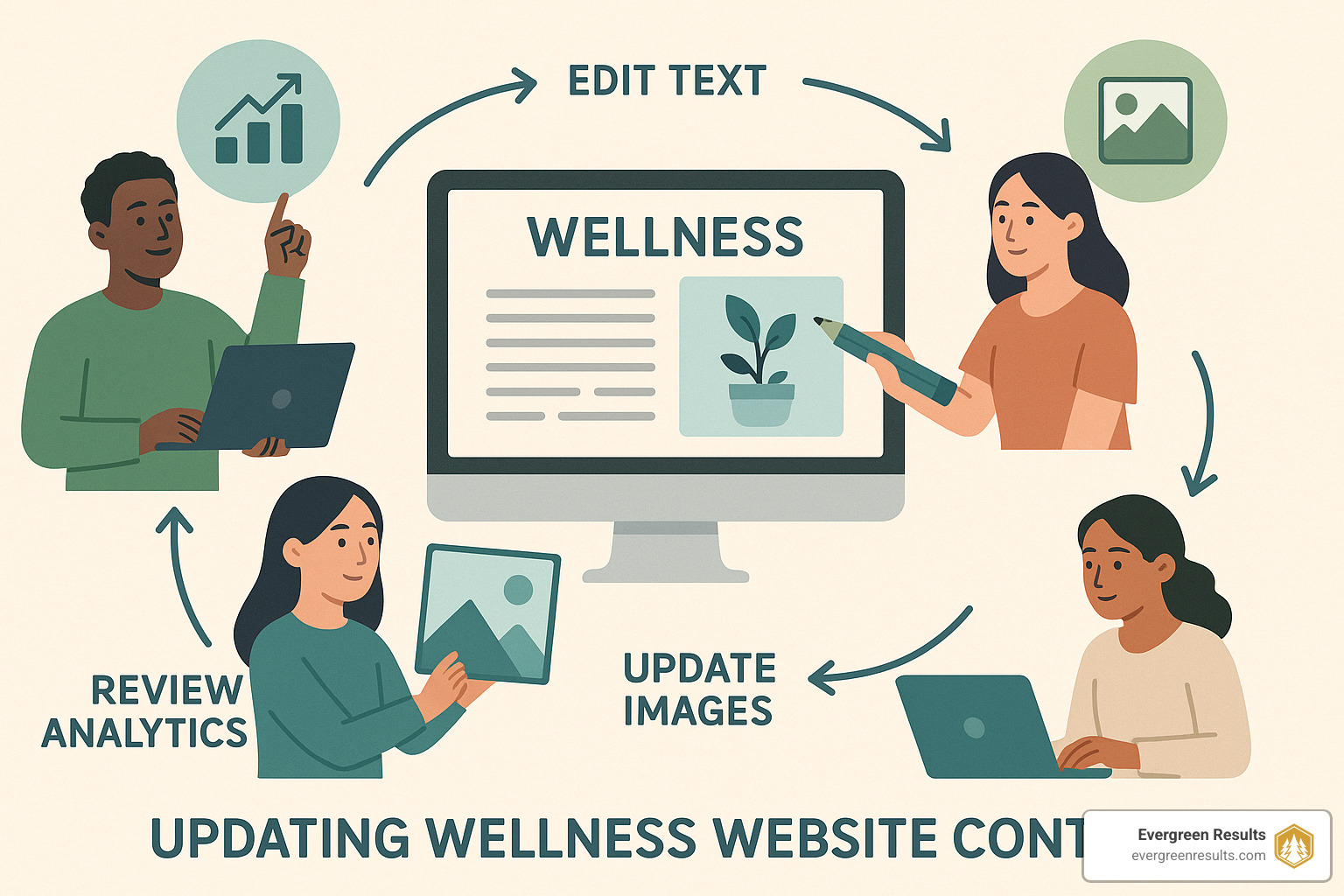
You’ve created amazing wellness content—now what? The magic happens when you measure its impact, breathe new life into existing pieces, and multiply your reach without multiplying your effort. Think of your content as a garden that needs tending, not just planting.
KPIs That Matter & How to Track Them
Not all numbers tell a meaningful story. When evaluating your content strategy for wellness, focus on metrics that actually move the needle for your business.
At the awareness stage, track how people are finding you. Organic traffic growth shows your content is gaining visibility, while improving SEO rankings indicate you’re becoming more relevant for important search terms. Social reach metrics and brand mentions paint a picture of your expanding footprint in the wellness space.
Engagement metrics reveal whether your content resonates once people find it. When someone spends four minutes reading your article instead of the typical 37 seconds, that’s a win! Look at time on page, how many other pages they visit, and how they interact with your content through comments, shares, and saves. Email engagement rates and video completion percentages offer similar insights about connection quality.
“We thought our nutrition guide was underperforming until we noticed people were spending an average of 8 minutes with it—they were actually reading every word,” shared one of our wellness clients.
Conversion metrics bridge the gap between interest and action. Monitor how many visitors download your lead magnets, join your email list, book consultations, or make purchases. Calculate your customer acquisition cost to ensure your content investment delivers returns.
The ultimate measure of success? Business impact metrics like customer lifetime value, content ROI, retention rates, and improved brand perception. These numbers tell the complete story of how your content shapes your business future.
For most wellness brands, we’ve noticed engagement metrics often predict conversion metrics by 2-3 months—making them valuable early indicators of future business success.
Refresh, Consolidate & Repurpose for 10X Reach
The most efficient content isn’t always new content. One of the most overlooked aspects of a solid content strategy for wellness is making your existing content work harder.
Conduct quarterly content audits to identify hidden opportunities. Look for high-traffic pages that could perform even better with updates, content containing outdated research that needs refreshing, underperforming pieces with untapped potential, and gaps in your content ecosystem.
When refreshing content, don’t just make cosmetic changes. Update statistics, incorporate new research findings, improve visuals, and strengthen SEO elements. This approach often doubles traffic to existing content with half the effort of creating something new.
“We updated a two-year-old post about inflammation with new research and better visuals, and within a month, it became our top-performing page—beating content we’d spent weeks creating from scratch,” one wellness brand owner told us.
Want to master this approach? Check out this guide on how to Refresh your content.
Content repurposing is another game-changer. That comprehensive guide on mindful eating? Transform it into an Instagram carousel, extract quotes for Twitter, record a video summary for YouTube, discuss it on your podcast, and include it in your “Mindfulness Starter Kit” download. One piece of cornerstone content can fuel your channels for weeks.
A Denver-based client of ours turned a single in-depth guide on nutrition for trail runners into over 20 pieces of content across various channels. The result? A stunning 380% increase in engagement compared to their previous approach.
Leverage Influencers, Communities & Partnerships
Your content reaches its full potential when others help spread the word. Strategic partnerships should be a cornerstone of your content strategy for wellness.
Influencer collaborations work particularly well in the wellness space, where trust is everything. Over 70% of social media users say content creators influence what they buy. For wellness brands, micro-influencers (those with 1,000-100,000 followers) often deliver better engagement and conversion than celebrity endorsements.
The most effective influencer partnerships go beyond sponsored posts. Co-create educational content that serves both audiences. Invite experts to demonstrate your products in authentic ways. Feature day-in-the-life content showing your offerings integrated into real wellness routines. Let trusted voices take over your social channels occasionally to bring fresh perspectives.
Community building turns casual readers into brand advocates. Create branded hashtags that encourage sharing of user-generated content. Feature customer change stories that inspire others. Host virtual or local wellness events that bring your content to life. Develop challenges that motivate participation—like a 7-day meditation challenge or plant-based recipe contest.
Strategic brand partnerships extend your reach while adding credibility through association. Identify complementary wellness brands (non-competitors) and explore ways to collaborate. Co-produce webinars that educate your shared audience. Cross-promote through email newsletters. Develop joint resources that serve both communities.
These collaborative approaches don’t just expand your audience—they deepen connections with the audience you already have, creating a virtuous cycle of growth and engagement for your wellness brand.
Frequently Asked Questions about Content Strategy for Wellness
What’s the first step to creating a content strategy for wellness?
Before diving into content creation, you need to stake your claim in the wellness landscape. The wellness industry is incredibly diverse—from meditation to marathons, green smoothies to gut health. Trying to be everything to everyone will only dilute your brand’s voice and expertise.
Start your journey by defining what makes your wellness brand special. What’s your unique perspective? Where does your true expertise lie? This clarity becomes your north star for all content decisions moving forward.
From there, dig into what your audience actually cares about. Use tools like BuzzSumo or Google Trends to identify hot topics within your niche. Take a peek at what competitors are doing—not to copy them, but to spot gaps you can fill with your unique approach.
Most importantly, create detailed personas of your ideal customers. What keeps them up at night? What wellness goals do they dream about? Understanding these emotional drivers helps you create content that truly resonates rather than just adding to the noise.
This foundational work might not feel as exciting as jumping straight into content creation, but it’s the difference between randomly posting wellness tips and building a strategic path to genuine connection and growth.
How often should a wellness brand publish new content?
When it comes to wellness content, quality and consistency will always trump sheer volume. Your audience would rather read one deeply researched, genuinely helpful article than five rushed, surface-level posts.
For most wellness brands we work with, this rhythm tends to work well:
– Blog content: 1-2 thoughtfully crafted posts weekly
– Social media: Daily engagement with 3-5 planned posts weekly
– Email newsletters: Weekly or bi-weekly check-ins with your community
– Video content: 2-4 videos monthly that truly add value
That said, these aren’t rigid rules. The right publishing schedule depends on your team’s capacity and your commitment to quality. If you’re a small team, focus on creating what we call “cornerstone content”—those comprehensive, authoritative pieces that establish your expertise on core topics. Then supplement with lighter content that’s quicker to produce.
Consistency builds trust. It’s better to consistently publish one amazing piece weekly than to post daily for a month and then disappear for three months when you burn out.
Which metrics prove a content strategy for wellness is working?
A successful content strategy for wellness should show positive movement across metrics that align with your specific business goals—not just vanity metrics that look good in reports but don’t impact your bottom line.
If your goal is building brand awareness, watch for:
– Organic traffic growth (aim for steady 10-15% quarterly increases)
– Growing social engagement (especially saves and shares, which indicate value)
– Expanded share of voice compared to others in your wellness niche
– Steady growth in newsletter subscribers who actually open your emails
For building authority in the wellness space, pay attention to:
– Quality backlinks from respected health and wellness publications
– Media mentions that position you as an expert
– Extended time on page for your educational content (3+ minutes suggests people are actually reading)
– Content being shared and bookmarked for future reference
And if conversion is your focus, track:
– How many people download your wellness guides or resources
– Email click-through rates when you share offers
– Consultation bookings that come directly from content
– Both direct and assisted conversions attributed to your content efforts
Perhaps the most telling metric is what happens to your customer acquisition cost (CAC) over time. As your content strategy for wellness builds momentum, you should see CAC decrease while customer lifetime value increases—the holy grail of sustainable business growth.
At Evergreen Results, we’ve seen how these metrics tell the story of content that’s not just performing well, but actually driving business results for our active lifestyle and food/beverage clients in Denver and beyond.
Conclusion
Creating an effective content strategy for wellness isn’t about churning out more content—it’s about publishing with genuine purpose and intention. The framework we’ve outlined provides a roadmap to develop content that truly resonates with your audience while delivering the business results you need.
As you build your wellness content strategy, keep these essential principles at the heart of your approach:
First, always begin with strategy before tactics. Define your specific wellness niche, develop a deep understanding of your audience’s needs, and establish clear objectives before creating a single piece of content. This foundation ensures everything you publish serves a purpose.
Second, build unshakable trust through credibility. In the wellness space, this means backing your claims with solid science, adhering to E-E-A-T principles, and prioritizing accuracy over clickbait headlines. Your audience can spot the difference between genuine expertise and marketing fluff from miles away.
Third, create thoughtful content for every stage of your customer’s journey. From awareness through consideration to decision, each phase requires different approaches and formats to effectively support your audience where they are right now.
Fourth, measure what truly matters to your business. Track metrics aligned with your actual goals, not vanity metrics, and continuously refine your approach based on what the data tells you.
Finally, maximize your content ROI through strategic refreshing, creative repurposing, and collaborative partnerships. These approaches extend the life and reach of your content investments, creating compounding returns over time.
At Evergreen Results, we’re passionate about helping active lifestyle and food/beverage brands develop content strategies that drive sustainable growth. Our team brings both marketing expertise and genuine enthusiasm for wellness to every partnership we form.
Your wellness brand has valuable knowledge and insights to share—a strategic approach ensures that wisdom reaches and positively impacts the people who need it most.
Ready to lift your content strategy for wellness? Learn more about our Health and Wellness Marketing Strategies or reach out to discuss how we can support your brand’s growth through thoughtful, strategic content that truly connects.