
Why Email Marketing Still Reigns Supreme
Email marketing examples showcase effective ways to connect with customers in their inbox. The most successful campaigns often include:
- Welcome emails – Introduce your brand and offer first-time buyer discounts.
- Product education emails – Show customers how to use your products effectively.
- Promotional emails – Drive sales with limited-time offers and seasonal campaigns.
- Newsletter emails – Build community with valuable content and brand stories.
- Automated emails – Recover abandoned carts and re-engage inactive subscribers.
Despite the rise of other digital channels, email remains the most reliable way to reach your customers. More than 80% of Americans check their inbox daily. Unlike social platforms where algorithms control reach, email gives you direct access to people who want to hear from you.
The numbers prove it: the top 10% of email campaigns convert 5x more subscribers and drive 9x more revenue. This massive difference comes down to understanding what works: compelling subject lines, personalized content, mobile-friendly design, and clear calls-to-action.
Whether you’re launching a new product or building brand loyalty, email marketing offers unparalleled control over your customer relationships. Your email list is an asset you own, not “rented land” on platforms that can change their rules overnight.
I’m Adam Bocik, founder of Evergreen Results. Over the past decade, I’ve helped dozens of active lifestyle brands scale their growth. By analyzing thousands of email marketing examples, I’ve identified the patterns that separate high-performing emails from inbox clutter.
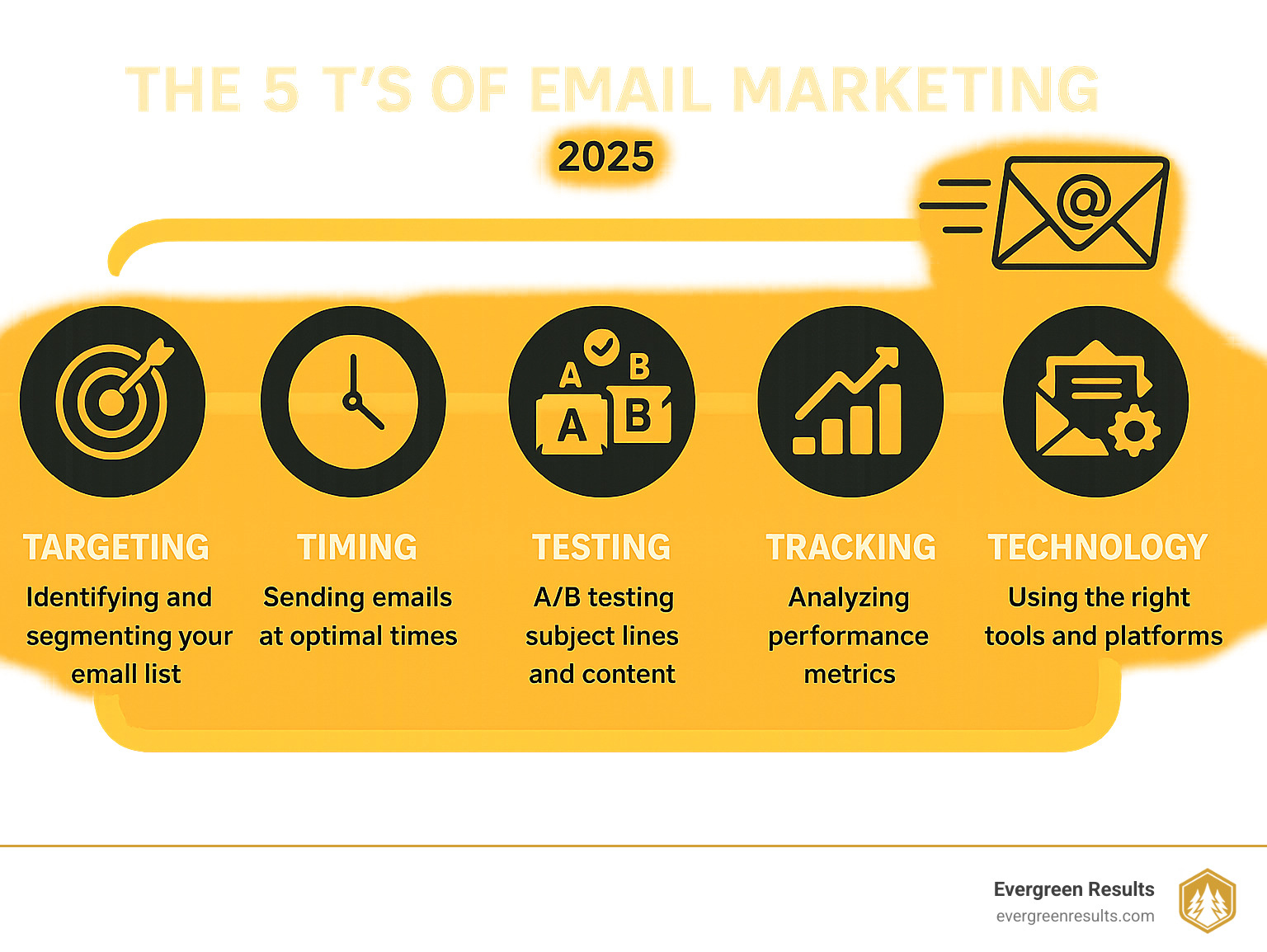
Email marketing examples definitions:
Top Email Marketing Examples to Inspire Your Next Campaign
Ready to see email marketing in action? Let’s explore some of the most inspiring email marketing examples out there. These are smart strategies that build connections, foster loyalty, and drive sales. Think of them as your playbook for email success.
Welcome & Onboarding Email Marketing Examples: Making a Great First Impression
Your welcome email is a critical first impression, like rolling out a red carpet for new subscribers. It’s your chance to say “hello,” set the right tone, and build instant trust.
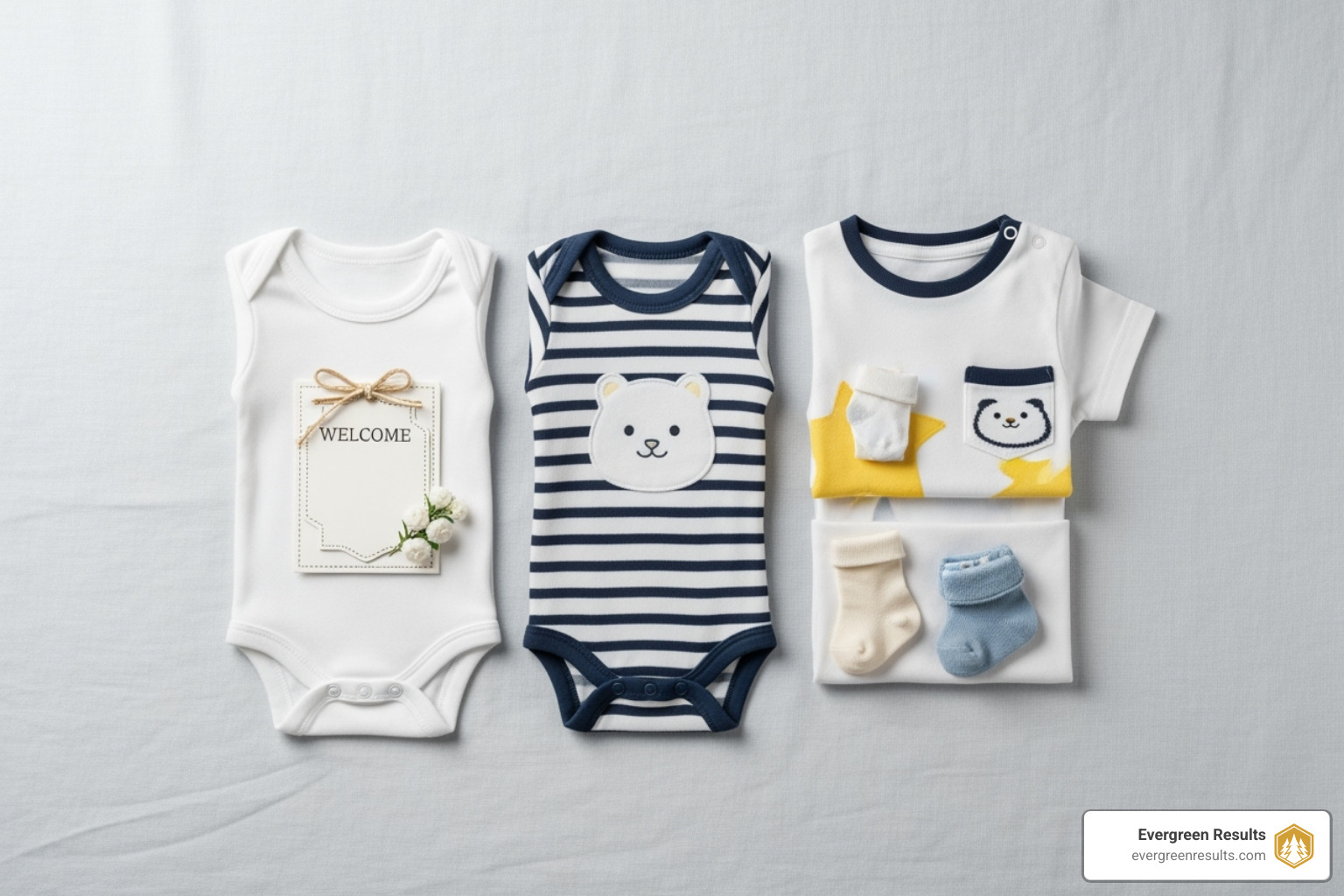
A great welcome email goes beyond “thanks for signing up.” It highlights what makes your brand special. For example, a children’s apparel brand could introduce its founder and their passion for sustainable materials, humanizing the brand and forging a connection. We help our active lifestyle and food/beverage clients craft minimalist welcome series that communicate their brand philosophy through clean design and thoughtful storytelling.
Here’s a pro tip: try numbering each email in your welcome series. It’s a simple trick that sets clear expectations for subscribers. Welcome emails are also prime real estate for encouraging a first purchase with a discount or free shipping. The goal is to introduce your brand, showcase products, and drive initial engagement. Hyper-segmenting your audience from the start leads to more personal, relevant, and engaging emails, boosting your return on investment.
More info about creating an engaging campaign.
Product Education & Storytelling Emails: Showing Your Value
Once you’ve welcomed subscribers, it’s time to show them the value of your products. Product education and storytelling emails empower customers to get the most from what you offer, building a deeper appreciation for your brand.

For a specialty food brand, this could mean sharing fun product use cases—like 9 ways to use a unique spice blend, complete with recipes. This helps customers envision the product in their lives. For items that require instructions, post-purchase tutorials can dramatically improve the customer experience and boost retention.
Storytelling is another superpower. We encourage clients to share the “why” behind their products. Was there a unique origin for your coffee beans? Did a challenging trip inspire your gear? These narratives create genuine connections and build brand loyalty. Expert endorsements or step-by-step breakdowns can help customers see themselves using your products.
Sharing customer success stories with real photos and quotes provides powerful social proof. Newsletters are fantastic for blending product education with lifestyle content, following the 80/20 rule: 80% value, 20% promotion. By consistently providing helpful content, you become a trusted resource, not just a seller.
More info about personalization in email campaigns.
Promotional & Sales Email Marketing Examples: Driving Conversions with Finesse
When it’s time to drive sales, promotional emails are your direct line to revenue. Effective promotions use psychological triggers like urgency, scarcity, and the fear of missing out (FOMO) to encourage action while staying true to your brand voice.

Consider a coffee company’s flash sale that gamifies the offer with “random refunds.” This creates excitement and drives rapid sales. Urgency can also be created with time-sensitive subject lines for new product launches. Scarcity is another powerful motivator. A back-in-stock email hinting at limited quantities can activate FOMO and prompt quick purchases, which is especially effective for unique or artisanal products.
Layering conversion tactics is also effective. A seasonal offer might include customer reviews, product benefits, a promo code, and a free gift to incentivize a purchase. Timing is critical. While studies suggest mid-week times can be optimal, the best time depends on your audience. A sports nutrition brand might see higher engagement around morning workout times. We help clients find these nuances to ensure promotions land at the most impactful moments.
Nurture & Community Building Emails: Creating Brand Fans
Email marketing is an unparalleled tool for building lasting relationships and a strong brand community. Nurture emails focus on long-term engagement, turning subscribers into loyal advocates.
Newsletters are the backbone of this effort. They keep your audience informed but also provide value, following the 80/20 rule (80% value, 20% promotion). An active lifestyle brand could share inspiring athlete stories or training tips. A food/beverage brand might offer seasonal recipes or sourcing stories. By consistently providing interesting material, you build trust that translates into sales.
A powerful way to build community is by showcasing your brand’s values. An email sharing your annual impact report can resonate with eco-conscious customers by highlighting sustainability efforts. This transparency strengthens brand affinity. Social proof also plays a vital role. Featuring authentic customer testimonials and user-generated content reinforces your brand’s authenticity and makes its values tangible. These emails are about consistently showing up for your customers with content that enriches their lives.
More info about newsletter best practices for outdoor brands.
Automated & Triggered Emails: Winning on Autopilot
The beauty of email marketing shines with automation. These emails are sent based on a subscriber’s actions, ensuring timely, relevant communication without manual effort. They work in the background to recover lost sales and improve the customer experience.
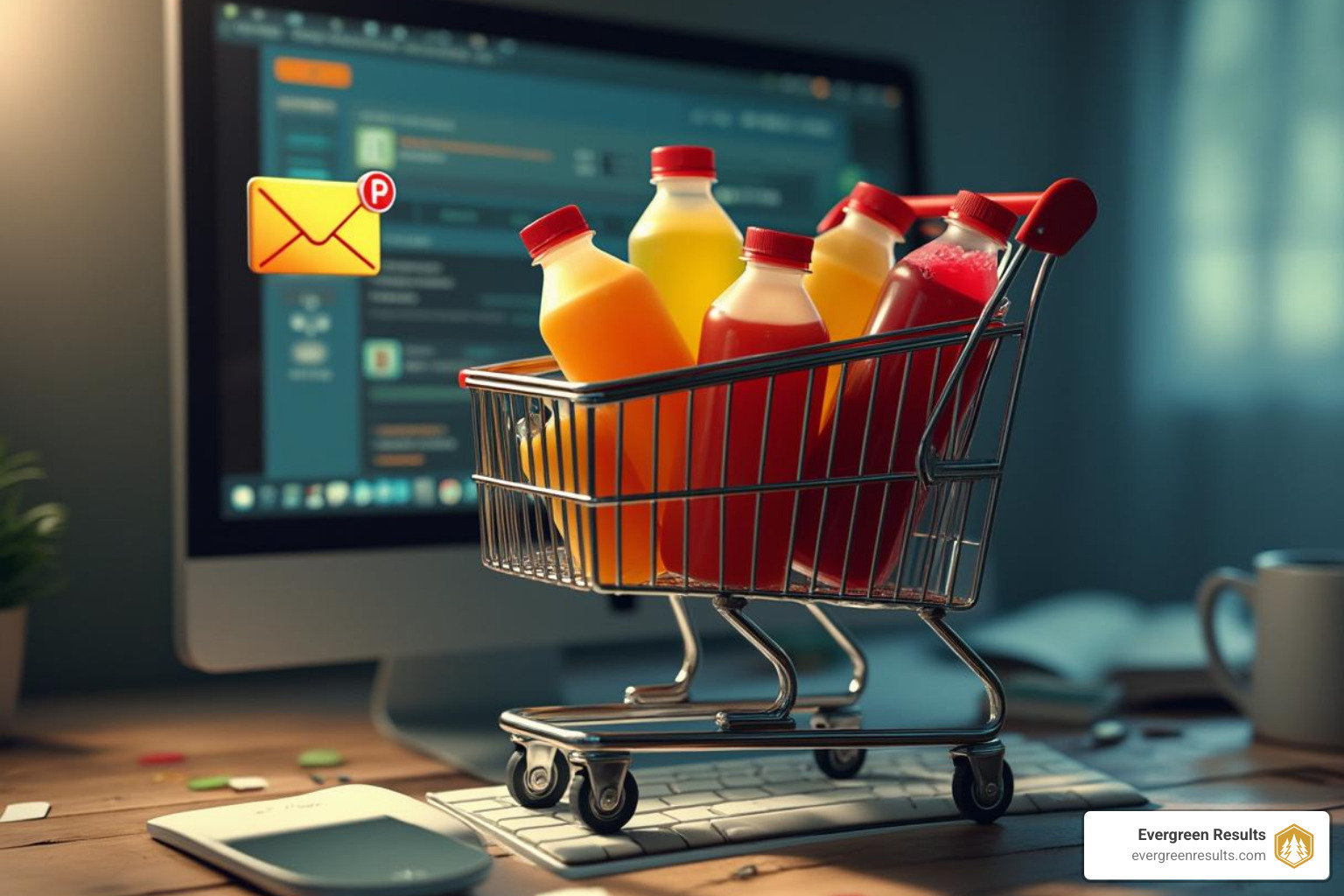
One of the most effective automated email marketing examples is the abandoned cart sequence. A well-crafted email can gently remind a customer of their forgotten items, perhaps with recommendations or social proof to encourage them to complete the purchase.
Back-in-stock alerts are another critical automated email. They notify high-intent subscribers the moment a popular product is available again, driving immediate sales. This is especially important for seasonal gear or limited-edition drops.
Post-purchase follow-ups are essential for building loyalty. These can range from order confirmations to product care tips or a personal thank-you note from the founder, which humanizes the brand. Finally, win-back emails are designed to re-engage inactive subscribers, often with a special offer. These are crucial for keeping your email list healthy and active.
More info about retaining customers.
How to Analyze and Optimize Your Email Campaigns
You’ve crafted some fantastic email marketing examples, but how do you know if they’re working? This is where you dive into the data and make your emails even better.
Key Metrics to Track for Success
To see what’s truly working, we keep a close eye on these key numbers:
- Open Rate: The percentage of recipients who opened your email. This indicates the effectiveness of your subject line and sender trust.
- Click-Through Rate (CTR): The percentage of openers who clicked a link. This shows how engaging your content and call-to-action (CTA) are.
- Conversion Rate: The percentage of recipients who completed your desired action, like making a purchase. This is a key metric for revenue.
- Unsubscribe Rate: The rate at which people opt out. Tracking this helps you gauge content relevance and sending frequency.
- List Growth Rate: How quickly your subscriber list is expanding. A healthy list is a growing one.
- Return on Investment (ROI): The total revenue generated from your email campaigns divided by the total cost. This measures profitability.
By monitoring these metrics, we gather insights to constantly fine-tune your strategy and create more successful email marketing examples down the road.
Simple Ways to Optimize Your Emails
Analyzing results is the first step; optimization is next. We use these simple yet powerful strategies to make your emails even better:
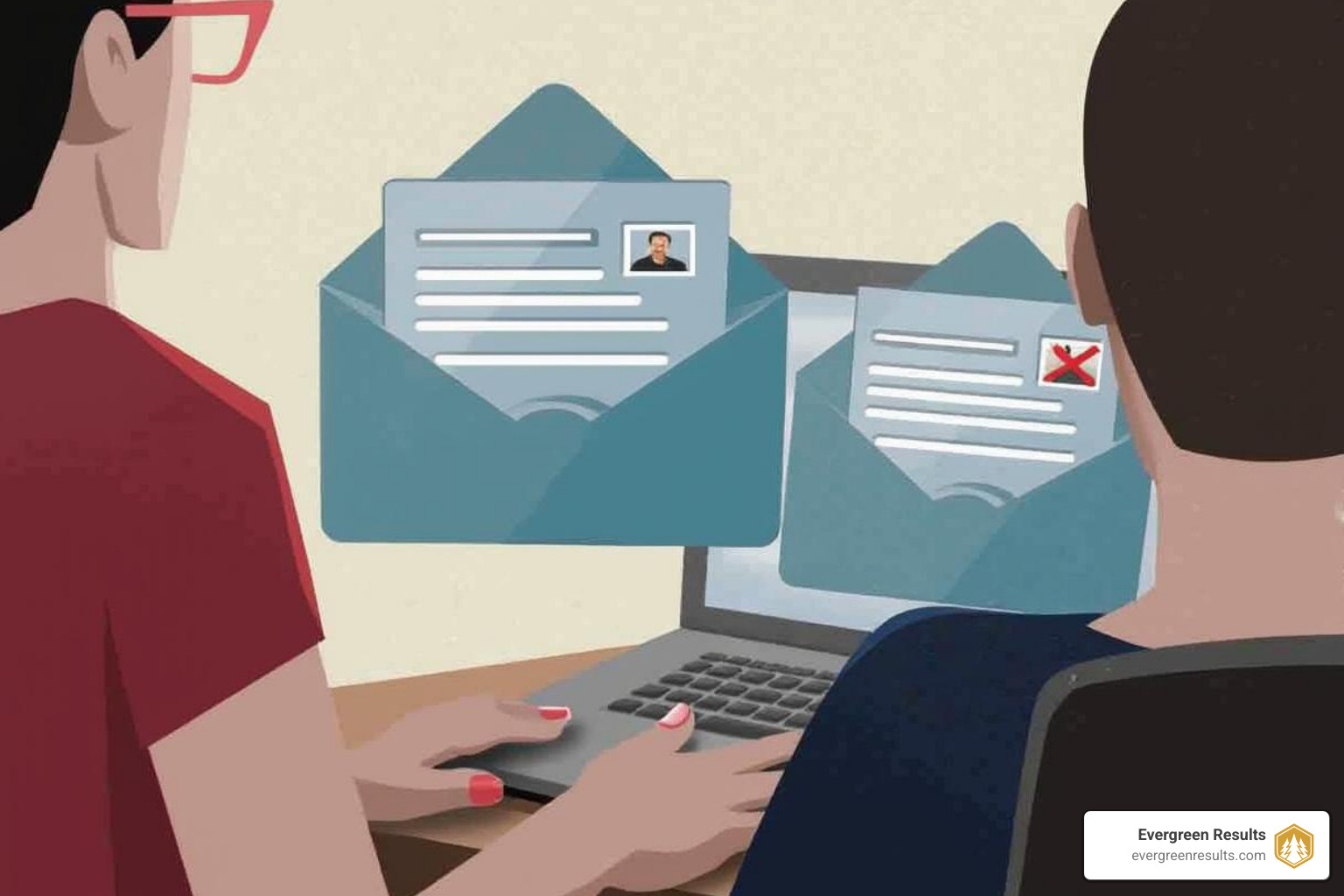
- A/B Testing: We test different subject lines, images, or CTAs on small segments of your audience. The winning version gets sent to the rest of your list, ensuring we use what truly clicks with your audience.
- Segmentation: We divide your email list into smaller groups based on purchase history, interests, or engagement. A personalized email sent to the right segment is far more effective than a generic blast.
- Personalization: Beyond using a first name, we can reference past purchases or suggest products based on browsing history. This makes your email feel like it was crafted just for them.
- Customer Feedback: Want to know what customers want? Ask them! We use quick surveys or encourage replies to gather direct input that is gold for refining your content and offers.
- Mobile Optimization: Most people check emails on their phones. We ensure your emails look fantastic and are easy to steer on any device, so your message always lands perfectly.
By consistently using these smart optimization techniques, your email campaigns will become powerful tools for building lasting, profitable relationships with your customers. You can find more info about email marketing services on our site.
Frequently Asked Questions about Email Marketing
It’s natural to have questions about email marketing. Here are some answers to the most common ones we hear, which are the first step toward crafting high-performing email marketing examples.
What are the main types of marketing emails?
A well-rounded email strategy uses a blend of message types, each with a unique purpose:
- Promotional Emails: These are your go-to for driving sales. They announce special offers, discounts, flash sales, or new product launches to get your audience excited to buy.
- Transactional Emails: These are automated customer service messages sent after a specific action, like order confirmations, shipping notifications, or password resets. They are essential for a smooth customer experience.
- Relationship-Building Emails: Less about selling, these emails foster a deeper connection with valuable content like helpful tips, brand stories, or behind-the-scenes looks. They build loyalty and keep your brand top-of-mind.
- Automated Emails: Set up once and triggered by subscriber behavior, these include welcome series, abandoned cart reminders, and re-engagement campaigns. They ensure timely, relevant communication.
- Newsletters: Your regular check-ins to keep your audience informed and engaged with company news, product updates, and curated content.
How do you segment an email list effectively?
Segmenting your list means sending the right message to the right person at the right time. It allows for true personalization, which boosts engagement. We help brands create meaningful segments using several criteria:
- Demographics: Use age, gender, or location to tailor offers.
- Purchase History: Knowing what customers bought allows for relevant upsell, cross-sell, or replenishment campaigns.
- Engagement Level: Identify your most passionate fans versus those who need a nudge to re-engage.
- Psychographics: Segment by lifestyle, values, or interests, such as hiking vs. cycling for an active lifestyle brand.
- Interests: Based on content they’ve clicked, pages they’ve visited, or stated preferences.
- Website Behavior: Target users based on pages visited, products viewed, or abandoned carts.
This makes every email feel like a personal conversation, not a mass broadcast.
What is the 80/20 rule in email marketing?
The 80/20 rule, or Pareto Principle, is a powerful guideline to avoid subscriber fatigue and build a loyal audience. Here’s how it works:
80% of your emails should provide value to your readers. This includes helpful information, entertaining content, educational resources, or engaging brand stories. For our active lifestyle clients, this might be a training guide; for food/beverage brands, a new recipe. The goal is to build trust and establish your brand as an authority.
The remaining 20% of your emails can be promotional, focusing on direct sales pitches, discount offers, and new product announcements.
By consistently providing value, you build a loyal audience that trusts you. When you do send a promotional email, they are far more receptive. This approach prevents sales fatigue, reduces unsubscribe rates, and leads to a stronger, more engaged brand community.
Conclusion: Turn Inspiration Into Action
We’ve explored a wide array of email marketing examples, from warm welcomes to smart automations, proving how powerful email can be for connecting with your audience and boosting your business. The key takeaways are clear:
- Personalization is paramount. Tailoring emails to your audience’s preferences and actions drives significantly higher engagement. It’s like having a one-on-one chat with every subscriber.
- Value reigns supreme. Consistently providing genuine value—whether through tips, stories, or insights—builds trust and loyalty.
- Creativity captures attention. In a crowded inbox, a clever subject line, stunning design, or unique promotion makes your brand memorable.
- Automation is your ally. Triggered emails communicate with customers at the perfect moment, optimizing the customer journey 24/7.
Here at Evergreen Results, we’re passionate about bringing these insights to life for active lifestyle and food/beverage brands. We understand your industry’s unique rhythms and believe your email list is one of your most valuable assets—an audience you own, not rent. We’re here to help you open up its full potential.
Don’t just admire these inspiring email marketing examples. Let them be the blueprint for your next success. It’s time to turn your email marketing into your most powerful engine for growth.
Ready to get started? We’re excited to help you build email campaigns that don’t just land in the inbox, but truly land with your audience.