
Why Wellness Influencer Marketing is Taking Over
Wellness influencer marketing is a strategy where brands partner with trusted voices in the health space to promote products to their engaged communities. This approach leverages authentic relationships to drive brand awareness, trust, and sales in a booming industry.
Key Facts About Wellness Influencer Marketing:
- Market Size: The global wellness economy reached $6.3 trillion in 2023.
- Consumer Trust: 69% of consumers trust product recommendations from influencers.
- Engagement: Wellness influencers often have higher credibility than other verticals.
- Target Demographics: Gen Z and Alpha consumers trust influencers over brands directly.
- Content Focus: Modern wellness content covers deep topics like mental wellness, gut health, and burnout.
As traditional advertising loses its grip, consumers are turning to trusted voices for guidance on everything from supplements to skincare. What makes wellness influencer marketing so powerful is authenticity. Unlike polished ads, influencers share real stories, struggles, and successes. They build communities around shared values, creating the trust needed to drive purchasing decisions in a skeptical market.
Younger demographics increasingly use platforms like Instagram and TikTok as search engines, amplifying the influence of wellness creators. They aren’t just promoting products; they’re shaping lifestyle choices and wellness trends.
I’m Adam Bocik, founder of Evergreen Results. For over a decade, I’ve helped active lifestyle brands scale with strategic digital marketing. My experience shows that the best wellness influencer marketing campaigns stem from authentic partnerships that align with brand values and serve the target community.
Wellness influencer marketing word list:
- health and wellness digital marketing
- marketing ideas for health and wellness
- content strategy for wellness
Why Wellness Influencers are a Marketing Superfood
In an ad-saturated world, wellness influencer marketing cuts through the noise by offering genuine human connection. When a trusted yoga instructor shares their morning routine, it feels like advice from a friend, not an advertisement. This authenticity is what builds the credibility needed to drive purchasing decisions.
What is wellness influencer marketing and why is it so effective?
Wellness influencer marketing unites brands with trusted voices who have built credibility in specific health communities. These partnerships work because they are built on authentic storytelling and real human connection, something traditional advertising struggles to achieve.
Instead of an obvious ad, an influencer’s recommendation becomes part of an inspiring story about self-care or healthy living. This approach humanizes brands and resonates with audiences seeking genuine guidance. Credibility becomes effortless when an influencer genuinely uses and loves a product, as their followers witness real results and honest feedback over time. This strategy effectively overcomes ad fatigue because the product recommendation is valuable content, not promotional noise. The impact on driving purchase decisions is remarkable, as consumers see real people achieving real results.

The Power of Niche Targeting
The wellness world is composed of diverse communities, making wellness influencer marketing incredibly effective for reaching the right people. These niches are passion-driven communities where members actively seek advice and share experiences.
- Fitness enthusiasts follow powerlifters, yoga instructors, or trail runners.
- Nutrition seekers connect with dietitians, plant-based chefs, or functional medicine practitioners.
- Mental health advocates build communities around stress management and mindfulness.
- Holistic living influencers guide followers toward natural remedies and sustainable choices.
- Clean beauty experts help steer non-toxic skincare and cosmetics.
When an influencer in these spaces makes a recommendation, it carries the weight of genuine expertise and shared values. This allows brands to move beyond generic messaging and speak directly to specific demographics, like “busy moms seeking natural energy solutions.” The relatability skyrockets, leading to higher engagement rates as followers actively participate in the conversation. This targeted approach creates meaningful connections that drive both immediate sales and lasting brand loyalty. For more insights, explore our health and wellness marketing strategies.
Finding Your Perfect Match: Types of Wellness Influencers
Finding the right wellness influencer marketing partner is like choosing a workout buddy—you need someone who shares your values and understands your goals. It’s not just about follower count, but whether their community aligns with your brand’s mission. The wellness space is diverse, and each type of influencer offers unique value.
Influencers by Follower Size
Influencer tiers represent different types of relationships and impact. Here’s how the landscape breaks down:
| Influencer Type | Follower Count (Approx.) | Typical Engagement Rate | Cost Range (per post) | Best Use Case for Wellness Brands |
|---|---|---|---|---|
| Nano-influencers | 1K – 10K | 5-10% | Products/Small Fee | Hyper-niche, authentic reviews, local campaigns, UGC generation |
| Micro-influencers | 10K – 100K | 3-5% | $100 – $1K+ | Niche expertise, strong community, cost-effective, high trust |
| Macro-influencers | 100K – 1M | 1-3% | $1K – $10K+ | Broader reach, brand awareness, professional content, established authority |
| Mega-influencers | 1M+ | 0.5-2% | $10K – $100K+ | Mass reach, celebrity endorsement, large-scale campaigns, trend-setting |
Nano-influencers are passionate community leaders whose followers trust them like a friend. They are ideal for hyper-niche targeting and generating authentic word-of-mouth marketing.
Micro-influencers are the sweet spot for many brands, offering a balance of genuine expertise, high engagement, and reasonable cost. They are perfect for building long-term, trust-based partnerships.
Macro-influencers provide professional polish and broader reach, making them excellent for building brand awareness and driving significant traffic.
Mega-influencers are celebrities who offer massive exposure and trend-setting power, capable of driving large-scale growth when the brand alignment is perfect.
Influencers by Wellness Niche
An influencer’s niche is often more important than their follower count. Each corner of the wellness world has its own passionate community.
- The Fitness Guru: Inspires movement in all its forms. Perfect partners for activewear, supplements, fitness apps, or gyms.
- The Nutritionist/Dietitian: Brings science-backed credibility to food, supplement, or meal delivery brands.
- The Mental Health Advocate: Normalizes conversations around mental well-being, connecting with mental wellness apps, self-care products, or mindfulness tools.
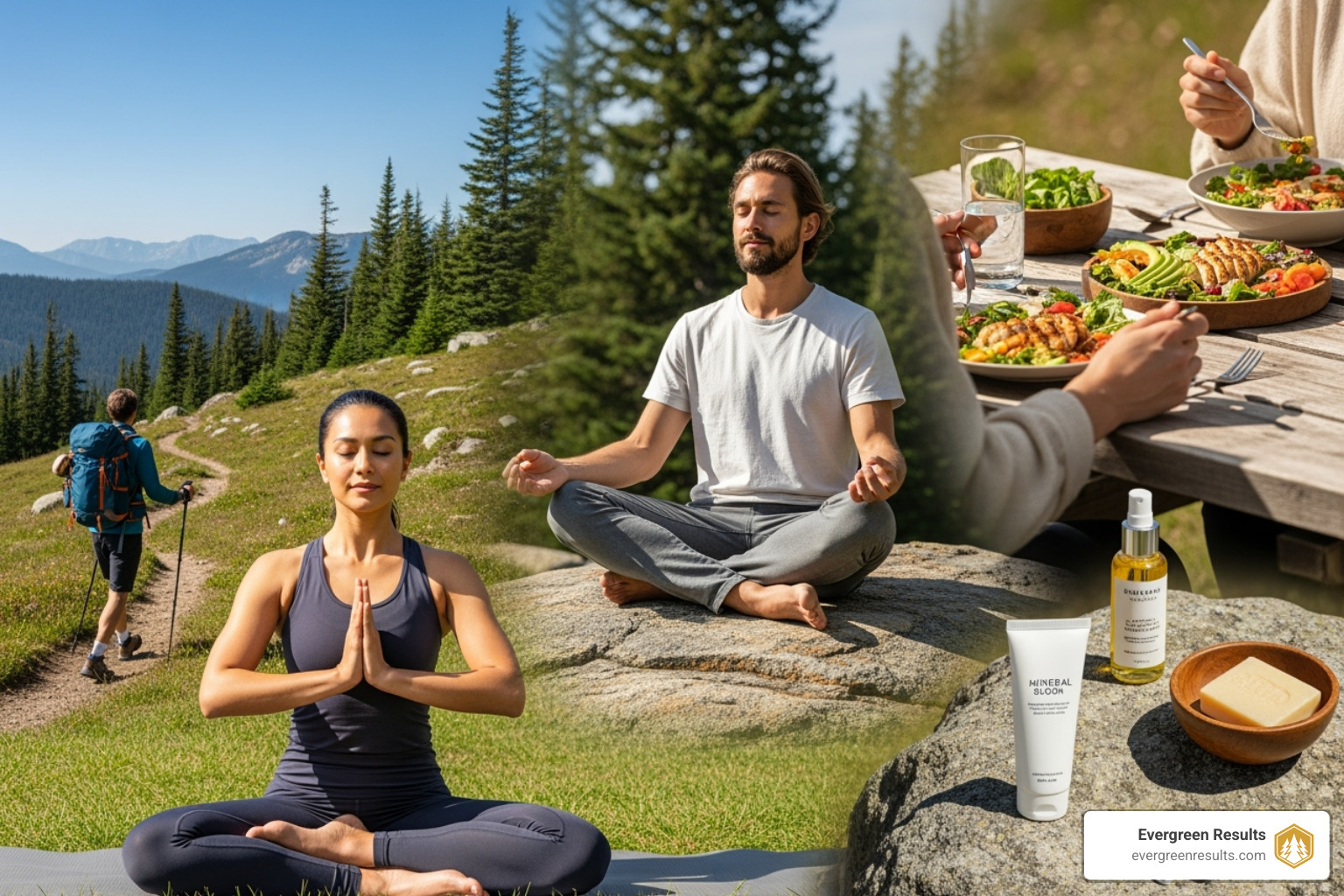
- The Yogi/Mindfulness Coach: Focuses on inner peace and aligns with brands offering yoga gear, essential oils, or wellness retreats.
- The Holistic Practitioner: Promotes natural remedies and alternative health, appealing to audiences seeking premium, natural wellness products.
- The Sustainable Living Expert: Champions eco-friendly choices, working well for brands with strong environmental values.
Understanding these niches is crucial for wellness influencer marketing success. Finding an influencer who embodies your brand’s philosophy creates connections that go deeper than a simple product placement. For more insights, check out our work with outdoor lifestyle brands.
Crafting Your High-Impact Wellness Influencer Marketing Strategy
A successful wellness influencer marketing strategy requires a clear plan. Before reaching out to influencers, define your campaign goals, understand your target audience, and set a realistic budget. Your goals—whether brand awareness, direct sales, or credibility—will shape every decision.
Your budget should account for influencer fees, product gifting, and campaign management. A good rule is to allocate 60% to fees, 30% to product costs, and 10% to management. Finally, create a campaign timeline that allows influencers enough time to genuinely experience your product, as wellness results often take weeks or months to show.

How to Identify and Vet the Right Partners
Finding the right partner requires careful evaluation beyond surface-level metrics. Start by creating an ideal influencer profile, focusing on their niche and audience demographics. Tools like SARAL can help, but manual review is key.
- Engagement Quality: Look for meaningful conversations in the comments, not just likes. High-quality engagement signals a real community.
- Content Alignment: Does their aesthetic and do their values match your brand? Do their sponsored posts feel natural?
- Authenticity Check: Review past partnerships. Creators who are selective and genuinely use products in your category are more credible.
- Professionalism: Prompt responses and well-written content reflect well on your brand.
Best Practices for Outreach and Collaboration
Treat influencers as creative collaborators, not just ad space.
- Personalized Outreach: Craft messages that reference their specific content and explain why they are a good fit for your brand. Generic emails get deleted.
- Clear Briefs with Creative Freedom: Outline your goals and messaging, but give influencers the freedom to create in their own style. They know their audience best.
- Build Long-Term Relationships: “Always-on” strategies with consistent ambassadors build deeper trust and yield stronger results than one-off posts.
- Flexible Compensation: Offer a mix of paid partnerships, product gifting, and affiliate programs to align incentives with your goals.
For more insights on creating content that connects, check out our guide on engaging social media content.
Choosing Content Formats for Maximum Impact
- Instagram Reels & Stories: Perfect for showcasing daily routines and behind-the-scenes moments that feel spontaneous and authentic.
- TikTok Videos: Ideal for launching trends, sharing “what I eat in a day” videos, and creating relatable wellness humor.
- YouTube Long-Form Reviews: Provide the space for detailed product explanations and demonstrations, which is crucial for considered purchases like supplements or equipment.
- Blog Posts with SEO Value: Create evergreen content that drives organic traffic and conversions long after publication.
- Live Q&A Sessions: Build trust through real-time interaction and transparency.
- User-Generated Content (UGC) Campaigns: Amplify reach by encouraging followers to share their own experiences with a unique hashtag.
Measuring Success and Navigating the Rules
Great wellness influencer marketing campaigns are both profitable and trustworthy. This requires tracking what’s working and ensuring you’re playing by the rules.
Tracking the ROI of your wellness influencer marketing
Focus on metrics that align with your business goals. Clear Key Performance Indicators (KPIs) are essential for optimizing future campaigns.
- Engagement Rate: Track likes, comments, shares, and saves to see how actively people are interacting with the content.
- Reach and Impressions: Understand your brand awareness impact by measuring unique viewers (reach) and total views (impressions).
- Website Clicks: Use UTM parameters on links to track how much traffic each influencer drives to your site.
- Conversion Rates: Assign unique promo codes or affiliate links to trace sales directly back to specific influencers.
- Earned Media Value (EMV): Calculate what it would have cost to achieve the same reach through paid ads to show campaign efficiency.
- Cost Per Acquisition (CPA): If customer acquisition is the goal, track this metric to prove your influencer strategy is cost-effective.
For deeper insights, explore our guides on what is social media ROI and why does it matter? and how to calculate ROI for social media marketing.
Staying Compliant: FTC Guidelines and Health Claims
The wellness space demands extra responsibility. Staying compliant builds trust and protects your brand.
- Proper Disclosure: The FTC requires clear, upfront disclosure of paid partnerships. Use hashtags like #ad or #sponsored prominently.
- Avoiding Misleading Health Claims: Influencers cannot make unsubstantiated claims about medical benefits. All claims must be truthful and backed by evidence. Partnering with credentialed experts adds credibility.
- FDA Regulations: Understand the rules around marketing supplements and functional foods. A compliance expert review is essential.
- Brand Safety: Ensure an influencer’s values and content align with your brand to protect your reputation.
Review the official FTC influencer guidelines regularly.
Common Pitfalls and How to Avoid Them
- Mismatched Values: A disconnect between an influencer’s lifestyle and your brand is obvious to audiences. Vet partners thoroughly for genuine value alignment.
- Inauthentic Partnerships: If an influencer doesn’t genuinely use your product, the content will feel forced. Allow time for them to experience your product before a paid campaign.
- Overly Restrictive Briefs: Micromanaging kills creativity. Trust influencers to use their authentic voice while providing strategic direction.
- Focusing Only on Follower Count: A smaller, highly engaged audience often delivers better results. Prioritize engagement and community connection.
- One-Off Campaigns: Trust builds over time. Shift to an “always-on” strategy with long-term ambassadors for a greater impact.
The Future is Well: Trends and Community Building
The wellness influencer marketing landscape is constantly evolving. To stay ahead, brands must watch emerging trends while building communities that create lasting connections.

Emerging Trends in the Wellness Space
- Hyper-personalization: Consumers want recommendations custom to their specific health goals. Influencers are responding with more customized content.
- AI-powered matchmaking: AI platforms are making it easier to find the right influencer, but the human touch remains essential for vetting brand values.
- Inclusivity and Diversity: Influencers promoting body positivity, mental health, and diverse cultural wellness practices are gaining traction. Brands that partner with a diverse range of voices resonate with broader audiences.
- Employee Wellness Influencers: Internal advocates champion workplace wellness with an authenticity that external influencers can’t match.
- The Creator-as-Founder Model: Influencers are launching their own wellness brands, leveraging their established communities and trust to drive growth, like Bloom Nutrition.
From Campaigns to Communities
The best wellness influencer marketing strategies build lasting communities, not just individual campaigns.
- Build Brand Loyalty: When influencers consistently integrate your brand into their lifestyle, their followers’ trust transfers to your brand, creating long-term customers.
- Foster Two-Way Conversations: Influencers create dialogue that makes followers feel heard. This feedback is invaluable for product development.
- Host Events and Retreats: Collaborate with influencers on virtual or in-person events to create immersive experiences that strengthen community bonds.
- Turn Customers into Advocates: When followers have a positive experience with a product recommended by a trusted influencer, they often become organic advocates, expanding your brand’s reach.
At Evergreen Results, we focus on cultivating these deep connections to turn fleeting attention into lasting loyalty. For more insights, explore our strategies for social media brand engagement.
Frequently Asked Questions about Wellness Influencer Marketing
How much does it cost to hire a wellness influencer?
Costs for wellness influencer marketing vary widely. Key factors include:
- Follower Size: Nano-influencers (1K-10K) may accept free products, while micro-influencers (10K-100K) might charge $100-$1,000+ per post. Macro- and mega-influencers can command four to six figures.
- Engagement Rate: An influencer with a smaller, highly engaged audience can offer better ROI than one with a large, passive following. This often impacts the price.
- Scope of Work: A simple Instagram story costs less than a detailed YouTube review or a long-term ambassadorship.
- Niche Expertise: Credentialed experts like registered dietitians or certified trainers can charge premium rates.
Many brands use a mix of monetary compensation, product gifting, and affiliate commissions. The key is to have a clear budget and negotiate for a partnership that aligns with your goals.
How long does it take to see results from an influencer campaign?
Patience is key, but some results are immediate while others take time.
- Immediate Results (Hours): You can track brand awareness metrics like reach, impressions, and engagement (likes, comments) as soon as content goes live.
- Short-Term Results (Days to Weeks): Website traffic and initial sales conversions, tracked via UTM links and promo codes, will start appearing.
- Long-Term Results (Weeks to Months): This is where the most significant impact occurs, especially in wellness. Trust builds as followers see an influencer consistently use a product over time. Many wellness purchases are considered decisions, so sustained exposure is crucial for driving lasting customer relationships.
An “always-on” strategy with ongoing collaborations typically yields far better long-term results than isolated posts.
Can small wellness brands benefit from influencer marketing?
Absolutely. Small brands often have an advantage in wellness influencer marketing because they can build authentic relationships that larger companies struggle with.
- Micro- and Nano-Influencers: These creators are a small brand’s best friend. They offer highly engaged, niche audiences who deeply trust their recommendations, and they are far more affordable.
- Budget Efficiency: Small brands can achieve impressive ROI by focusing on engagement quality over sheer reach. Working with several micro-influencers can create more diverse content and reach more targeted demographics than one expensive macro-influencer.
- Authenticity: Genuine excitement from an influencer about a small-batch or mission-driven product feels more authentic than a scripted ad. Compelling founder stories and unique ingredients resonate deeply with wellness communities.
The key is to start small, prioritize value alignment over follower count, and build genuine, long-term relationships.
Conclusion
Wellness influencer marketing is a fundamental shift in how brands connect with health-conscious consumers. The core takeaway is clear: authenticity is essential when people make decisions about their wellbeing. Consumers aren’t just buying a product; they’re investing in their health, which is why the trusted voice of an influencer who genuinely believes in what they share carries so much weight.
The most successful brands understand that long-term partnerships create more value than one-off campaigns. When an influencer documents their journey with your product over months, their audience witnesses genuine change, not just an advertisement. This requires a solid strategy—from finding the right influencer to granting creative freedom and measuring the right metrics.
Wellness influencer marketing is about connecting products that can genuinely improve lives with the people who need them, through voices they already trust.
At Evergreen Results, we’ve seen how the right influencer partnership can transform an active lifestyle brand. Our deep understanding of the wellness community helps us craft strategies that feel natural, not forced. To build a thriving brand in this space, you need a partner who gets it. Explore our health and wellness marketing strategies to see how we can help your brand become part of that meaningful journey.