
Why Brand Awareness Campaigns Matter for Active Lifestyle Brands
Brand awareness campaigns are strategic marketing initiatives designed to increase your target audience’s familiarity with your brand, building recognition and trust over time. Here’s why they are essential:
- Builds trust and credibility – 69% of consumers choose brands they’re familiar with over cheaper alternatives.
- Creates emotional connections – Moves beyond simple recognition to establish loyalty and advocacy.
- Drives long-term growth – Fills your marketing funnel and influences future purchasing decisions.
- Spans multiple channels – Combines content marketing, social media, influencer partnerships, PR, and paid advertising.
- Requires consistent measurement – Tracks both quantitative metrics (traffic, engagement) and qualitative insights (sentiment, perception).
Simply put, people don’t buy from brands they’ve never heard of. In crowded markets like outdoor gear or health foods, you need a strategy that makes your brand memorable and top-of-mind. Many active lifestyle brands struggle to build sustainable awareness without burning through their marketing budget, unsure whether to focus on influencers, content, or paid ads.
This guide breaks down the framework for building brand awareness campaigns that work. You’ll learn how to humanize your brand, choose the right channels, measure what matters, and adapt your strategy for 2025 and beyond. We’ll explore proven examples and practical tactics for brands at any budget level.
I’m Adam Bocik, founder of Evergreen Results. We’ve helped dozens of active lifestyle brands scale their digital presence through strategic brand awareness campaigns, changing them from unknown to unforgettable.
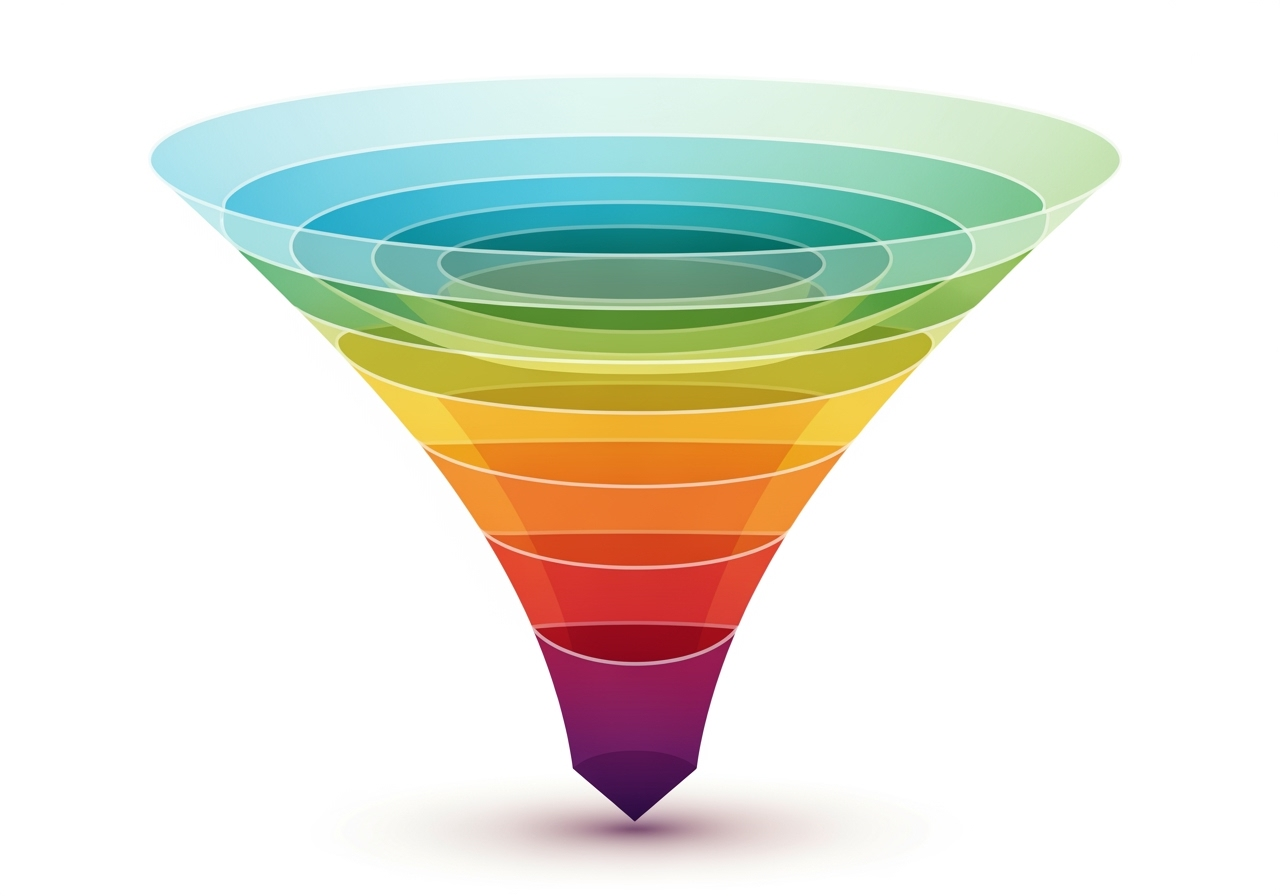
Foundations of Brand Awareness: From Recognition to Loyalty
Think of brand awareness as the mental real estate your company occupies in your customers’ minds. It’s not just whether they’ve heard of you—it’s how deeply they understand what you stand for. The best brand awareness campaigns create meaningful connections that make customers think of your brand first.
For active lifestyle and food/beverage brands, this foundation is everything. Awareness builds the trust and credibility that turn browsers into buyers. A powerful statistic reveals that 69% of consumers would choose a familiar brand over the cheapest option. This familiarity builds brand equity—the financial value your brand name carries—allowing you to command premium prices because customers believe in your value.
However, awareness isn’t enough if your brand feels corporate. The magic happens when you humanize your brand by sharing authentic stories—the people behind the products, the community events that inspired a new line, and the mission that drives you. Authenticity isn’t a buzzword; it’s a business strategy that transforms a faceless company into a trusted partner.
This is where the power of storytelling becomes your secret weapon. A well-told story, like an Outdoor Branding campaign following a local climber’s journey, captures attention and inspires loyalty.
Brand Awareness vs. Brand Recognition
Many brands confuse brand recognition and brand awareness. Recognition is the starting point; awareness is the destination.
Brand recognition is when customers can identify your brand from visual or auditory cues like a logo or jingle. It’s picking you out from a crowd.
Brand awareness is deeper. It’s when customers can recall your brand without prompts and understand your values, products, and mission. It’s the difference between seeing a protein bar and thinking, “Oh, that brand,” versus thinking, “That’s the company that uses organic ingredients and supports trail restoration.”
Here’s a simple way to see the distinction:
| Feature | Brand Recognition | Brand Awareness |
|---|---|---|
| Definition | Identifying a brand from visual or auditory cues | Recalling a brand and its complete identity |
| Focus | Logos, colors, packaging, slogans | Values, products, mission, reputation |
| Mental Process | “I’ve seen this before” (aided recall) | “This is the brand I need” (unaided recall) |
| Goal | Be identifiable and memorable | Be top-of-mind and trusted |
| Example | Recognizing a mountain logo on outdoor gear | Thinking of that brand first when planning a camping trip |
Brand recall measures how well customers remember your brand without help. Unaided awareness (when they think of you spontaneously) is the ultimate goal—it means you’ve claimed prime mental real estate.
These concepts are the building blocks of loyalty. Recognition gets you noticed, awareness builds trust, and together they create brand advocates. For Food and Beverage Branding, this means shoppers not only spot your product but also associate it with a quality and lifestyle they desire.
Core Strategies for Building Powerful Brand Awareness Campaigns

Powerful brand awareness campaigns require a multi-channel approach that reaches your audience everywhere. The most effective strategies blend content, social media, influencer partnerships, PR, and paid advertising into a cohesive story that makes your brand impossible to ignore.
Leveraging Content and Storytelling
Content marketing brings your brand’s personality to life by sharing your story and expertise. Search Engine Optimization (SEO) is a reliable way to build awareness over time by creating high-quality content that answers your audience’s questions.
- Blogging establishes you as a thought leader.
- Video marketing connects emotionally and is highly shareable.
- Podcasting, whether through guest appearances or your own show, builds trust through authentic conversation.
- Guest blogging on reputable sites introduces your brand to new, engaged audiences.
As a Lifestyle Branding Agency, we focus on crafting narratives that resonate with people’s aspirations and interests, building genuine connections through content.
Dominating Social Media for Engagement
With over 4.8 billion social media users, your audience is on these platforms. Community building is key—engage with your audience by responding to comments and joining conversations.
- Giveaways and contests are effective for turning followers into an engaged community.
- User-generated content (UGC) is marketing gold, as customer content carries more weight than brand messaging.
- Branded hashtags help build community and track conversations about your brand.
We help clients create Engaging Social Media Content and Optimize Content for Social Media to ensure their message reaches the right people.
The Power of People: Influencers and PR
People trust people more than brands, making influencer marketing and PR incredibly powerful. Influencer marketing taps into established trust, with 61% of consumers aged 18-34 having been swayed by an influencer. The key is partnering with creators who genuinely align with your brand values.
- Brand ambassadors create long-term partnerships that build deep customer loyalty.
- Earned media, like word-of-mouth and positive reviews, is the holy grail of awareness because it’s perceived as unbiased.
- Public relations (PR) amplifies your brand’s story through press releases and media coverage, shaping public perception.
As an Active Lifestyle Marketing Agency, we’ve seen how authentic partnerships create lasting impact.
Targeted Reach with Programmatic and Paid Ads
While organic strategies build long-term relationships, paid advertising offers immediate, targeted reach. Programmatic advertising is a cost-effective tool for large-scale brand awareness campaigns, using data to target relevant audiences with personalized ads.
- Retargeting keeps your brand top-of-mind for people who have already shown interest.
- Google Ads captures attention on Search, YouTube, and more at the exact moment someone is looking for solutions.
- Social media ads, like Facebook Awareness Ads, are designed to reach broad yet targeted audiences.
Our Digital Ads Colorado services optimize budget allocation across these channels to make every dollar work harder for your brand.
Executing and Measuring Your Campaign for Maximum Impact
Launching brand awareness campaigns is the easy part; the real challenge is ensuring they work and knowing when to adjust. Success requires clear goals, the right measurement tools, and the flexibility to iterate based on data. Fortunately, brand awareness is more measurable than most people think.
How to Measure Brand Awareness Campaign Success
We measure brand awareness using both quantitative (hard numbers) and qualitative (softer insights) metrics.
Quantitative metrics track specific customer actions that signal growing awareness:
- Direct traffic: People typing your URL directly into their browser.
- Overall site traffic: An indicator of increasing general interest.
- Social media engagement: Likes, comments, shares, and follower growth.
- Branded search volume: People specifically searching for your brand name on Google. An increase here is a strong sign that awareness efforts are working.
Qualitative measurements dig into how people feel about your brand:
- Social listening: Monitoring online conversations to understand brand sentiment.
- News alerts: Tracking media coverage and mentions in publications.
- Surveys: Directly asking your audience about brand perception, recall, and recognition.
Brand tracking ties it all together by establishing a baseline before a campaign and measuring growth at regular intervals. This comprehensive approach, which we detail in our guide on How to Measure ROI in Social Media Marketing, allows for data-driven decisions.
Smart Strategies for Small Businesses
Small businesses can thrive in brand awareness by leveraging their local presence and authentic story.
- Local SEO and Google Business Profile: This is foundational. An optimized profile with accurate info, quality photos, and genuine reviews dramatically improves local search ranking and is free 24/7 marketing.
- Referral programs: Leverage your existing customers to do your marketing. Dropbox grew 3,900% with a simple referral program. Incentivizing word-of-mouth builds trust and generates new leads.
- Community events: Sponsor a local race, host a trail cleanup, or set up a booth at a farmer’s market. Face-to-face interactions create memorable connections that digital marketing can’t replicate.
- Strategic local partnerships: Partner with complementary businesses that share your target audience. Cross-promotion introduces your brand to a relevant audience without a large budget.
- Authentic storytelling: Share your journey, your community ties, and your values. Customers want to connect with the real people behind the brand.
As a Digital Marketing Agency Fort Collins, we’ve seen these targeted efforts yield impressive results for small businesses.
Inspiring Examples and Future-Proofing Your Strategy

Studying successful brand awareness campaigns reveals principles that work across industries. But inspiration isn’t enough; we must also look toward emerging trends to future-proof our strategies for 2025 and beyond.
Breakthrough Brand Awareness Campaigns in Action
- Spotify Wrapped is a masterclass in personalization, turning individual listening data into highly shareable social media content that makes users feel seen.
- Coca-Cola’s “Share a Coke” campaign created deep emotional connections by replacing its logo with names, turning a simple product into a personal gift and conversation starter.
- Beyond Meat achieved massive awareness through clear messaging, positioning itself as a meat alternative for everyone and making plant-based eating feel accessible.
- Magellan Jets transformed its brand perception by positioning itself as a “private aviation provider” focused on safety, appealing to consumers who prioritize experience over simple transport.
These campaigns succeed because they understand their audience, tell authentic stories, and create experiences worth sharing. We apply these lessons in our work, which you can explore at Digital Marketing Colorado.
Adapting Your Strategy for 2025 and Beyond
The marketing landscape is always changing. To stay ahead, brands must accept new trends.
- Hyper-personalization: Use data to anticipate individual needs and deliver uncannily relevant messages.
- Sustainability and values-driven marketing: Consumers increasingly choose brands that align with their values. Authenticity is non-negotiable.
- Artificial intelligence: AI can optimize ad budgets and identify consumer patterns, but it requires human creativity to be effective.
- Short-form video content: Platforms like TikTok, Reels, and Shorts are essential for reaching huge audiences. Authenticity often outperforms high production value.
- Voice search optimization: Optimize for natural, conversational language as smart speakers become more common.
- Augmented reality (AR): Immersive experiences like virtual try-ons are moving from experimental to essential.
The future demands agility. To see what today’s fastest-growing brands prioritize, watch What You Need from a Creative Agency in 2025. As a leading Colorado Internet Marketing Company, we keep our clients ahead of these trends.
Frequently Asked Questions about Brand Awareness
What’s the first step in creating a brand awareness campaign?
The first step is to define two things: your target audience and your brand’s unique identity. Before launching any brand awareness campaigns, you must deeply understand who you’re talking to, what motivates them, and what your brand’s unique story and values are. This foundational clarity guides every subsequent strategy and message.
How long does it take to see results from a brand awareness campaign?
Brand awareness campaigns are a long-term investment. While a viral moment can create a quick spike, meaningful results like increased trust and market share build gradually over months or even years of consistent effort. Think of it as planting a tree, not flipping a switch. The good news is that once established, brand awareness compounds, making future marketing more effective.
Can brand awareness be directly linked to sales?
Yes, there is a strong, albeit indirect, link. Brand awareness campaigns fill the top of your marketing funnel, building the trust and familiarity that influence future purchases. 69% of consumers choose familiar brands over cheaper ones. By tracking metrics like branded search volume and direct website traffic alongside sales data, you can see the clear correlation: as awareness grows, so do sales and customer loyalty.
Conclusion
Building powerful brand awareness campaigns is about showing up consistently, telling your story authentically, and creating genuine connections. The most successful campaigns are rooted in authenticity, accept creativity, and are driven by data.
For any brand, the fundamentals are the same: understand your audience and values, build a multi-channel strategy, and measure your impact. Brand awareness is a long-term investment that compounds over time, building the trust that translates into loyal customers and sustainable growth.
The marketing landscape will continue to evolve, but the core of effective brand awareness campaigns remains constant: real people connecting with brands that share their values.
At Evergreen Results, we’ve spent years helping active lifestyle and food/beverage brands steer this journey. Our approach combines strategic thinking with authentic storytelling and data-driven insights. We build personalized strategies that reflect your brand’s unique personality and goals.
Ready to take your brand from familiar to unforgettable? Explore our digital marketing services and let’s start building something remarkable together.