
Why Healthy Eating Campaigns Matter for Your Brand
Healthy eating campaigns are public health initiatives that promote nutritious food choices through mass media, digital platforms, and community engagement. They use practical, actionable messages to help audiences overcome barriers like cost and time, while building awareness of dietary guidelines like the USDA’s MyPlate.
Key elements of successful campaigns include:
- Clear, simple messaging on one behavior change
- Multi-channel distribution (social, traditional, community)
- Audience segmentation for custom messages
- Stakeholder involvement (health professionals, influencers)
- Practical resources like recipes and meal plans
- Measurement to track engagement and behavior change
The stakes are high. Unhealthy eating causes significant public health issues; for example, it accounted for 11.4% of total deaths in Portugal in 2019. Mass media campaigns are a critical tool, as even small individual impacts can create major population-level health improvements when scaled to large audiences.

I’m Adam Bocik, a marketing strategist. I’ve helped active lifestyle brands scale their digital presence with strategic marketing that connects with health-conscious audiences. My work shows that effective healthy eating campaigns build community and drive behavior change when grounded in authentic storytelling and data-informed strategy.
Laying the Foundation: Goals and Guiding Principles
Every successful healthy eating campaign starts with a clear goal: helping people eat better to live healthier lives. This means reducing chronic diseases like obesity and heart disease by increasing awareness and providing practical, actionable steps. The best campaigns inspire action by promoting specific, doable behaviors like “fill half your plate with fruits and vegetables,” giving people concrete goals.
Strong campaigns are built on solid science, like the U.S. Department of Agriculture’s Dietary Guidelines for Americans, which provide an evidence-based foundation. But science alone isn’t enough. The magic happens when you combine authoritative information with compelling storytelling and smart marketing. Involving consumers, health professionals, and other stakeholders in a co-creation process ensures campaigns feel authentic and relevant. Integrating Health and Wellness SEO strategies also helps connect with audiences actively searching for health information online.
Understanding the “Why”: Core Objectives
Effective healthy eating campaigns focus on turning knowledge into action. The real challenge is behavior change, not just providing information. People respond to practical, simple, and exciting solutions that fit their real lives, not another lecture on nutrients.
That’s why successful campaigns promote specific actions like “try meatless Monday” or “keep cut veggies in your fridge for easy snacking.” These targeted suggestions offer a clear starting point. Another objective is improving nutritional literacy—helping people understand food labels and portion sizes—but this education must be action-oriented. It’s not enough to explain fiber; show people how to find high-fiber foods they’ll enjoy.
Most importantly, campaigns must address health inequities. Messaging and dissemination channels must be designed to reach vulnerable populations. Healthy eating should be accessible and achievable for everyone, and developing an effective Content Strategy for Wellness helps ensure messages reach diverse audiences.
Key Principles for Successful Healthy Eating Campaigns
What separates campaigns that work from those that don’t?
Practicality is first. Offer advice people can actually use, like simple recipes, budget-friendly tips, and realistic meal plans. If it’s not practical, people won’t try it.
Simplicity in messaging is key. Avoid overwhelming people with complex science. Focus on one clear, simple message at a time. Skip the jargon and be relatable.
Emotional connection turns facts into feelings. Stories about having more energy are more motivating than disease statistics. Frame healthy eating as enjoyable and rewarding. As a qualitative study on campaign development found, positive associations are far more impactful than fear or guilt.
Consistency builds trust. Maintain coherent messaging, visuals, and tone across all platforms. This repetition reinforces learning and establishes your campaign as a trusted voice.
Usefulness should guide all content. Every resource must equip people with practical tools for lasting change, like tips for budget shopping or quick meals. Solving real problems is what drives change.
Know Your Audience: Segmentation and Targeting
Developing a healthy eating campaign is like cooking for guests with different needs; a one-size-fits-all approach doesn’t work. Understanding your audience is key to creating a campaign that resonates.

Effective segmentation goes beyond demographics to include psychographics—the attitudes, values, and lifestyles driving food choices. These insights are crucial for crafting messages that motivate action, as demonstrated by the ‘Move Your Way®’ campaign’s distinct resources for different life stages. This targeted approach is central to an effective Content Strategy for Wellness.
It’s also important to focus on vulnerable and hard-to-reach populations, who often face unique barriers like limited grocery access or economic constraints. Reaching them requires thoughtful planning but is essential for inclusive campaigns.
Tailoring Messages for Different Groups
Once you understand your audience, craft messages that speak to their lives.
- Parents and families respond to campaigns that make healthy eating achievable and fun. Use real-life stories and practical resources like family-friendly recipes to make the message actionable.
- Children and youth are digital natives who engage with interactive content on social media. Use text messages, posters, and short videos. Kids often become health ambassadors, influencing their families.
- Older adults prioritize nutrition for maintaining independence and managing chronic conditions. Use relatable stories to show how healthy eating supports vitality.
- Cultural adaptation is crucial. Providing materials in multiple languages and respecting cultural nuances in food, family, and health beliefs shows that your campaign was designed with specific communities in mind.
Addressing Health Inequities in Your Campaign
Healthy eating campaigns must address the reality that not everyone has equal access to healthy food. A campaign that assumes everyone can afford organic produce will alienate many.
Emphasize that healthy eating doesn’t have to cost more. Promote budget-friendly recipes and smart shopping strategies, like those in the USDA’s Plan, Purchase, and Prepare Food on a Budget guide.
Inclusive imagery is also vital. When people see themselves reflected in campaign materials, they are more likely to trust the message.
Targeted dissemination channels ensure your message reaches diverse communities. Supplement digital efforts with community-based initiatives, local posters, and partnerships with trusted organizations. The ‘Be a Health Hero’ campaign succeeded by consulting with its target population during development, ensuring the message met their specific needs.
Crafting Your Message: The Core of Effective Healthy Eating Campaigns
People don’t need another nutrition lecture; they need practical, transformative, and useful messages that help them change their lives. Like generic emails, health messages that are too complex or clinical get ignored. Successful healthy eating campaigns use simplicity, innovation, and an exciting tone to capture attention.
Storytelling is a powerful approach. Real people sharing real experiences make abstract guidelines feel achievable. The ‘Move Your Way®’ campaign uses personal narratives to deliver actionable tips that stick. This authentic connection is a key focus in Health and Fitness marketing, because human-centric campaigns drive real change.
Addressing Key Barriers to Healthy Eating
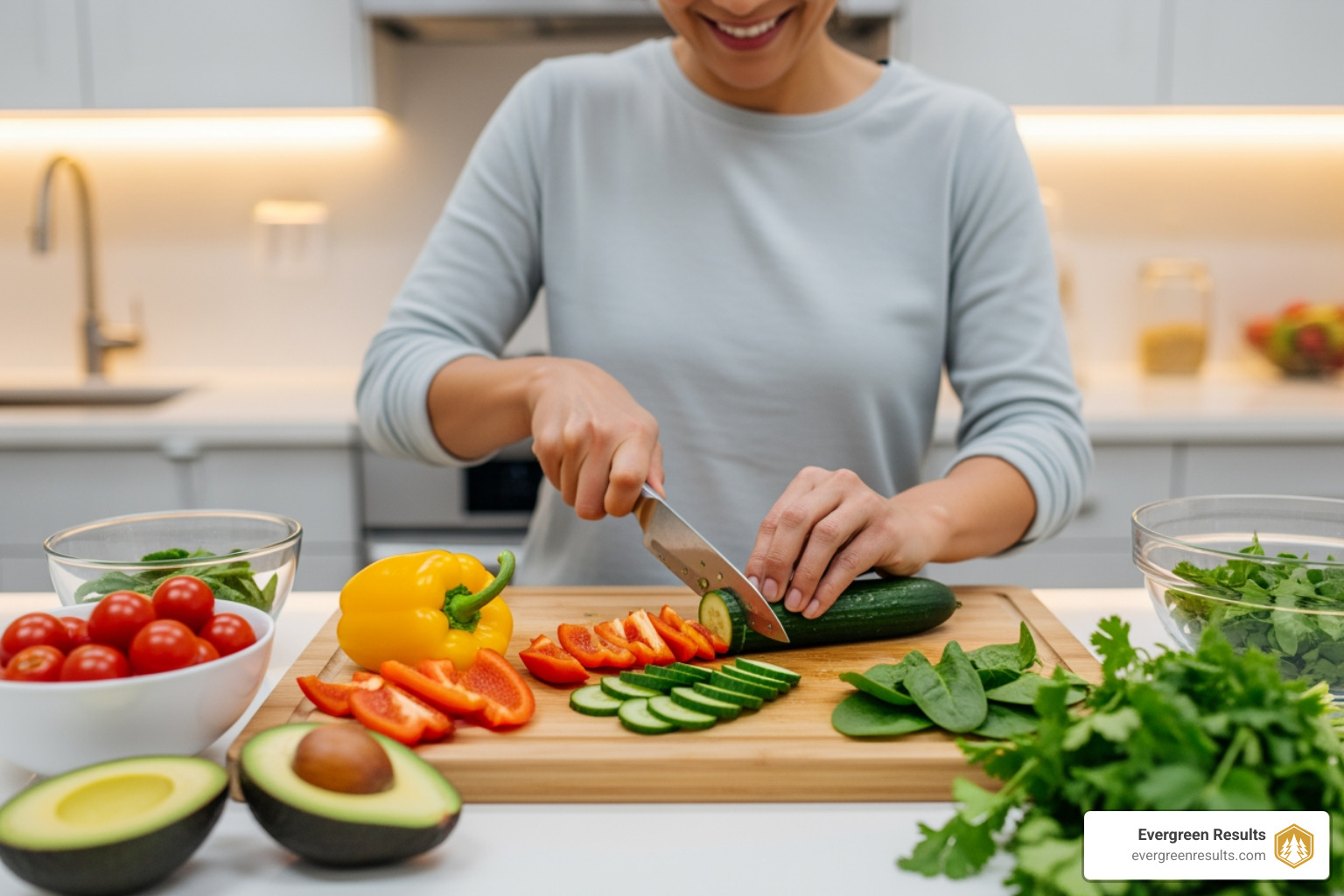
Effective campaigns must tackle real barriers like perceived cost, lack of time, and picky eaters.
- Perceived cost: Many believe healthy eating is expensive. Challenge this by highlighting budget-friendly recipes, smart shopping tips, and meal planning to cut costs, using resources like the USDA’s Plan, Purchase, and Prepare Food on a Budget.
- Lack of time: In a world, convenience wins. Promote quick meal prep, 20-minute dinners, and cooking hacks to make healthy eating fit busy schedules.
- Pleasantness of food: If healthy food doesn’t taste good, people won’t eat it. Successful campaigns showcase delicious recipes, associating healthy eating with joy, not deprivation. Emphasizing flavor shifts the mindset from “I should” to “I want.”
- Emotional eating: Acknowledge that many use food for comfort and offer healthier alternatives without judgment to help people develop a more balanced relationship with food.
The Power of a Simple, Actionable Slogan
A great slogan distills your core message into a memorable phrase people use. The best slogans are memorable, action-oriented, positive, and simple.
For example, USDA’s MyPlate campaign message, “make half your plate fruits and vegetables,” is brilliantly straightforward. Canada’s ‘Half Your Plate’ initiative uses a similarly direct and effective message. The ‘Be a Health Hero – Eat, Drink, Move’ campaign connects healthy choices to a positive identity. These aren’t just catchy phrases; they are blueprints for behavior change.
Choosing Your Channels: Promotion and Dissemination Strategies
A successful healthy eating campaign must go beyond a great slogan and meet people where they are. A multi-channel approach is essential. To reach a diverse audience, strategically combine mass media, digital marketing, and community initiatives. This creates a web of reinforcing touchpoints, a core part of effective Health and Wellness Marketing Strategies.
Traditional media like TV and radio can reach older or rural audiences, while digital marketing offers targeted, interactive possibilities. Community-based approaches in schools or workplaces bring the message home. The ‘Be a Health Hero’ campaign effectively used text messages, posters, and billboards to create consistent messaging across multiple touchpoints, reinforcing behavior change.
Leveraging Digital Platforms and Influencers
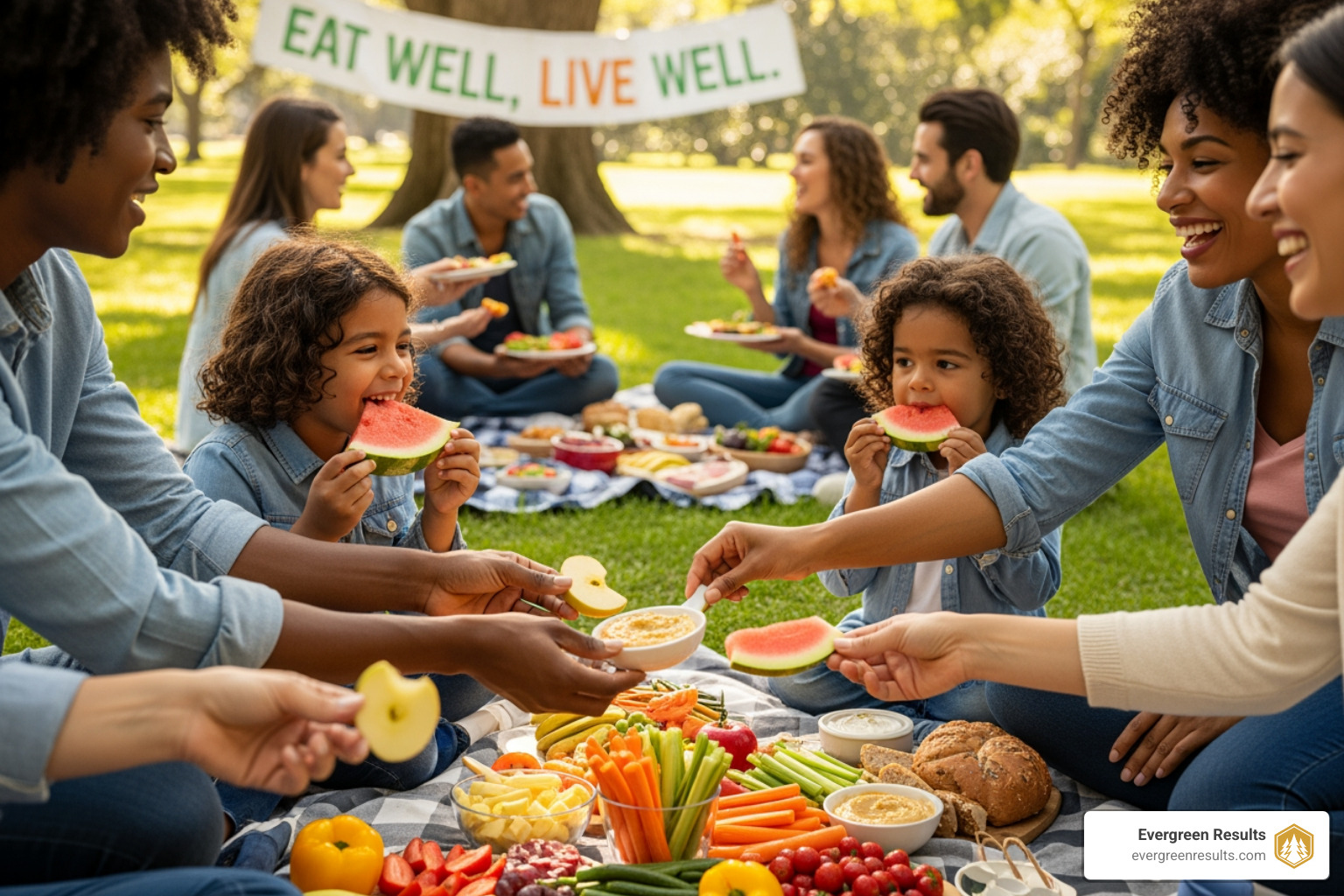
Digital platforms, especially social media, are now primary sources of health information. The immediacy and shareability of content like short recipe videos allow for exponential reach.
Digital influencers have become powerful voices in health promotion. As trusted, relatable figures, their recommendations on nutrition are highly effective. Research shows that influencers are willing to partner with public health campaigns but require authenticity and creative control. When influencers can interpret messages in their own voice, their content feels like advice from a trusted friend, not an ad. The key is finding influencers whose values align with your campaign and giving them creative freedom.
The Role of Health Professionals and Community Partners
While influencers bring relatability, health professionals bring credibility and expertise. When doctors and nutritionists get involved in healthy eating campaigns, they lend scientific authority that builds trust. A pediatrician’s recommendation to add a vegetable to dinner, for example, transforms abstract advice into a concrete health directive.
Community partners extend a campaign’s reach into everyday life. Schools can integrate nutrition lessons using resources like Canada’s Food Guide toolkits. Workplace wellness programs create supportive environments for healthy choices. These proximity-based initiatives are effective because they are embedded where people spend their time, creating a supportive ecosystem for change.
Campaign Showcase: Learning from Real-World Examples
Studying successful healthy eating campaigns reveals why they worked. These real-world examples share common traits: clear messaging, targeted engagement, and practical, usable advice.
Analyzing Successful Healthy Eating Campaigns
USDA’s MyPlate is effective due to its simple visual icon on MyPlate, showing an ideal meal composition. Based on the Dietary Guidelines for Americans, it partners with platforms like Pinterest to share accessible recipes and provides extensive resources on budget-friendly meal planning.
Canada’s Food Guide takes a holistic approach, focusing on how to eat: being mindful, cooking more, enjoying food, and limiting processed items. It addresses our relationship with food and offers extensive resources and educational toolkits.
The Half Your Plate initiative is a powerful partnership led by the Canadian Produce Marketing Association and health organizations. Its laser-focused message—make half your plate produce—is spread through multiple trusted channels with practical tips and recipes.
Move Your Way® from the U.S. Department of Health and Human Services uses a unique storytelling approach, bringing guidelines to life through personal narratives. This makes recommendations relatable. The campaign offers custom, multilingual resources for specific groups like parents and older adults.
Here’s how these campaigns compare:
| Campaign | Target Audience | Core Message | Key Channels | Unique Strategy |
|---|---|---|---|---|
| MyPlate (USDA) | Individuals over 2, families | Make half your plate fruits and vegetables; balance your diet with whole grains, lean protein, and dairy. | USDA website, media partnerships, Pinterest, educational materials | Simple visual icon for meal composition; emphasis on food groups; extensive recipe and budget resources. |
| Half Your Plate | Canadians | Incorporate fruits and veggies into every meal for a healthy lifestyle. | Website, partnerships with Heart and Stroke Foundation, CPHA, Cancer Society | Collaborative effort across health and industry organizations; focused on increasing consumption of a specific food category; practical tips and recipes. |
| Be a Health Hero | SNAP-Ed eligible populations (youth & adults), Georgia | Eat, Drink, Move (promote healthy nutrition and physical activity behavior change). | Text messages, school/community posters, billboards, social media | Multi-channel social marketing; strong community feedback and co-creation in messaging and imagery; supports Policy, System, and Environmental (PSE) changes. |
| Move Your Way® | Adults, older adults, pregnant/postpartum women, parents | Share key recommendations from the Physical Activity Guidelines for Americans and healthy eating tips. | HHS website, social media, partner organizations | Uses personal storytelling to make guidelines relatable and actionable; custom resources for specific demographics; available in multiple languages. |
Measuring Your Campaign’s Impact
Measuring impact is crucial to understanding a campaign’s effectiveness. Performance should be tracked rigorously, using Key Performance Indicators (KPIs) set from day one to guide adjustments.
Key metrics include unaided recall, which measures if people remember your campaign without prompting. The ‘Be a Health Hero’ campaign found that 62.5% of respondents recalled an ad, showing the message was memorable.
Social media metrics like engagement, reach, and shares provide real-time insights into how content is resonating. Website traffic to resource hubs reveals genuine interest beyond passive awareness.
The ultimate measure of success is long-term behavior studies that assess actual dietary changes and health outcomes. While complex, they provide the most meaningful evidence that a campaign is genuinely changing lives. Continuous evaluation ensures healthy eating campaigns deliver real value.
Conclusion
Effective healthy eating campaigns aren’t formulaic. They require a blend of research, strategy, creativity, and empathy. This guide has covered the essentials: grounding campaigns in solid science, understanding audience needs, and crafting messages that inspire real action.
The best campaigns offer practical solutions for real-life barriers like budget, time, and taste. By providing simple, actionable advice and resonant storytelling, we can drive true behavior change, moving beyond mere awareness.
A multi-channel approach that combines mass media, digital platforms, and community partnerships is vital for reinforcing your message. Success stories like MyPlate and Be a Health Hero show what’s possible when campaigns are thoughtfully designed and rigorously measured.
Bringing a holistic understanding to every campaign is essential. Sustainable growth comes from authentic connections and data-driven strategies that help active lifestyle and food/beverage brands thrive.
If you’re ready to develop a campaign that resonates with your audience and creates lasting positive change, applying these principles can help you create something meaningful and impactful.