
Why Marketing Strategies for Outdoor Brands Demand a Different Approach
Marketing strategies for outdoor brands require more than generic digital tactics—they demand authenticity, community connection, and a deep understanding of what drives outdoor enthusiasts.
Here are the most effective marketing strategies for outdoor brands:
- Build an authentic brand identity that reflects your mission and resonates with your target audience’s values.
- Create compelling visual storytelling through high-quality imagery, video, and user-generated content.
- Master multi-channel digital marketing, including SEO, social media, and personalized email campaigns.
- Leverage influencer partnerships and brand ambassadors who genuinely align with your brand ethos.
- Foster community engagement through events, UGC campaigns, and consistent communication.
- Use data analytics to guide decision-making and optimize your marketing spend.
- Accept sustainability and transparency as core messaging pillars.
The outdoor industry is booming. An estimated 168.1 million Americans participated in outdoor recreation in 2022, an all-time high, according to the 2023 Outdoor Participation Trends Report. The outdoor retail market surged to $27.5 billion in 2024, with growth across most activity categories.

But more participants means more competition. Your customers are passionate about nature and can spot insincerity from a mile away. They research extensively (78% conduct online research), read reviews (82% before purchases over $100), and are fiercely loyal once they find gear that works (65% stick with brands that perform well). This means your marketing can’t just be good—it needs to be genuine.
Let’s explore how to build a marketing foundation that connects with outdoor enthusiasts and drives sustainable growth.
1. Build Your Basecamp: Defining an Authentic Brand Identity and Audience

Before implementing marketing strategies for outdoor brands, you need a solid foundation: knowing who you are and who you’re talking to. This goes beyond a logo or tagline; it’s about your brand’s soul—your mission, core values, and authentic voice. Outdoor consumers have a finely tuned radar for inauthenticity, so your brand must reflect genuine passion and purpose.
Know Your Tribe: Understanding the Outdoor Consumer
Your customers are your tribe. Understanding them means going deeper than demographics to uncover their motivations and frustrations. What are their pain points, like gear that fails mid-adventure? What are their buying behaviors? We know 82% of outdoor enthusiasts read reviews for purchases over $100, and 65% are loyal to brands they trust. This loyalty is earned by proving your gear’s reliability.
However, the outdoor consumer isn’t a monolith. An ultralight backpacker has different needs than a family car camping for the weekend. Understanding these nuances—the psychographics and buyer personas of your specific audience—is crucial for moving beyond surface-level data to understand what truly motivates them.
Craft Your Compass: Establishing a Distinct Brand Identity
Your brand identity is your compass, guiding your messaging, design, and strategy. It’s the combination of your mission statement, visual identity (logo, colors, typography), and tone of voice, all applied consistently.
Patagonia’s mission—”Build the best product, cause no unnecessary harm, use business to inspire and implement solutions to the environmental crisis”—is a clear declaration that informs every decision they make. Similarly, Moosejaw’s irreverent tone carves out a distinct personality in a serious market.
Your brand identity must be genuinely yours. What do you stand for? How do you want customers to feel when they interact with your brand? Consistency across all touchpoints—from your website and social media to your packaging and customer service—is key to ensuring your audience knows exactly who you are.
2. Tell Your Story: Creating Content That Connects and Converts

In the outdoor world, stories matter more than specs. Customers want to imagine themselves using your gear on an adventure. Effective marketing strategies for outdoor brands center on storytelling that creates genuine emotional connections. When you highlight product benefits through authentic stories—real people using your gear in real situations—you’re not just selling equipment; you’re inviting your audience into an aspirational lifestyle. This approach to outdoor lifestyle marketing turns casual browsers into committed customers.
The Power of Visual Storytelling
In the outdoor industry, visuals are everything. A stunning photo or compelling video does more to sell your brand than a thousand words. High-quality imagery and videos cut through the noise and forge emotional connections.
Your visual arsenal should include professional shots of products in action, drone footage of sweeping landscapes, and authentic moments of challenge and joy. YETI has mastered this, featuring genuine adventures on their YouTube channel where their products play supporting roles. The data backs this up: video on a landing page can boost conversion by 80%, and 64% of users are more likely to buy a product after watching a video about it.
Short-form video on Instagram Reels and TikTok is crucial for demonstrating product features, sharing tips, or capturing the essence of an outdoor moment. Don’t overlook user-generated content (UGC), which provides authentic social proof that no marketing budget can buy. Showcase your community’s content to show real people living the lifestyle.
Weaving in Values: Sustainability and Authenticity
Outdoor enthusiasts are passionate, knowledgeable, and expect the brands they support to share their values. Authenticity is the foundation of trust. Being transparent about your products and true to your mission turns buyers into advocates.
Sustainability is now a necessity. Modern consumers, especially Millennials and Gen Z, are eco-conscious, with 66% willing to spend more on sustainable brands. Highlighting your eco-friendly practices is expected, but beware of greenwashing—it will destroy your credibility. You must back up claims with real action.
Patagonia’s “Don’t Buy This Jacket” campaign is a prime example. By promoting repair and reuse, they took an anti-consumerism stance that deepened audience loyalty because it aligned with their environmental mission. Similarly, The North Face’s Explore Fund supports grassroots organizations, showcasing a tangible commitment to community and inclusivity.
3. Steer the Digital Frontier: Essential Marketing Strategies for Outdoor Brands

While outdoor enthusiasts love to disconnect, their journey to your brand almost always starts online—78% of buyers conduct digital research before a purchase. Effective marketing strategies for outdoor brands must accept the digital frontier. Your brand needs to appear across a complex ecosystem of search engines, social platforms, and email inboxes. A multi-channel approach is essential to steer this terrain.
Master Social Media for Community and Engagement
Social media is where your community lives and finds inspiration. Instagram is a visual powerhouse for showcasing products in breathtaking settings. TikTok and Instagram Reels are vital for reaching younger audiences with short-form video. Facebook remains valuable for building community groups and reaching demographics with high purchasing power.
Success comes from building genuine connections. Respond to comments and DMs, and create branded hashtags to encourage customers to share their adventures. This two-way conversation transforms followers into advocates.
Climb the Ranks with Strategic SEO
If someone searches for “best waterproof hiking boots” and can’t find you, that’s lost revenue. Search Engine Optimization (SEO) is a critical marketing strategy. For local retailers, local SEO is a secret weapon. Claim and optimize your Google Business Profile with accurate info and photos. Use location-based keywords like “Denver hiking gear” to improve geographic relevance.
Broader keyword research helps you understand what your audience is searching for. Create valuable blog posts and guides that answer real questions, like “How to choose your first climbing harness.” This establishes your brand as a trusted authority. On-page optimization and link building from reputable outdoor sites further signal your value to search engines, helping you climb the rankings.
Perfecting Your Email Marketing Campaigns
Email remains a high-converting channel, offering a direct line to your most engaged customers. Build your email list at every touchpoint—website forms, checkout, and social media. Then, use segmentation to group subscribers by interests or purchase history. Someone who bought a tent might be interested in camping accessories.
Personalization means sending relevant content. Gear recommendations based on past purchases or local trail reports drive engagement. Personalized emails generate 6x higher transaction rates. Use email automation for welcome sequences, abandoned cart reminders, and post-purchase follow-ups. The key is providing value-driven content, not just sales pitches. Continuously A/B test subject lines and designs to improve results.
4. Amplify Your Reach: Leveraging Influencers and Community
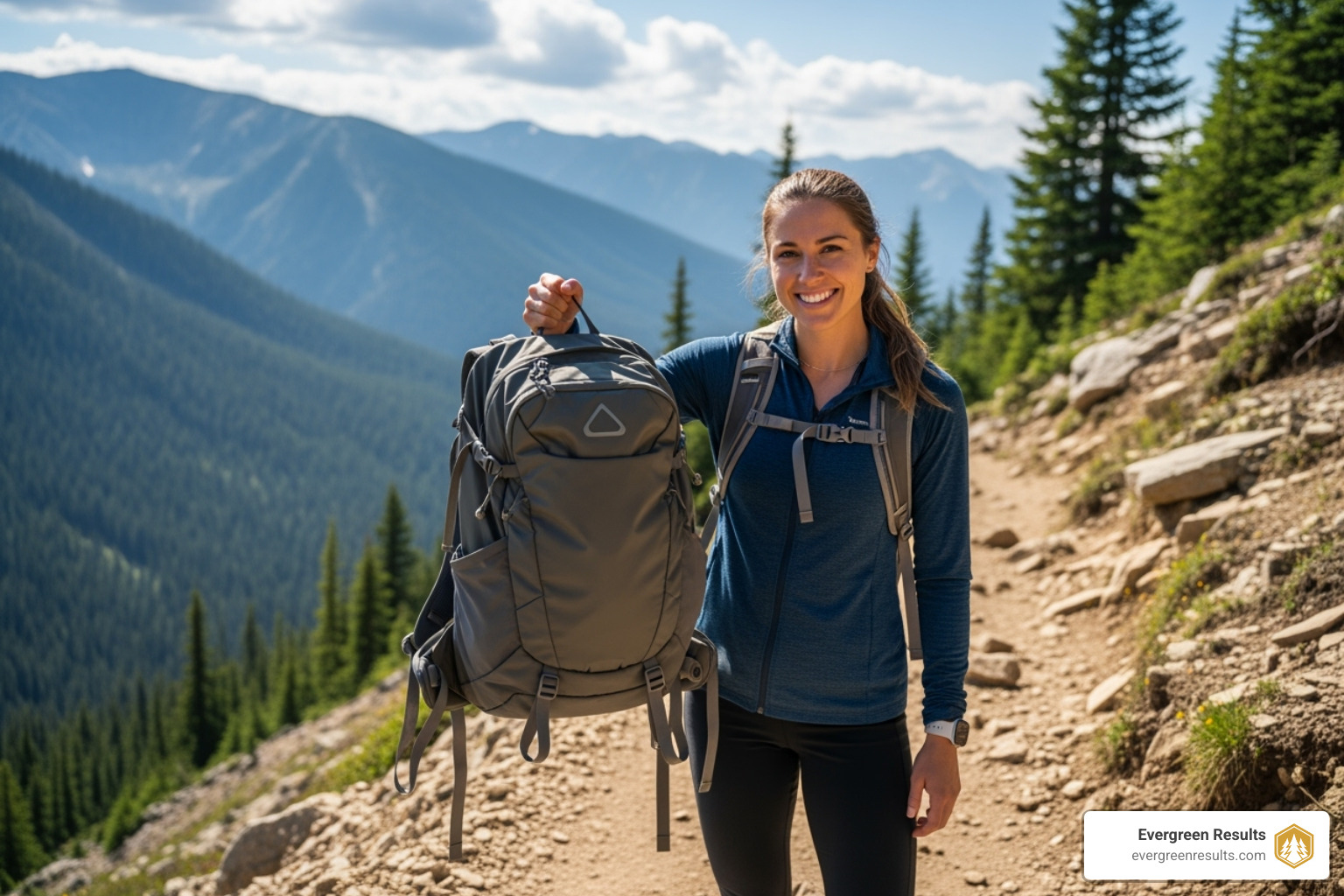
In the outdoor world, trust is earned through genuine recommendations, not flashy ads. This is why effective marketing strategies for outdoor brands must harness word-of-mouth through influencer partnerships and user-generated content (UGC). People trust the voices of those who actually live the lifestyle, making these tools essential for building credibility within the outdoor recreation industry.
Finding the Right Guides: Effective Influencer Marketing
For outdoor brands, influencer marketing isn’t about finding the biggest following—it’s about finding the right one. A micro-influencer with 15,000 devoted followers passionate about backcountry skiing will likely deliver better results than a general lifestyle influencer with millions. Their audiences trust them implicitly.
Authenticity is everything. Partner with people who already live the outdoor lifestyle you represent and can showcase your gear in real adventures. Consider building long-term ambassador programs to allow for more authentic storytelling over time. Product seeding—sending gear to relevant voices—is a great way to start these relationships. Always track your return on investment (ROI) to understand which partnerships truly move the needle for your brand.
Let Your Customers Tell the Story: The Power of UGC
Your best marketing team is your customers. When someone posts a photo of your gear in action, that’s marketing gold. User-generated content provides the social proof that 82% of outdoor consumers seek before making a purchase over $100. Customer testimonials and reviews are essential for conversion.
Make it easy for your community to share. Create branded hashtags and feature the best submissions on your channels, as Ternua does on Instagram. This creates a virtuous cycle where customers feel valued and potential buyers see authentic proof of your products. UGC contests with valuable prizes can further boost content creation. This authentic content can be repurposed across your website, social media, and ads, often outperforming professionally produced material because it feels real and relatable.
5. Chart Your Course: Using Data to Guide Your Marketing

Running marketing strategies for outdoor brands without data is like navigating the wilderness without a map. Data analytics transforms marketing from guesswork into a precise science, showing you what’s working and what isn’t. It’s about having a clear compass that points toward growth.
Successful outdoor brands track Key Performance Indicators (KPIs) relevant to their goals. Engagement metrics show how your community interacts with your content. Conversion rates tell you if followers are becoming customers. ROI measurements reveal the financial impact of each marketing dollar.
Data provides actionable insights. If your Instagram Reels get high views but little website traffic, your content may entertain but not inspire action. Perhaps you need stronger calls-to-action. A/B testing different approaches—like two email subject lines or product page layouts—gives you concrete answers about what resonates with your tribe.
Your website analytics can reveal powerful patterns. Maybe a blog post on “How to Choose Hiking Boots” drives more qualified traffic than any paid ad. These insights should directly shape where you invest your time and budget.
Regularly reviewing your analytics allows you to continuously refine your strategy in a dynamic market. Focusing on metrics that move the needle translates complex data into clear action steps. This ensures your marketing efforts are strategic moves guided by solid intelligence, allowing you to allocate your budget effectively and pivot quickly.
Frequently Asked Questions about Marketing for Outdoor Brands
How can small outdoor brands with limited budgets implement effective marketing strategies?
Small brands can compete by being strategic. Focus on these cost-effective tactics:
- Go deep, not wide: Build a genuinely engaged community on one or two key social platforms where your audience is most active.
- Leverage User-Generated Content (UGC): Encourage customers to share their adventures with your gear. It’s authentic, powerful, and free.
- Prioritize Local SEO: Optimize your Google Business Profile with accurate info and photos to appear in “near me” searches.
- Partner with micro-influencers: Collaborate with influencers who have smaller, highly engaged audiences. Many will work for product alone.
- Create high-value content: Write blog posts that answer your customers’ real questions, establishing your authority and driving organic traffic.
What are the key digital marketing trends for the outdoor industry?
To stay current, focus on these key trends:
- Short-form video: Instagram Reels and TikTok are essential for showing gear in action and sharing quick tips.
- Hyper-personalization: Customers expect emails and web experiences custom to their interests and purchase history.
- Values-driven messaging: Consistently demonstrate your commitment to sustainability and social responsibility.
- Shoppable content: Make it easy for customers to buy directly from social media posts and stories.
- Authentic influencer partnerships: Emphasize collaborations with niche and micro-influencers whose followers trust their recommendations.
What are the biggest marketing challenges for outdoor brands today?
Marketing in the outdoor space has unique challenges:
- Saturated market: You’re competing against both legacy brands and nimble direct-to-consumer startups.
- Balancing authenticity and sales: Outdoor enthusiasts can spot inauthentic marketing from a mile away. You must sell products while staying true to your values.
- Reaching a disconnected audience: You need a strong digital presence to market to consumers who love the outdoors partly to escape screens.
- Data privacy: Personalization is becoming more complex due to tightening regulations and consumer expectations.
- Proving ROI on community building: While crucial for long-term success, the value of brand-building initiatives can be harder to quantify than direct-response campaigns.
Forge Your Path to Success
The outdoor market is full of opportunity for brands that connect genuinely with their audience. Success requires a thoughtful approach built on authenticity, community, and a deep understanding of what drives outdoor enthusiasts.
Your marketing strategy is your trail map. You’ve learned to build a strong brand identity, tell compelling stories through visual content, steer the digital frontier with SEO and social media, amplify your reach with influencers and UGC, and use data-driven decisions to guide your path.
Effective marketing strategies for outdoor brands are about more than moving product—they’re about building a community that shares your passion for adventure. When you get this right, your brand becomes a trusted companion on your customers’ journeys.