
Why Digital Marketing Food Industry Success Requires a Modern Recipe
Digital marketing food industry strategies have completely transformed how food brands connect with hungry consumers. Gone are the days when a simple newspaper ad or TV commercial could build a lasting food empire. Today’s consumers want to find brands on TikTok, read ingredient stories, and share their dining experiences online.
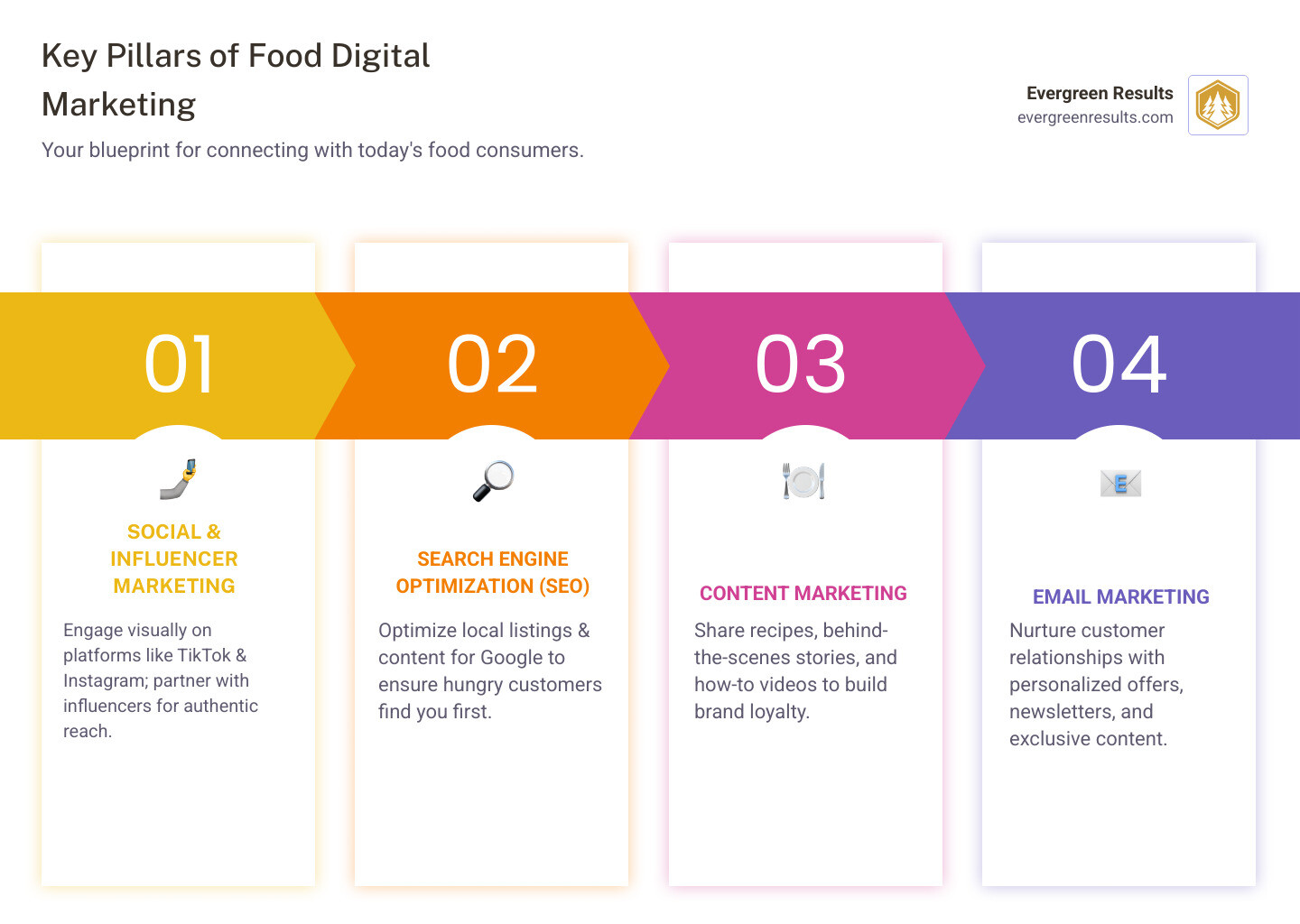
This shift means food brands must master a new recipe for success, blending key digital ingredients:
- Social Media Marketing: Engaging consumers on visual platforms like Instagram, where over 70% seek food recommendations.
- Search Engine Optimization (SEO): Capturing local customers with Google My Business and targeted keywords.
- Content & Email Marketing: Building relationships through valuable recipes, videos, and personalized offers.
- Influencer Partnerships & Trust: Earning credibility through authentic collaborations and transparent practices.
Whether you’re launching a craft hot sauce or running a farm-to-table restaurant, your digital presence is the primary driver of your success.
I’m Adam Bocik, founder of Evergreen Results. My team and I specialize in helping active lifestyle and food brands achieve sustainable growth. We understand that successful food marketing requires a data-driven foundation that turns online findy into loyal customers.
The New Digital Kitchen: How Social Media and E-commerce Reshaped Food Marketing
The digital marketing food industry has revolutionized how brands connect with consumers, moving from one-way ads to genuine conversations. Today’s food lovers want to be part of a brand’s story, not just passive recipients of it.
Visual platforms like Instagram and TikTok are the new findy engines, user-generated content has turned customers into marketers, and direct-to-consumer (DTC) models have removed the middlemen. This digital shift has opened unprecedented doors for brands of all sizes. For a deeper dive, see our Food and Beverage Marketing: A How-To Guide to Success.
From Print Ads to Pixels: The Digital Change
The move to digital is defined by direct consumer access and incredible convenience. With roughly 150 million online food shoppers in the U.S., 24/7 availability is now an expectation. This e-commerce boom allows brands to bypass traditional retail, build direct relationships, and gather invaluable customer data. Yet, 27% of small businesses still lack a website, which is the essential foundation for all digital marketing. A well-designed site ensures you’re accessible whenever a customer gets a craving. For guidance, our Website Navigation for Food and Beverage guide is a great resource.
The “Social” Eatery: Leveraging Instagram, TikTok, and Facebook
Social media is where food conversations happen, with over 70% of consumers using it for food recommendations. Success hinges on playing to each platform’s strengths.

- Instagram is the home of stunning food photography and behind-the-scenes Stories.
- TikTok dominates with short-form videos, which 59% of Gen Z use for findy.
- Facebook excels at community building and detailed storytelling with powerful ad targeting.
The ultimate goal is to inspire user-generated content. When customers share photos of your products, it provides powerful social proof that no ad can replicate. A smart hashtag strategy helps organize these conversations and expands your reach.
The E-commerce & Delivery Revolution
The explosion of online food shopping has empowered brands to control their own narrative. Direct-to-consumer (DTC) models, like subscription boxes and meal kits, create predictable revenue and build deep customer relationships. At the same time, third-party delivery apps have massively extended the reach of local restaurants, giving them access to millions of new customers.
An effective online storefront gives you full control over the customer experience and provides rich data on consumer behavior. Brands that integrate their digital marketing food industry strategies with a seamless e-commerce experience are ready for incredible growth. To learn more about paid strategies, read Tasting Success: How Paid Digital Advertising Can Help Specialty Food Brands.
Your Recipe for Reach: Mastering SEO, Content, and Email
Successful digital marketing food industry strategy requires a harmonious blend of ingredients. To stand out, brands must master being found (SEO), creating mouth-watering content, and building lasting relationships through email. This powerful combination boosts visibility, nurtures leads, and keeps customers hungry for more.
The Impact of SEO on the Digital Marketing Food Industry
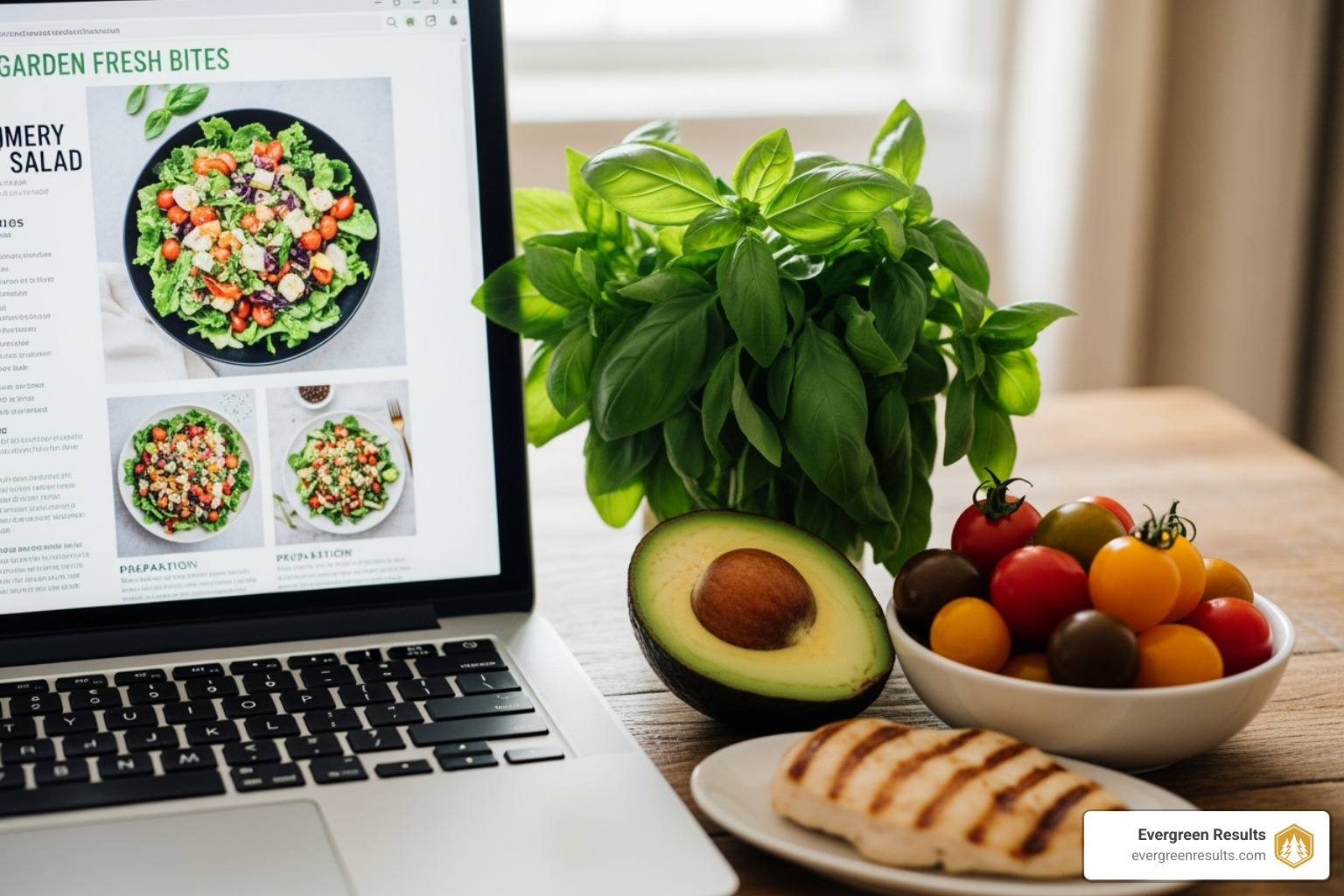
When a customer searches for “best tacos near me,” SEO is what puts your restaurant at the top of the list. It starts with keyword research to understand how customers search, whether it’s “gluten-free bakery Denver” or “easy weeknight dinner ideas.”
For local businesses, local SEO is paramount, as 87% of consumers search online before buying. Your Google My Business (GMB) profile is your digital front door; 64% of consumers use it to find contact info. A complete GMB profile with great photos, hours, and review responses drives significant traffic. For food content, recipe schema markup helps your recipes stand out in search results with images and ratings, boosting clicks. Optimizing for voice search queries like “Hey Google, find me a vegan restaurant” also puts you ahead of the curve. Learn more in our guides on Maximizing SEO for Food and Beverage Business and Food and Beverage SEO.
Content is King: Engaging Consumers with Blogs and Videos
Content marketing is where you share your passion and tell your story. Recipe blogs are a proven winner, as recipes are one of the most consumed content types online. Smart brands naturally weave their products into helpful recipes and tutorials.
Video content, especially short-form videos on TikTok and Reels, brings your brand to life and captures attention instantly. Sharing behind-the-scenes content—like your sourcing story or a glimpse into your kitchen—builds an authentic connection that turns customers into advocates. Great storytelling is what transforms a simple product into a memorable experience.
Nurturing Your Audience with Effective Email Marketing
Once you have someone’s attention, email marketing is your best tool for building a lasting relationship. It boasts an incredible average ROI of $45 for every $1 invested. The key to success is relevance.
Personalization and segmentation are crucial. Sending targeted content based on past purchases or dietary preferences makes subscribers feel understood. Use email for:
- Promotions: Drive action with limited-time offers and exclusive discounts.
- Newsletters: Stay top-of-mind with new recipes, stories, and company updates.
- Welcome Series: Onboard new subscribers and guide them toward their first purchase.
Mastering this channel is essential for customer retention and long-term growth. For advanced tactics, explore our guides on Email Marketing Strategy for Food & Beverage Brands and Personalization in Email Campaigns.
Building a Brand People Trust: Authenticity, Influence, and Reputation
In the digital marketing food industry, consumers buy into the brands behind the food. Building genuine trust through authenticity, credible influence, and a stellar reputation is essential for long-term success. It’s the gut feeling that makes a customer choose your product over another.
The Power of Influence: Partnering with Food Influencers
Food influencers are trusted tastemakers, making them powerful partners. The food and beverage industry is a top sector for influencer marketing because their recommendations feel like authentic advice from a friend. While macro-influencers offer reach, micro-influencers often provide higher engagement within niche audiences (e.g., a gluten-free baker for a gluten-free flour brand). Authenticity is non-negotiable; consumers can spot a forced partnership. Always ensure collaborations are transparent and follow FTC guidelines to maintain and build trust. For more on building a strong brand, see our guide on Food and Beverage Branding.
Transparency on the Table: The Importance of Authenticity
Today’s consumers want to know the story behind their food. Transparency is a powerful tool for building confidence and connection.
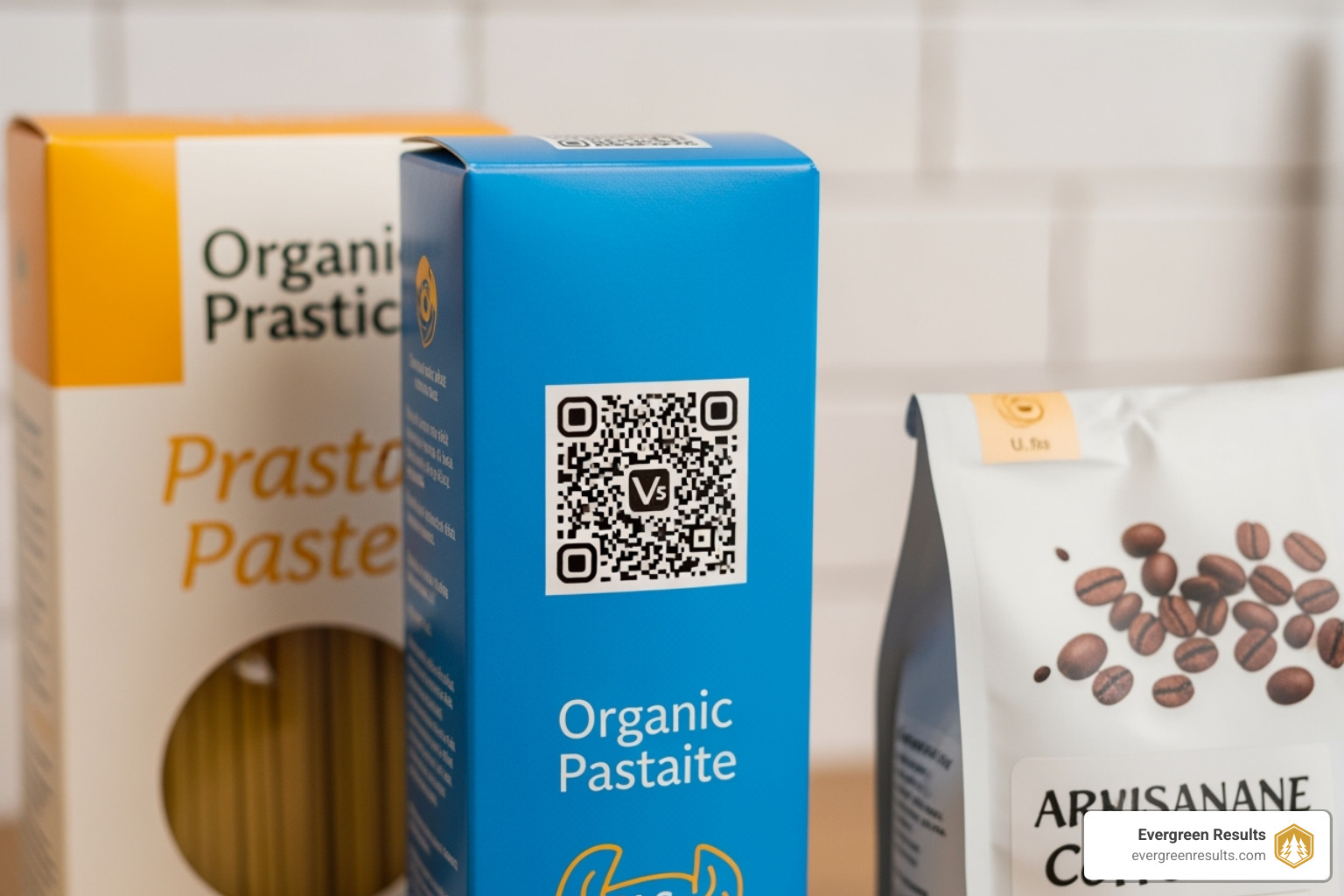
Share details about your sourcing information, production processes, and brand story. Explaining your ingredient choices or highlighting your ethical practices transforms your product from a commodity into a conscious choice. This openness demonstrates expertise and aligns your brand with customer values.
Using Customer Voice: Reviews and Online Reputation
Your customers are your most effective marketing team. A staggering 98% of people read reviews for local businesses. Furthermore, 88% of consumers are more likely to use a business if they see the owner responding to reviews, according to a Local Consumer Review Survey. Actively encourage and respond to all feedback—positive and negative. This engagement shows you care and builds powerful social proof. A recommendation from a friend is 50 times more likely to trigger a purchase, so creating experiences worth talking about is invaluable.
Marketing with a Mission: Integrating Sustainability
Sustainability is a key purchasing driver, with 60% of buyers preferring to buy from environmentally responsible companies. Communicating your commitment to sustainability can be a major differentiator. Highlight efforts like eco-friendly packaging, sustainable sourcing, or food waste reduction. However, authenticity is critical; over 70% of shoppers would abandon brands with misleading green claims. Ensure your actions back up your words to build lasting loyalty.
Advanced Strategies for the Digital Marketing Food Industry
To thrive in the competitive digital marketing food industry, brands must adopt advanced strategies. This means moving beyond the basics to accept sophisticated personalization, optimized advertising, and innovative virtual experiences to forge deeper customer connections.
Data-Driven Decisions: Using Analytics and AI for Personalization
Truly understanding your customers as individuals is a game-changer. Modern brands use analytics and AI to deliver hyper-personalized experiences. Customer Data Platforms (CDPs) unify customer interactions, while AI-powered recommendations suggest products and recipes custom to individual taste profiles. Predictive analytics can even forecast future customer behavior, allowing for perfectly timed personalized offers. This data-driven approach improves conversion rates, but it requires transparency and a commitment to customer privacy to maintain trust.
Optimizing Your Ad Spend: Paid Advertising Campaigns
Smart advertising is about spending your budget more intelligently, not just spending more. Treat your campaigns like a recipe, constantly testing and adjusting for the perfect ROI.
- Social media advertising on platforms like Instagram allows for precise targeting based on food interests and behaviors.
- Pay-per-click (PPC) campaigns capture high-intent customers at the exact moment they search for your products.
- Geotargeting is invaluable for local businesses, serving ads only to people within a specific radius.
Continuous A/B testing of creative and audiences is key to finding your winning formula, while retargeting campaigns reconnect with interested users to boost conversions. For detailed strategies, explore our guide on Paid Digital Advertising for Food & Beverage.
Fostering Loyalty and Repeat Business
Loyal customers are grown, not just acquired. Modern loyalty programs use gamification and exclusive access to make customers feel like valued insiders. Referral programs are also incredibly powerful, as a recommendation from a friend is 50x more likely to trigger a purchase. By making referrals easy and rewarding, you turn your best customers into your best marketers. The goal is to build a community around your brand, changing individual buyers into a loyal tribe.
Beyond the Plate: Virtual Events and Online Tastings
Virtual experiences have created exciting new ways to engage customers regardless of location. Online cooking classes and virtual tastings offer interactive, hands-on experiences that showcase your products and expertise.
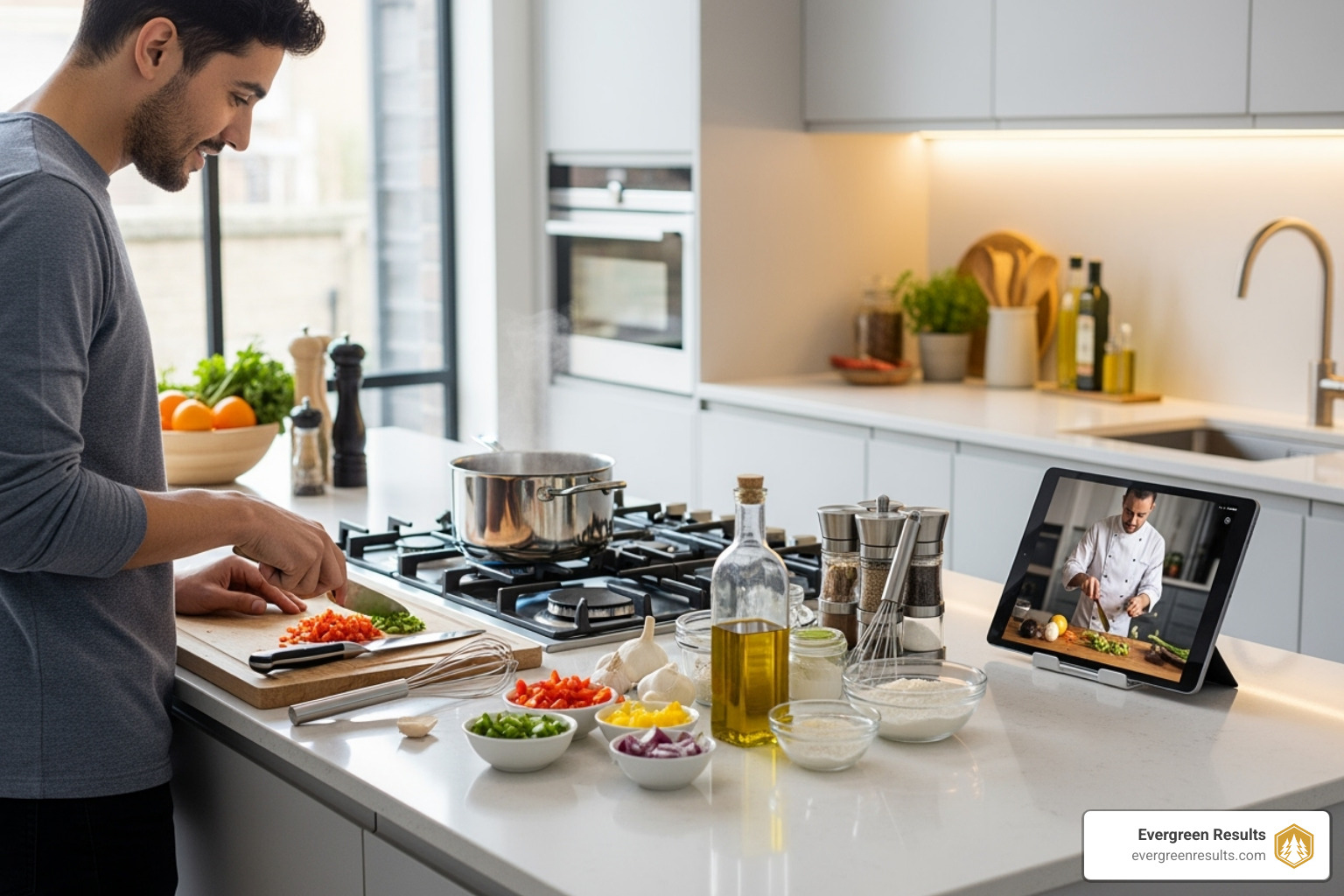
Live Q&A sessions with founders or chefs build authenticity, while educational webinars position your brand as a thought leader. With 93.2% of food industry professionals reporting virtual events as successful, these digital gatherings are a cost-effective way to create memorable shared experiences and build lasting brand loyalty in the digital marketing food industry.
Frequently Asked Questions about Food Industry Marketing
What is the most effective digital marketing channel for a new food brand?
For a new food brand, the most effective approach is to focus on channels that offer high impact with a manageable budget. We recommend starting with social media marketing and local SEO.
- Social Media (Instagram & TikTok): These platforms are highly visual, making them perfect for showcasing mouth-watering food. They allow for direct engagement, helping you build initial awareness and gather feedback.
- Local SEO & Google My Business: This strategy targets customers who are actively searching for food in your area. Optimizing your GMB profile ensures you appear in high-intent “near me” searches, driving immediate interest.
These channels provide a strong foundation before scaling into larger paid advertising campaigns.
How much should a food business budget for digital marketing?
Budgets for digital marketing food industry efforts vary, but a common guideline for small to medium-sized businesses is to allocate 7-12% of gross revenue to marketing. How you use that budget depends on your resources:
- DIY Approach: Lowest monetary cost but requires a significant time investment to learn and execute strategies yourself.
- Freelancers: A flexible option for specific tasks like content writing or social media management, often billed hourly.
- Marketing Agency: Ranges from $2,500 to $10,000+ monthly. A specialized agency provides expertise, tools, and a comprehensive strategy designed to maximize ROI, often yielding better results than managing everything in-house.
View your budget as an investment in growth, and track your results to ensure it’s working effectively.
How can a local restaurant use digital marketing to increase foot traffic?
For local restaurants, digital marketing is about turning online views into in-person visits. Here are the most effective strategies:
- Optimize Your Google My Business (GMB) Profile: This is your digital front door. Ensure your hours, menu, and photos are current. Actively encourage and respond to all reviews, as 88% of consumers are more likely to visit a business that does.
- Master Local SEO: Target keywords like “best brunch Denver” to appear in high-intent local searches.
- Use Social Media Actively: Post daily specials, behind-the-scenes content, and high-quality food photos on Instagram and Facebook to keep your audience engaged and hungry.
- Run Geotargeted Ads: Use paid ads to reach potential customers within a few miles of your restaurant, promoting lunch specials or happy hour deals.
- Build an Email List: Collect emails to send newsletters with weekly specials, events, and loyalty rewards to encourage repeat visits.
Conclusion
The digital marketing food industry has evolved into a complex ecosystem of opportunities. Success is no longer about a single ingredient but a well-balanced recipe of strategic digital efforts.
We’ve seen that social media is the new storefront, SEO is the map that guides customers to your door, and content marketing is the story that builds lasting loyalty. Nurturing these connections with email marketing provides a remarkable return on investment. Above all, building trust through transparency, authentic partnerships, and a strong reputation has become the cornerstone of a successful modern food brand.
Advanced strategies like AI-powered personalization and virtual events show that innovation is key. The digital landscape is always changing, and what works today may need a new twist tomorrow. This is why having a strategic partner who understands the unique flavor of the food industry is so valuable.
At Evergreen Results, we’ve helped dozens of food and beverage brands steer this complex digital world. We know that every brand has its own story and goals. Whether you’re a local Denver restaurant or a specialty food brand ready to scale, we bring the expertise and passion needed to cook up real results.
Ready to cook up a winning strategy? Explore our digital marketing services to see how we can help your food and beverage brand grow into something truly special.