
Why Food and Beverage SEO Can Make or Break Your Brand
Food and beverage SEO is the process of optimizing your website and content to rank higher in search results when people look for food and drink products, recipes, or dining experiences. Here’s what you need to know:
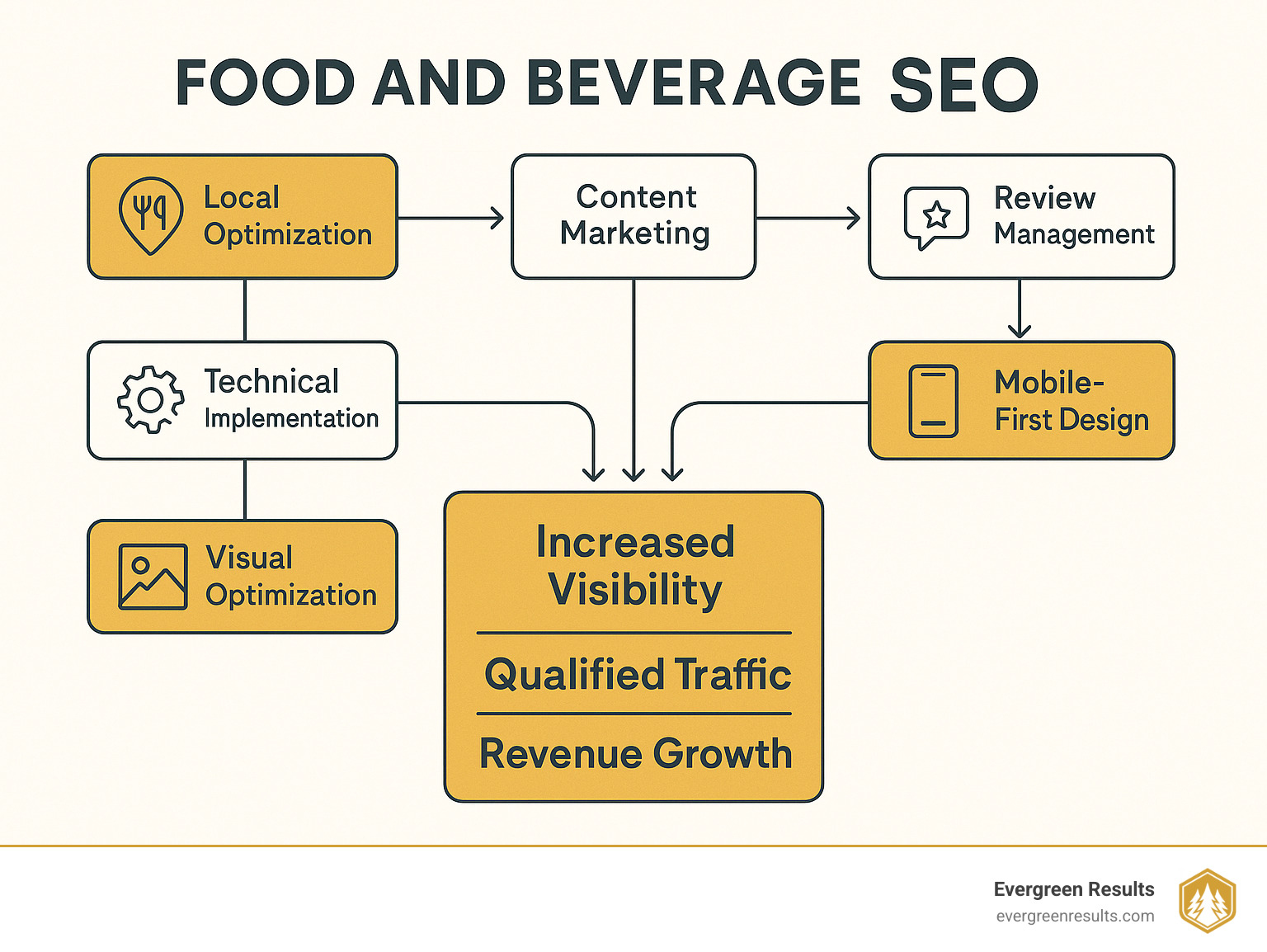
Key Food and Beverage SEO Strategies:
– Local SEO – Optimize Google Business Profile for “near me” searches
– Content Marketing – Create recipe guides, ingredient spotlights, and seasonal content
– Technical SEO – Implement recipe schema and product markup for rich snippets
– Review Management – Encourage and respond to customer reviews across platforms
– Visual Optimization – Use high-quality food photography with proper alt text
– Mobile-First Design – Ensure fast loading times for hungry mobile users
The stakes are higher than ever. More than 90% of guests research food and beverage establishments online before visiting, and 75% of users never scroll past the first page of search results. Mobile searches for “near me” phrases have grown by over 900%, making local visibility critical for success.
But here’s the challenge: food and beverage SEO isn’t just about ranking higher. You’re competing against amateur food bloggers, dealing with strict FDA regulations, managing seasonal menu changes, and trying to appeal to both B2B distributors and hungry consumers – all while maintaining mouth-watering visuals that convert browsers into buyers.
I’m Adam Bocik, founder of Evergreen Results, where I’ve helped active lifestyle brands build sustainable digital marketing foundations that drive real growth. Through my work with outdoor and wellness companies, I’ve seen how effective food and beverage SEO strategies can transform a brand’s online presence and bottom line.
Food and beverage SEO terminology:
– content strategy for wellness
– food and beverage branding
– wellness marketing strategies
What Is Food and Beverage SEO?
Think of food and beverage SEO as your secret recipe for getting found online. It’s the specialized practice of optimizing websites and content for businesses across the entire culinary landscape – from cozy neighborhood cafes to large-scale food manufacturers, craft breweries to specialty spice retailers.
The magic happens when someone types “best gluten-free pizza near me” or “organic protein powder reviews” into their search bar. Food and beverage SEO ensures your brand appears right where hungry customers and business buyers are actively looking, turning those searches into real visits and sales.
What makes this approach so powerful is how it captures the complete buyer journey. You’re reaching the restaurant manager researching new suppliers, the health-conscious parent comparing ingredient lists, and the food blogger looking for their next feature story.
How Food and Beverage SEO Differs From Generic SEO
Food and beverage SEO isn’t just regular SEO with food photos thrown in. This industry has unique quirks that require specialized strategies.
First, there’s the high visual intent. People don’t just want to read about your chocolate cake – they want to see it, almost taste it through their screen. This means recipe schema and structured data become absolutely critical for capturing those eye-catching featured snippets and recipe cards that dominate food-related searches.
Then you’ve got the shelf-life content challenge. Unlike evergreen topics that stay relevant forever, food content often has seasonal peaks or limited-time relevance. Your “summer grilling recipes” need annual refreshes, discontinued products require careful redirects, and seasonal menu changes demand constant content updates.
Regulatory compliance adds another layer that most industries don’t face. FDA and USDA requirements mean your SEO copy must walk a careful line between compelling marketing language and legally compliant claims.
Key Benefits of Mastering Food and Beverage SEO
When you nail food and beverage SEO, the results speak for themselves across multiple areas of your business.
Brand visibility expands dramatically as you capture more digital real estate. You’re not just ranking for one keyword – you’re appearing in featured snippets, local map packs, image results, and recipe carousels.
The qualified traffic improvement is particularly impressive in this space. These aren’t random browsers killing time on social media. These are people with clear intent – they’re hungry, they’re shopping, or they’re making business decisions. Our research shows that 69% of manufacturing sector leads come through organic channels.
Conversion rates tend to be higher because the intent signals are so strong. Someone searching for “keto meal delivery Chicago” is much closer to making a purchase than someone who happened to see your social media post.
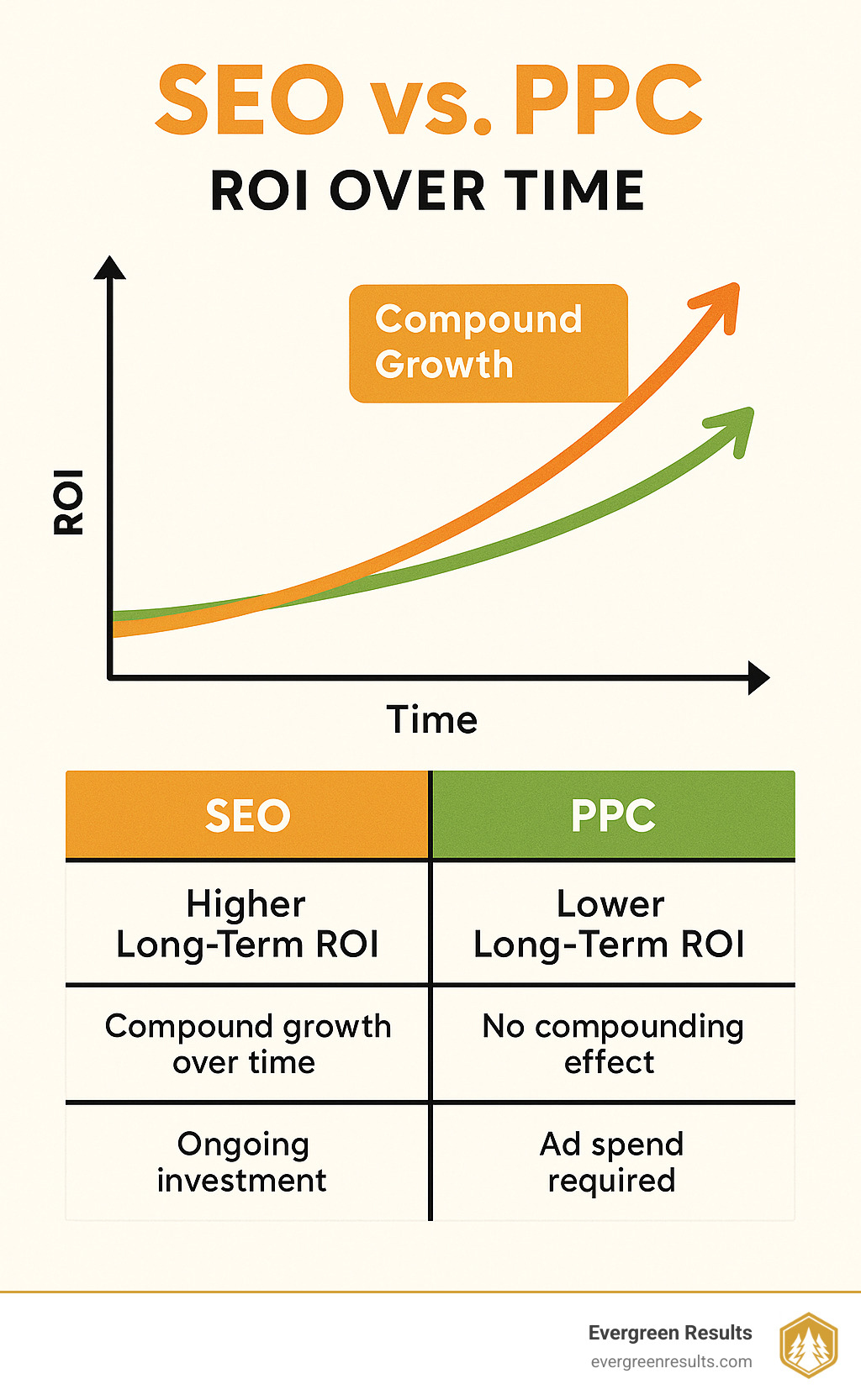
The cost efficiency becomes apparent over time. While paid advertising requires continuous investment, organic rankings compound and build momentum. A well-optimized recipe that ranks first for “easy weeknight dinner ideas” can drive consistent traffic for years without additional ad spend.
Why SEO Matters for Food & Beverage Brands Today
The digital landscape has completely transformed how people find and choose food and beverages. Today’s consumers don’t just stumble upon restaurants or food products – they actively research everything online first. More than 90% of guests research food and beverage establishments online before visiting, making your digital presence the critical first impression that determines whether someone becomes a customer.
Here’s the reality: 75% of users never scroll past the first page of search results. This creates an all-or-nothing scenario where businesses ranking on page one capture the lion’s share of organic traffic, while those on page two might as well be invisible.
Mobile behavior has created an entirely new category of opportunity. Latest research on “near me” searches reveals that mobile searches for “near me” phrases have exploded by over 900%. Picture this: someone’s walking downtown, gets hungry, and immediately pulls out their phone to search “pizza near me” or “coffee shop nearby.” If your business isn’t optimized for these micro-moments, potential customers are literally walking past your door to visit competitors who show up in their search results.
The local pack has become the new phone book. When someone searches for “Thai food Boston” or “craft brewery near me,” Google displays a prominent map with three local business listings right at the top of the results. Landing in this coveted local pack can dramatically boost foot traffic, phone calls, and online orders.
Unique Industry Challenges You Must Overcome
Food and beverage SEO isn’t just regular SEO with food photos. This industry presents specific problems that require specialized knowledge and strategies to overcome successfully.
Multiple product lines create a complex web of keyword competition within your own site. Your “organic apple juice” page might accidentally compete with your “fresh apple cider” page for similar search terms. Without proper content architecture, you end up fighting yourself instead of your competitors.
Dietary claims and health benefits walk a tightrope between effective marketing and regulatory compliance. You want to rank for valuable terms like “protein powder for muscle building,” but you must ensure your content doesn’t cross into unauthorized health claims territory.
Seasonal menu changes create ongoing content management headaches. Your summer cocktail menu needs to be updated when fall arrives, limited-time offers require careful URL management, and seasonal recipes need refreshing year after year.
Amateur blogger competition makes food and beverage SEO particularly challenging. Unlike industries dominated by corporate websites, food searches often feature passionate home cooks, recipe enthusiasts, and food bloggers who’ve been creating content for years.
Reputation management carries extra weight in this industry. A single negative review can push you out of the local pack, while a string of bad reviews can devastate your online visibility.
Core Ingredients: Winning Food and Beverage SEO Strategies
Building a successful food and beverage SEO strategy is like crafting the perfect recipe – you need the right ingredients, proper technique, and patience for the flavors to develop. After working with countless active lifestyle and wellness brands, I’ve seen what separates thriving food businesses from those struggling to get noticed online.
The secret isn’t just throwing keywords at your website and hoping something sticks. It’s about creating a comprehensive framework that builds topical authority while addressing the unique challenges your industry faces.
Your strategy needs to work across the entire customer journey. Someone searching for “what is kombucha” is at a completely different stage than someone typing “buy organic kombucha online Denver.” The beauty lies in creating content that nurtures people from curiosity to purchase, building trust and authority along the way.
The hub-and-spoke content model has proven incredibly effective for food brands. Instead of scattered blog posts about random recipes, you create comprehensive resource centers that become the go-to destination for entire topics.
Maximizing SEO for Food and Beverage Business dives deeper into building these comprehensive strategies that create lasting growth rather than temporary traffic spikes.
Flavor-Packed Keyword Research & Content Hubs
Here’s something most food brands get wrong: they focus on broad, competitive keywords that are nearly impossible to rank for. The real opportunity lies in understanding how people actually search for food and beverage information online.
Long-tail queries dominate this space because food is personal and specific. Nobody searches for just “bread” – they’re looking for “gluten-free sourdough bread recipe” or “best artisan bread bakery Denver.” These specific searches might have lower volume, but they convert like crazy because the intent is crystal clear.
Recipe keywords are absolute goldmines for driving traffic. Terms like “easy weeknight dinner recipes” or “keto dessert recipes” consistently attract engaged audiences who spend time on your site and often return for more inspiration.
Content clusters help organize all these keywords into logical groupings that build your topical authority. Here are the eight content types that consistently drive the most qualified traffic: Recipe collections that solve specific problems, ingredient spotlights that educate and inspire, seasonal menus that capture timely search volume, dietary guides for specific needs like keto or vegan, behind-the-scenes stories that build brand connection, comparison guides that help decision-making, how-to tutorials for techniques and preparation, and local food guides that capture geographic searches.
Local SEO & Google Business Profile for Food and Beverage SEO
If you have any physical presence – whether it’s a restaurant, retail location, or farmers market booth – local SEO can make or break your success. Your Google Business Profile often becomes the first impression potential customers have of your brand, so getting it right is non-negotiable.
The foundation starts with NAP consistency – your Name, Address, and Phone number must be identical across every online directory and citation. Even tiny variations like “Street” versus “St.” can confuse search engines and weaken your local authority.
Map pack optimization requires treating your Google Business Profile like a living, breathing extension of your brand. Regular posts about specials, events, or new menu items keep your profile active and give Google fresh content to index.
For multi-location brands, each location needs its own dedicated landing page targeting geo-specific keywords. Your Boulder location should optimize for “organic grocery store Boulder” while providing unique, valuable information about that specific store’s offerings.
User-generated photos make a huge difference in local search performance. Encourage customers to upload pictures of their meals, experiences, or purchases directly to your Google Business Profile.
Technical SEO & Compliance: Keeping Your Site Crawl-Friendly and Safe
Technical SEO for food and beverage websites walks a tightrope between performance optimization and regulatory compliance. Your site needs to load lightning-fast while ensuring every health claim and ingredient listing meets legal requirements.
Core Web Vitals have become genuine ranking factors, and food sites face unique challenges here. High-resolution food photography is essential for conversions, but those beautiful images can kill your page speed if not properly optimized.
Mobile speed deserves special attention because hungry people are impatient people. Someone searching for lunch options at noon isn’t going to wait five seconds for your menu to load – they’ll bounce to a competitor faster than you can say “farm-to-table.”
Structured data or schema markup creates those eye-catching rich snippets that can dramatically boost your click-through rates. Recipe schema generates recipe cards showing ratings, cooking times, and ingredient lists right in search results.
Canonical tags prevent the duplicate content headaches common with product variations. If you sell the same granola in three different sizes, proper canonicalization tells search engines these are related products rather than duplicate content.
Backlinks, Social Proof & Influencer Collabs
Building domain authority for food and beverage brands opens up unique opportunities that other industries simply don’t have. The culinary world thrives on relationships, partnerships, and community connections – all of which translate beautifully into high-quality backlink opportunities.
Your supplier relationships are goldmines for relevant, authoritative links. That organic farm where you source your wheat? Getting them to link to your bakery creates exactly the kind of contextual, relevant backlink that search engines love.
Food festivals, trade shows, and industry events generate fantastic links from authoritative event websites and industry publications. These links carry extra weight because they’re difficult for competitors to replicate and demonstrate genuine industry involvement.
Google reviews serve double duty – they boost your local search rankings while providing the social proof that influences purchasing decisions. Restaurants and food businesses with higher review volumes and ratings consistently outperform competitors in local search results.
Influencer collaborations in the food space create authentic content that resonates with target audiences while building domain authority. Partnering with food bloggers, nutritionists, or local food personalities generates both backlinks and social signals that strengthen your overall SEO performance.
Measuring Success, Timeline, Budget & Pitfalls
Measuring food and beverage SEO success goes beyond vanity metrics – you need to track what actually moves the needle for your business. The most successful food and beverage brands focus on a balanced KPI dashboard that tells the complete story of their organic performance.
Your analytics setup should capture organic traffic growth, but dig deeper into the data. Look at which landing pages convert best, what devices your customers use most, and where your traffic comes from geographically. A restaurant might find that 80% of their organic traffic comes from mobile users within 10 miles – that’s actionable intelligence.
Google Analytics and Search Console form your foundation, but don’t stop there. Track keyword ranking improvements for your strategic clusters, monitor local search visibility in Google Business Profile insights, and most importantly, measure conversions and revenue attribution.
Timeline expectations need to be realistic. You might see initial improvements within the first month after implementing on-site optimizations, but meaningful food and beverage SEO results typically take 4-12 months. Google themselves say SEO generally requires 4-6 months to demonstrate significant results.
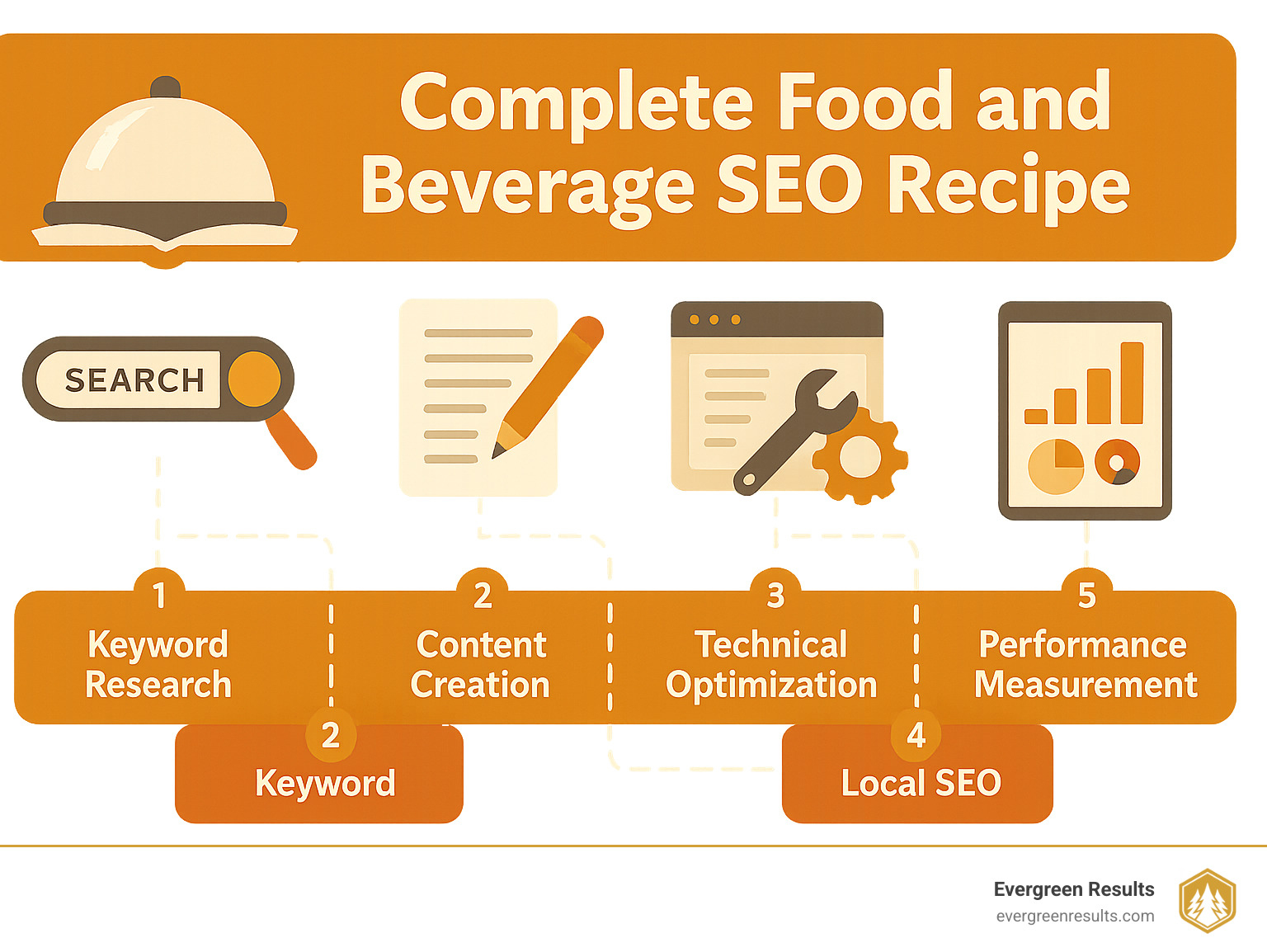
Budget planning for comprehensive food and beverage SEO campaigns typically ranges from $1,500-$2,500 monthly. This covers keyword research, content creation, technical optimization, and ongoing monitoring. Considering that the average food and beverage company spends 24% of revenue on marketing, SEO’s compound long-term ROI makes it an attractive investment.
Market Research for Food and Beverage Co. provides additional insights into budgeting and resource allocation that can help you make informed decisions about your marketing investments.
The most common pitfalls include keyword stuffing in product descriptions, neglecting mobile optimization, ignoring local SEO opportunities, and failing to update seasonal content regularly. Many brands also underestimate how much review management and user-generated content impact their local search rankings.
Frequently Asked Questions about Food and Beverage SEO
How long until I see results?
The timeline for food and beverage SEO results depends on where you’re starting and how competitive your market is. Think of it like growing a garden – some changes sprout quickly while others need time to take root.
You’ll likely notice initial improvements within 4-6 weeks, especially from technical fixes like faster page loading or better mobile optimization. These quick wins often include better local search visibility or improved Google Business Profile performance.
The real organic traffic growth and keyword ranking improvements typically show up after 4-6 months of consistent effort. This is when your content starts gaining authority and search engines begin trusting your site as a reliable source for food and beverage information.
If you’re starting with a brand new website or have limited online presence, expect 6-12 months before you can effectively compete against established players in your space.
What does food and beverage SEO cost?
Professional food and beverage SEO services typically run $1,500-$2,500 monthly for comprehensive campaigns that actually move the needle. This investment covers keyword research and competitive analysis, technical SEO audits and fixes, content creation and optimization, local SEO management, and ongoing strategy adjustments.
Smaller restaurants or local food businesses might start with basic packages around $1,000 monthly, focusing primarily on local search optimization and Google Business Profile management.
Enterprise brands with multiple locations or extensive product catalogs often invest $5,000+ monthly for comprehensive strategies that address complex site architecture, multiple target audiences, and competitive markets.
The ROI typically justifies the investment within 6-12 months as organic traffic and conversions increase. Unlike paid advertising where you stop getting results the moment you stop paying, SEO benefits compound over time.
How do I balance B2B and B2C keyword targets?
Many food and beverage brands serve both business customers and individual consumers. This dual audience creates unique keyword strategy challenges, but it’s absolutely manageable with the right approach.
B2B keywords typically include terms like “wholesale,” “bulk,” “commercial,” or “restaurant supply.” These searches have lower volume but higher value per conversion.
B2C keywords focus on consumer benefits, recipes, and local searches like “gluten-free bakery near me” or “best protein powder for smoothies.” These generate higher traffic volumes but may have lower individual transaction values.
The solution is creating separate content hubs for each audience while maintaining clear site architecture. Use subdirectories like “/wholesale/” for B2B content and “/recipes/” for consumer content.
Create dedicated landing pages targeting commercial intent keywords for your B2B audience, while developing recipe collections, ingredient guides, and local content for consumers.
Conclusion & Next Steps
Building a successful food and beverage SEO strategy isn’t just about following a checklist – it’s about understanding that your industry has its own unique flavor. From navigating FDA regulations while optimizing for “healthy breakfast bars” to competing with passionate home cooks who’ve been blogging for years, the culinary space demands specialized expertise.
The brands that truly succeed accept what makes food marketing different. They understand that people eat with their eyes first, so visual optimization isn’t optional. They know that “near me” searches happen when someone’s stomach is growling at 9 PM, making local SEO absolutely critical. Most importantly, they build genuine authority by sharing knowledge that actually helps people cook better, eat healthier, or find amazing flavors.
Whether you’re running a cozy neighborhood bistro hoping to capture more local searches or launching a national CPG brand competing for shelf space, the fundamentals stay the same. Know your audience inside and out. Create content that genuinely serves them. And optimize for real humans, not just search engine robots.
At Evergreen Results, we’ve made it our mission to help active lifestyle and food/beverage brands grow sustainably. We get excited about your industry because we understand the passion behind great food and authentic brands. We’ve seen how the right SEO strategy can transform a local favorite into a regional success story, or help a specialty product find its perfect customers nationwide.
Your next step is crafting a comprehensive SEO roadmap that fits your specific situation. This means diving deep into keyword research that uncovers what your customers actually search for. It involves auditing your website’s technical foundation to ensure it loads fast on mobile devices. You’ll need to claim and optimize your Google Business Profile so local customers can find you easily. And you’ll want to develop content that positions you as the go-to authority in your niche.
Food and beverage SEO isn’t a “set it and forget it” recipe. It’s more like tending a garden – consistent care and attention yield the best harvest. The brands that commit to ongoing optimization, regular content creation, and staying current with technical best practices are the ones that maintain their competitive edge.
Ready to transform your online presence? Food and Beverage Marketing: A How-To Guide to Success offers even more strategies for building marketing campaigns that create lasting connections with your audience.
The ingredients for SEO success are right in front of you. Now it’s time to roll up your sleeves and start cooking up results that will satisfy both search engines and your hungry customers.