
Why User Generated Content Images Are Changing Digital Marketing
User generated content (UGC) images are photos created and shared by your customers, showing real people using your products in authentic, real-world settings.
Key facts about user generated content images:
- 88% of consumers want to see authentic product photos before buying.
- UGC images are proven to lift conversion rates and increase average order value.
- They build more trust than traditional stock photos or brand-created content.
- Customer photos reduce e-commerce returns by setting accurate expectations.
- UGC galleries can increase conversions by 19%, as seen with brands like CLUSE.
What makes UGC images different:
- Created by customers, not brands.
- Show products in authentic, unfiltered settings.
- Feature diverse people, lifestyles, and use cases.
- Cost nothing to produce, as customers create them voluntarily.
- Generate higher engagement than professional photography.
For active lifestyle brands, user generated content images are especially powerful. When potential customers see real hikers wearing your gear on actual trails, it creates an immediate connection that staged photography can’t match.
I’m Adam Bocik, founder of Evergreen Results. I’ve helped dozens of active lifestyle brands scale their digital presence with authentic marketing. Over the past decade, I’ve seen how UGC images consistently outperform traditional brand photography in driving engagement and sales for outdoor, fitness, and wellness companies.
Introduction: The Shift to Authentic Visuals
Imagine scrolling through Instagram and seeing two posts: one shows a professional model in perfect lighting holding a protein shake, and the other shows a sweaty runner, post-workout, genuinely excited about the same shake. Which one is more compelling?
If you’re like most people, it’s the second one. That’s why user generated content images are changing how brands connect with their audiences.
Today’s consumers can spot a staged photoshoot from a mile away and are tired of overly polished brand messaging. When someone sees a photo from an actual customer—someone who looks and lives like them—it creates an instant connection that professional photography can’t replicate.
For active lifestyle and food brands, this means a trail runner showing off muddy hiking boots, friends laughing over craft beers at a campsite, or a home cook sharing their delicious creation. These aren’t just pretty pictures; they’re real stories from real people, and they carry more weight than traditional marketing.

This shift toward authentic visuals is a fundamental change in how people make buying decisions. When potential customers see your product in someone’s everyday life, it builds trust, drives engagement, and leads to better conversion rates. It’s the difference between being told something works and seeing proof that it does.
At Evergreen Results, we’ve seen that companies embracing authentic, customer-created content aren’t just keeping up; they’re building genuine communities and creating marketing that resonates. Your customers’ voices will always be more powerful than your own.
Why UGC Trumps Traditional Stock Photography
User generated content images consistently outperform polished stock photography because they build trust. When a potential customer lands on your product page, they’re looking for reassurance that what you’re selling works in the real world, not just under studio lighting.
The data is clear: 88% of consumers want to see authentic product photos before making a purchase. They are essentially telling you: “Show me how this product looks when someone like me uses it.”
For active lifestyle and food/beverage brands, this authenticity is even more critical. A stock photo of a model pretending to hike doesn’t inspire confidence. But a real customer’s selfie from the summit, wearing your gear? That’s the kind of proof that moves the needle. This visual social proof helps brands build deeper relationships with their audience, a topic we explore in our article on Connecting Audience Tips Social Marketing.
UGC vs. Stock Photos: A Head-to-Head Comparison
Here’s where UGC photos pull ahead of traditional stock photography:
| Feature | User Generated Content Images | Traditional Stock Photos |
|---|---|---|
| Authenticity | High. Real people, real situations, often unedited. | Low to Medium. Often staged, generic, and can feel artificial. |
| Trust | Very High. Consumers trust peers more than brands. | Low to Medium. Perceived as commercial, less credible. |
| Cost | Low to None. Customers create and share voluntarily. | High. Licensing fees, subscription costs, or professional photography expenses. |
| Engagement | High. Relatable, inspiring, and encourages interaction. | Low. Can be overlooked due to lack of originality or personal connection. |
| Conversion Potential | Very High. Drives sales by building confidence and setting realistic expectations. CLUSE saw a 19% increase in conversions. | Low to Medium. May fill a visual gap but rarely drives strong conversion on its own. |
| Diversity | Naturally diverse in people, settings, and use cases. | Can be limited or feel forced in its representation. |
| Relatability | Extremely High. Shows products in real-world scenarios that customers can envision themselves in. | Often aspirational but can feel distant from everyday customer experiences. |
Stock photos might fill space on your website, but they rarely inspire action. They’re the visual equivalent of elevator music—present, but forgettable.
The Core Benefits: Trust, Engagement, and Conversions
The power of UGC visuals directly impacts your brand’s success in three critical areas.
Trust forms the foundation. When shoppers see authentic photos from real customers, it’s no longer just your brand making claims—it’s their peers vouching for you. That kind of authenticity can’t be faked.
Engagement naturally follows trust. Authentic visuals spark conversations. A customer photo of someone conquering a challenging hike in your gear doesn’t just showcase a product; it tells a story that others want to be part of, turning casual buyers into loyal advocates.
Conversions are where it all comes together. User-generated photos and videos are proven to lift conversion rates, increase average order value, and reduce e-commerce returns. When customers see how a product performs in the real world, they make more confident purchase decisions. CLUSE Watches proved this with a 19% increase in conversions after adding a UGC gallery to their product pages.
Photos vs. Videos: Which Is More Effective?
The debate between UGC photos and videos isn’t about picking a winner—it’s about understanding when each format shines.
UGC photos are your workhorses. They’re quick to consume, easy to integrate into product pages, and won’t slow down your website. A customer can glance at a photo and instantly understand how your product looks in context. They are also easy for customers to create and share spontaneously.
UGC videos bring dynamic energy. They excel at showing your products in action—how a backpack sits during a hike or how a smoothie powder blends. Videos create emotional connections through movement and storytelling that static images can’t match, dominating engagement on platforms like Instagram Reels and TikTok.
The smartest approach is to use both strategically. Photos work well for product galleries and quick social proof, while videos create deeper emotional moments on social platforms. For more on balancing content types, see our insights on Engaging Social Media Content. Photos and videos aren’t competitors; they’re teammates in your UGC strategy.
A Guide to Different Types of User Generated Content Images
UGC photos come in many forms, each offering unique opportunities to build community and drive sales. For active lifestyle and food/beverage brands, strategically integrating these types across the customer journey is key to creating a dynamic and relatable e-commerce experience.

These visuals are about more than showcasing products; they’re about fostering genuine connections and encouraging social media brand engagement. See our tips for Social Media Brand Engagement to learn how these visuals can amplify your efforts.
Let’s explore the most effective types of UGC photos.
1. Customer Review Photos
These are pictures submitted by customers alongside their written reviews, offering tangible proof of product satisfaction.
Why they’re effective:
- Product Visualization: They help buyers visualize the product in real-world settings and on diverse body types.
- Social Proof: Seeing other satisfied customers provides undeniable social proof, validating the product’s quality.
- Real-world Use: For active lifestyle brands, this means seeing your gear in action on a real person.
Example: Maternity clothing brand Boob Design uses customer review photos to show how their clothes fit real women at different stages of pregnancy, providing comfort and confidence to potential buyers.
2. Shoppable UGC Galleries
Imagine a gallery on your website filled with authentic customer images, where each photo is directly linked to the products featured, allowing visitors to click and buy instantly. That’s the magic of shoppable UGC galleries.
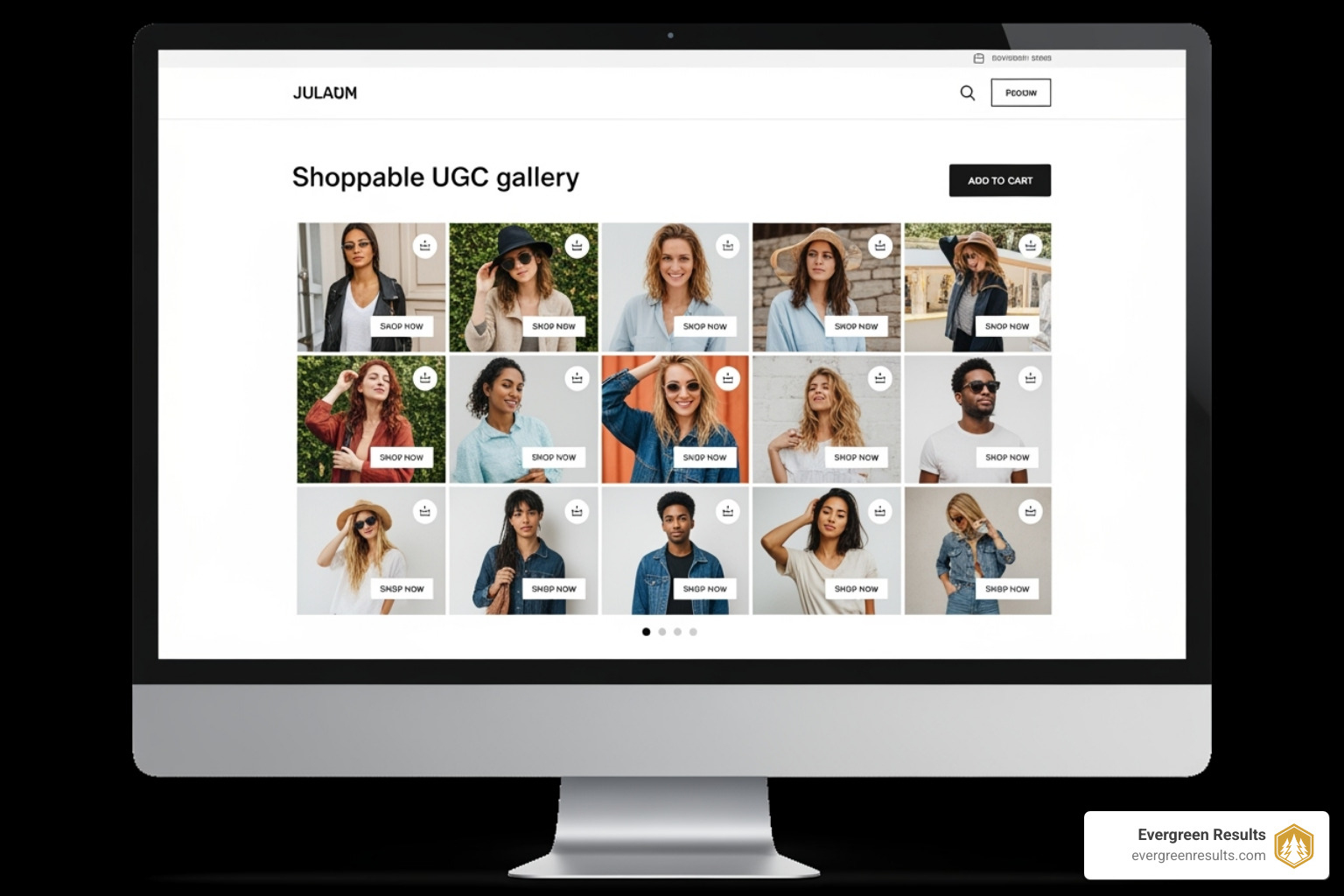
Why they’re effective:
- Website Integration: These galleries can be seamlessly integrated onto homepages, product pages, and dedicated lookbook sections.
- Conversion Rate Optimization: By making inspiration shoppable, you reduce friction in the buying journey. CLUSE Watches saw a 19% increase in conversions after adding a UGC gallery to their site.
- Increased Sales: Brands like Maquillalia, ScS, and ICIW all leverage shoppable galleries to inspire purchases and streamline the path to conversion.
- Inspiration and Visualization: For items like furniture or paint, UGC galleries help customers visualize how products will look in their own homes.
3. Hashtag Campaigns
Hashtag campaigns are a fantastic way to encourage and collect UGC from your community on platforms like Instagram and TikTok.
How they work:
- Branded Hashtags: Create a memorable hashtag (e.g., #OurBrandAdventures) and promote it across all channels.
- Community Building: Customers use the hashtag when sharing photos, creating a searchable feed of authentic content.
- Content Sourcing: This makes it easy to find and repurpose content created by your fans.
Example: Purple, the mattress company, encourages customers to use their #sleeppurple hashtag, generating a wealth of imagery showing real people enjoying their products. Other brands incentivize participation with giveaways or direct upload options on their websites.
4. UGC in Advertisements
Beyond organic social media, customer photos can be incredibly effective in paid social ads. Their authenticity cuts through the noise of traditional advertising.
Why they’re effective:
- Authenticity in Ads: Consumers trust ads featuring real people more than professional models, improving ad recall and click-through rates.
- Ad Creative: UGC provides a constant stream of diverse ad creative for A/B testing without the high cost of photoshoots.
- Carousel Ads: Instagram Carousel ads featuring a variety of customer photos are highly effective for showcasing multiple products or features.
Example: ILIA Beauty uses Instagram Carousels with customer photos to showcase diverse skin tones and real-world application, making their products feel more accessible.
How to Build a Successful UGC Strategy
A thriving UGC strategy requires intention, planning, and genuine care for your community. For active lifestyle and food/beverage brands, this means creating an authentic content strategy, establishing clear guidelines, and practicing thoughtful community management. This approach helps serve up engaging content that truly resonates. For more insights, check out our guide on Serving Up Content Social Media.
Encouraging Customers to Share Content
Most customers won’t share photos or videos of their experience unless you give them a reason or simply ask. Your job is to make sharing feel natural, rewarding, and fun.
- Contests and Giveaways: Spark participation by offering relevant prizes with a low barrier to entry. Liftdown offers free beanies to customers who tag them, building excitement and rewarding their community.
- Branded Hashtags: Use a simple, memorable hashtag like Purple Mattress’s #sleeppurple as a digital collection point. Promote it on packaging, emails, and social media to build a community hub.
- Email Campaigns: Send a friendly post-purchase email asking customers to share their experience once they’ve had time to enjoy the product.
- Post-purchase Follow-ups: A small card in your packaging with your hashtag and a thank you can prompt customers to share their unboxing or first use.
- Featuring Customers: Publicly featuring a customer’s photo on your feed or product page is a powerful motivator. It provides recognition and inspires others to share, hoping for the same spotlight.
Best Practices for Sourcing and Using UGC
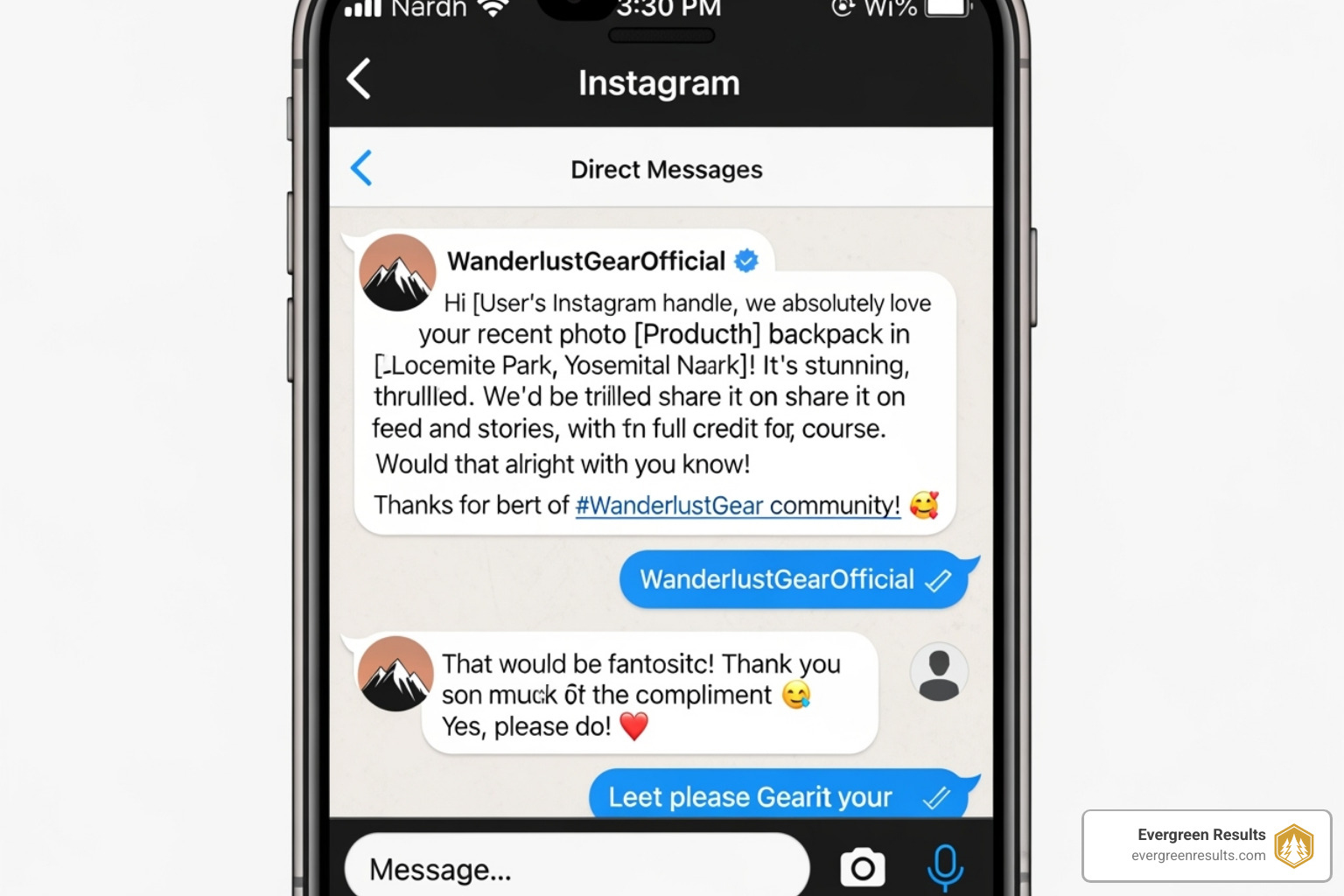
Using customer photos requires respect and proper procedure. Using photos without permission is legally risky and damages the trust you’ve built with your community.
- Always Ask for Permission: Before you repost or use any customer photo, get explicit permission from the creator via a direct message or comment.
- Clarify Usage Rights: Be clear about how you plan to use the content, especially for paid ads or your website. This protects both you and the creator.
- Give Creator Credit: Always tag the original creator’s social media handle. This recognition is often the reward they’re seeking and shows you value your community.
- Provide Clear Guidelines: In campaigns, let people know what kind of content you’re looking for and what the terms are to prevent misunderstandings.
- Consider Ethical Dimensions: Just because you have permission doesn’t mean you should use it. Ensure the content aligns with your brand values and won’t misrepresent your product or embarrass the creator.
Moderating and Curating for Quality and Authenticity
Once UGC starts rolling in, you must decide what to feature. Smart curation maintains quality while preserving the authentic feel that makes UGC powerful.
- Brand Alignment: Your first filter should be whether the content reflects your brand’s values. For active lifestyle brands, look for images that embody adventure and authentic experiences.
- Quality Control: You’re not looking for professional photos, but images should be clear enough to see the product and free of offensive content. A slightly grainy photo of a genuine moment is better than a blurry, unusable one.
- Curation Tools: For high volumes of content, UGC platforms can help collect, organize, moderate, and manage rights efficiently.
- Maintain Authenticity: Resist the urge to heavily edit customer photos. Light adjustments are fine, but don’t polish away the genuine feel. The imperfections are features, not bugs.
- Handle Negative Feedback: If criticism appears in UGC, engage with the customer directly to address their concerns. This shows your community that you care about real experiences, not just positive publicity.
Measuring Success and The Future of Visual UGC
If you can’t measure it, you can’t improve it. To optimize your UGC strategy, you must track the right metrics to prove ROI and refine your approach. This data-driven method ensures you’re not just creating engaging content—you’re driving real business results. For more insights, check out our guide on how to Optimize Content for Social Media.
How to Measure the ROI of Your UGC Campaigns
Measuring the success of UGC means looking at tangible business outcomes, not just vanity metrics.
- Conversion Tracking: Are customer photos turning browsers into buyers? Track conversions on pages featuring UGC. A 19% increase in conversions, like CLUSE saw, is the kind of concrete ROI to aim for.
- Engagement Metrics: On social media, track if UGC posts get more likes, comments, and shares than branded content. On your website, see if UGC galleries increase time on page.
- Click-Through Rates (CTR): In paid campaigns, compare the CTR of UGC ads to traditional brand ads. Authentic customer photos typically perform much better.
- Website Analytics: See how UGC impacts bounce rates and pages per session. Also, track if UGC helps increase average order value and reduce e-commerce returns.
- Promo Codes: If you use unique promo codes to incentivize UGC, tracking their redemption gives you a direct line to conversions.
- Brand Sentiment: Monitor brand mentions to gauge how UGC impacts overall brand perception and customer loyalty.
The Role of AI in the UGC Landscape
The intersection of AI and UGC visuals is powerful, but it’s important to distinguish between AI’s role and UGC’s purpose. AI-generated images lack the genuine human experience that makes UGC effective. You can’t fake the smile of a real customer enjoying your product.
However, AI has an important supporting role to play in UGC strategies:
- AI Content Moderation: When dealing with high volumes of submissions, AI can quickly filter out inappropriate, off-brand, or low-quality content, freeing up your team to focus on curation.
- Smart Tagging and Categorization: AI can automatically tag submitted photos with relevant keywords, product names, or activities. This makes creating personalized galleries incredibly efficient.
- Trend Analysis: AI tools can identify emerging patterns within your UGC, showing you what resonates most with your audience and informing future content and product strategies.
- Personalized Recommendations: AI can analyze user preferences to serve up customized UGC galleries, creating a more engaging and relevant shopping experience.
While creative professionals are already using generative AI tools, the goal is to use AI to amplify the authentic voices of your customers, not replace them. Technology should help scale human authenticity, not create synthetic substitutes.
Conclusion: Make Authenticity Your Strongest Asset
In a world saturated with polished ads, authenticity is essential. User generated content images are more than free marketing material; they are proof that real people trust your brand enough to share their experiences.
We’ve seen how UGC photos build trust, spark engagement, and drive measurable results, like a 19% increase in conversions. They can lift average order value, reduce returns, and create the kind of social proof that no professional photoshoot can replicate.
For active lifestyle and food/beverage brands, this connection is immediate and powerful. These authentic moments can’t be staged—they have to be earned through great products and genuine customer relationships.
At Evergreen Results, we help active lifestyle and food/beverage brands harness this power. We know that a thriving UGC strategy is about fostering a community and letting your customers’ authentic experiences become your brand’s most compelling narrative.
The beauty of UGC is that it creates a virtuous cycle: happy customers share, which builds trust with new customers, who then become advocates. This sustainable approach aligns perfectly with brands that value community over hollow metrics.
Your customers’ voices are more powerful than any marketing message you could craft. Their stories, captured in authentic images, are your strongest asset.
Ready to transform your visual marketing strategy and let your community’s authentic stories drive your growth?