
Why Wellness Marketing Strategy Matters More Than Ever
A wellness marketing strategy is your blueprint for connecting with health-conscious consumers in a booming market. Here’s what you need to know:
Core Elements of an Effective Wellness Marketing Strategy:
- Authenticity and transparency – 86% of consumers believe authenticity is vital when choosing brands
- Educational content – Build trust through valuable, science-backed information
- Community building – Foster connections around shared wellness values
- Personalized experiences – Tailor your approach to individual health journeys
- Multi-channel presence – Integrate SEO, social media, email, and content marketing
The numbers tell the story: the global wellness market is valued at over 6.3 trillion dollars and growing. With 82% of US consumers considering wellness a top priority, brands that master wellness marketing are positioned to capture massive market share.
The challenge? Wellness marketing is different. You’re not just selling products; you’re joining a personal health journey. This requires building trust and creating authentic connections that transcend traditional advertising.
Experience in scaling purpose-driven companies has shown that the most successful wellness marketing strategy combines authentic storytelling with data-driven tactics to build lasting customer relationships.
Know your wellness marketing strategy terms:
- content strategy for wellness
- health and wellness SEO
Building the Foundation: Authenticity, Trust, and Brand Identity

In wellness marketing, you aren’t just selling a product; you’re becoming part of a deeply personal health journey. This responsibility demands genuine trust. When a consumer chooses your brand, they’re saying, “I trust you to help me feel better.” This power means every part of your wellness marketing strategy must reflect authenticity and transparency.
Research shows that 86% of consumers believe authenticity is vital when deciding which brands to support. In wellness, where consumers are savvy about empty promises and greenwashing, being transparent about your mission, values, and what truly sets you apart is non-negotiable.
Building credibility also means backing up your claims with science. Today’s wellness consumers want solutions grounded in real evidence. When you highlight research, showcase expert endorsements, and demonstrate tangible benefits, you build the kind of trust that creates lasting customer relationships.
This is especially true for brands in the active lifestyle space. Whether you’re helping outdoor enthusiasts find better gear or promoting healthier food choices, your approach needs to come from a place of genuine care. For brands looking to establish this authentic presence, outdoor branding strategies can help create that essential connection.
Define Your Unique Brand Voice
Your brand voice is where authenticity comes to life. It’s not just a clever logo or tagline; it’s about clearly communicating your core values and unique selling proposition in a way that resonates emotionally with your audience.
Start by getting clear on what makes you different. What pain points do you solve that others don’t? How do you address your target audience’s wellness challenges in a way that feels genuinely helpful?
Perhaps you’re a wellness clinic with an eco-conscious approach or a nutrition brand focused on whole foods without complicated jargon. Your unique angle must shine through in all content, social media, and customer interactions. The key is consistency. When your messaging stays true to your core values across all channels, you create an emotional connection that turns casual browsers into loyal customers.
Showcase Credibility and Social Proof
Once you’ve defined your authentic brand voice, you need to prove you can deliver. This is where social proof becomes your best friend. A staggering 79% of consumers trust online reviews as much as personal recommendations.
Customer testimonials are pure gold. When someone shares how your product helped them sleep better or manage stress, that’s authentic validation money can’t buy. Make it easy for happy customers to leave reviews.
User-generated content takes this a step further. When customers post photos using your products or share their wellness wins, they create authentic content that resonates far more than any polished ad. That triumphant post-workout selfie is marketing magic.
Don’t forget expert endorsements and certifications. When recognized authorities endorse your products or you earn certifications from respected organizations, you build credibility that overcomes customer doubts.
Social proof creates a positive feedback loop. More credibility leads to more trust. More trust leads to more success stories. And more success stories attract new customers seeking the same results.
Core Digital Channels for Your Wellness Marketing Strategy
Your wellness marketing strategy must live where your customers are: online. Whether they’re researching “best meditation apps” at dawn or scrolling for fitness inspiration at lunch, your brand needs to be present with the right message at the right moment.

Digital wellness marketing mirrors the modern health journey: research, connection, and seeking advice. Your digital presence should be a natural extension of this process, not an interruption. This means taking an omnichannel approach where your SEO, content, social media, and email campaigns work together. When someone finds you through search, engages on social media, and receives your email newsletters, they experience a cohesive brand story that builds trust.
Mastering SEO for a Winning Wellness Marketing Strategy
Organic search drives 53% of website traffic, making it the most important way people find new wellness brands. When someone types “natural anxiety relief” into Google, you want to be the helpful answer they find.
SEO for wellness brands is about being genuinely useful to people seeking health solutions. A strong Health and Wellness SEO approach focuses on understanding what your audience is actually searching for.
Keyword research is your roadmap to customer needs. People might search for “how to reduce stress naturally,” so we optimize for their language, not yours. Local SEO is powerful for businesses with physical locations—when someone searches “nutritionist near me,” you want to be right there. Technical SEO also serves the user experience. Mobile-first design ensures your site works perfectly on phones, where most health searches happen. Page speed and smooth navigation mean visitors can quickly find what they need, which search engines reward with better rankings.
The Power of Content in Your Wellness Marketing Strategy
Content marketing is where wellness brands shine because you’re sharing knowledge that improves people’s lives. Businesses that publish blogs get 67% more leads, but in wellness, great content does something more valuable: it builds authority and trust.
Think about your own health journey. You likely researched, read articles, and watched videos before buying. You wanted to understand the why, not just the what. That’s the role educational content plays.
Blogging lets you address your customers’ most common questions. Video marketing brings concepts to life, from demonstrating exercises to sharing success stories. Podcasts offer an intimate way to dive into wellness topics, while how-to guides provide immediate, actionable value.
A solid Content Strategy for Wellness ensures every piece of content serves your audience’s journey while guiding them toward your solutions. When you consistently provide value, you become the trusted resource people turn to when they’re ready to buy.
Engaging Communities on Social Media
Social media is where wellness comes alive. It’s where people share fitness milestones and seek support. For wellness brands, social media is about community building around shared values.
Instagram and TikTok are go-to platforms for wellness, but success hinges on authentic connection, not perfection. Peloton, for example, does this exceptionally well by showcasing real member achievements in a supportive community.
Interactive content like polls or live Q&As with experts creates genuine engagement. People want to feel heard and supported. Social listening is also valuable, as it allows you to join organic conversations helpfully rather than intrusively.
The same community-building principles apply to active lifestyle brands. The key is showing up consistently with content that serves your community, celebrates their wins, and provides encouragement. When you do this authentically, your social media becomes a resource people seek out.
Advanced Strategies to Lift Your Wellness Brand
With a solid foundation, advanced strategies can lift your wellness marketing strategy. These are the ingredients that transform a good brand into one customers rave about. These approaches focus on deeper connection, broader reach, and personalized experiences that move beyond basics to feel more like genuine care.
The Personal Touch: Hyper-Personalization in Wellness
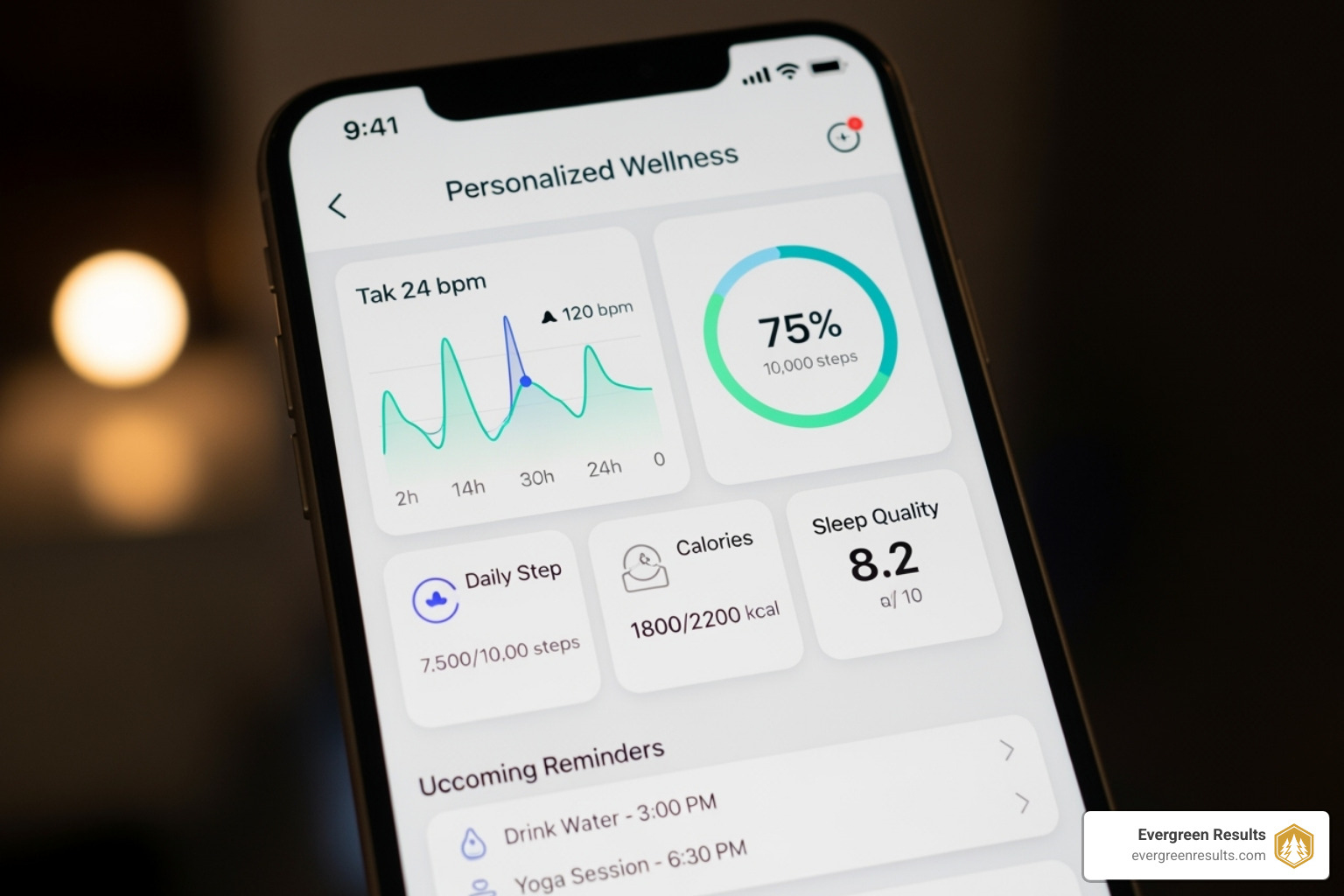
Today’s consumers, especially Gen Z, expect personalisation as the standard. They don’t want generic wellness advice; they want solutions for their unique journey.
This is where your wellness marketing strategy can shine. Imagine offering customized workout routines based on fitness levels or personalized meal suggestions for dietary restrictions. It’s like having a personal wellness coach available 24/7.
Segmented communication is where the magic happens. Instead of one-size-fits-all emails, you craft messages for different audience groups. Research shows that segmented email campaigns generate 18% more revenue than non-segmented ones. That’s game-changing growth.
The key is using data-driven insights to understand customer needs. When someone engages with your yoga content but ignores running posts, use that information to offer custom product recommendations that help them reach their goals. This personalization makes customers feel seen, changing your brand into a trusted partner on their health journey. Email marketing strategies for outdoor brands often emphasize this personalized approach to retain customers.
Amplifying Your Message with Influencers and Partnerships
In wellness marketing, trust is everything. This is where influencer partnerships become powerful. 49% of consumers rely on influencer recommendations when making purchasing decisions.
What many brands get wrong is chasing celebrity endorsements. Micro-influencers and Key Opinion Leaders with smaller, highly engaged audiences can be more effective. These are people who have built genuine communities around topics your audience cares about.
The secret is value alignment. Partner with influencers whose values genuinely match your brand’s mission, so the content feels natural and authentic. Strategic collaborations can take many forms, from co-branded products to joint wellness challenges. The goal is to expand your reach while building credibility through voices your audience already trusts.
Don’t overlook in-person experiences. Real-world moments like yoga sessions in local parks or wellness workshops drive word-of-mouth momentum that digital marketing alone can’t achieve. An active lifestyle marketing approach focuses on finding these authentic partnership opportunities.
Nurturing Relationships with Email and SMS
Email and SMS remain the workhorses of wellness marketing. They are your direct line to your audience, free from algorithms and platform changes.
Lead nurturing through email is like tending a garden. A thoughtful welcome series introduces new subscribers to your brand, followed by valuable content that builds trust. Marketing automation makes this powerful. For example, someone who downloads a meal planning guide could automatically receive a healthy recipe series.
Exclusive offers and event reminders make subscribers feel like VIPs, rewarding their loyalty. SMS marketing adds an immediate, personal touch for appointment reminders, flash sales, or quick wellness tips. The key is using it sparingly and making every message valuable.
Experience shows that when these channels are used strategically with personalization, they become powerful tools for building lasting customer relationships.
Measuring Success and Embracing Future Trends
An effective wellness marketing strategy requires continuous learning, adapting, and optimizing. Like training for a marathon, you must track your progress, adjust your approach, and stay focused on your goals.

To understand our impact, we must define Key Performance Indicators (KPIs) that align with our goals. Are we building brand awareness, boosting sales, or creating community? The metrics we track should tell that story.
Website traffic shows how many people find us, while conversion rates reveal how many take action. Social media engagement tells us if our content resonates, and email open rates indicate if our messaging hits the mark. Most importantly, Customer Lifetime Value (CLV) helps us understand the long-term relationship we’re building. When we track these metrics, we can make smart, data-driven decisions. A well-optimized campaign can yield a 200% ROI, but only if we’re measuring what matters.
The wellness market is projected to reach nearly $9 trillion by 2028, and several exciting trends are shaping its future.
- Mindfulness and mental health have moved from nice-to-have to essential as more people seek balance.
- Sustainability is a business imperative. Products marketed as sustainable grew 2.7 times faster than those that were not. Consumers want brands that align with their values.
- Technology integration is revolutionizing wellness. Digital fitness tools have seen over 30% growth since 2021, and AI-powered apps are making personalized health guidance accessible.
- Inclusive wellness recognizes that one size doesn’t fit all. Successful brands create products and marketing that speak to diverse audiences authentically.
By embracing these trends and analyzing our performance, we ensure our wellness marketing strategy stays relevant and impactful. The wellness industry moves fast, but with the right tools and trend awareness, we can stay ahead of the curve.
Frequently Asked Questions about Wellness Marketing
I get these questions a lot from wellness brands. The wellness space can feel overwhelming, but these answers should help clear up common confusion.
What is the most effective marketing channel for wellness brands?
There’s no single magic bullet. The most effective strategy is an integrated approach.
- SEO builds your foundation by capturing active searchers.
- Content marketing builds essential trust and authority.
- Social media fosters a supportive community.
- Email and SMS nurture customer relationships over time.
Success lies in using these channels together to meet your specific audience where they are with consistent, helpful messaging.
How can a new wellness brand build trust quickly?
Building trust requires transparency and value. Start with:
- Radical transparency about your ingredients, sourcing, and process.
- Social proof like customer testimonials and user-generated content.
- Credible partnerships with micro-influencers who align with your brand.
- Valuable free content that solves problems without an immediate sales pitch.
- Scientific evidence to back up your claims, presented clearly.
What are the key differences between wellness marketing and traditional marketing?
Wellness marketing differs from traditional marketing in its core focus:
- Journey vs. Transaction: We support a long-term lifestyle change, not a one-time sale.
- Trust vs. Attention: Building deep trust is prioritized over flashy, attention-grabbing ads.
- Education vs. Sales Pitch: We empower customers with information rather than using aggressive sales tactics.
- Community vs. Mass Market: We focus on fostering genuine connections within a niche community.
This approach takes more patience, but the results—loyal customers who become genuine brand advocates—are worth the investment.
Conclusion
A successful wellness marketing strategy mirrors a personal wellness journey—it requires patience, authenticity, and a commitment to helping others. The foundation is authenticity and trust, brought to life through digital channels like SEO, content, and social media. Advanced strategies like personalization and partnerships deepen those connections, turning customers into a community.
What makes a strategy successful isn’t just the tactics, but the consistency of value and understanding you provide. Your audience seeks guidance, community, and support for their healthiest lives.
The brands that thrive in this $6.3 trillion market will be those that use a customer-centric approach, prioritizing genuine care and long-term relationships over quick sales.