
Why Marketing for Food Brands Matters More Than Ever
Marketing for food brands is the strategic process of building awareness, driving sales, and fostering loyalty. It involves creating a strong brand foundation, establishing a robust digital presence, building a community, and optimizing for e-commerce.
The food and beverage industry is more competitive than ever. With a global market projected to reach $8,905.5 billion by 2026 and 20,000 new products launching in the U.S. annually, differentiation is key. Traditional advertising has given way to digital-first strategies, as over 70% of consumers now use social media for food recommendations.
Today’s consumers demand more than taste; they want transparency, authenticity, and products that align with their values. This requires mastering everything from Instagram storytelling to strategic SEO, since 90% of searchers never look beyond the first page of results.
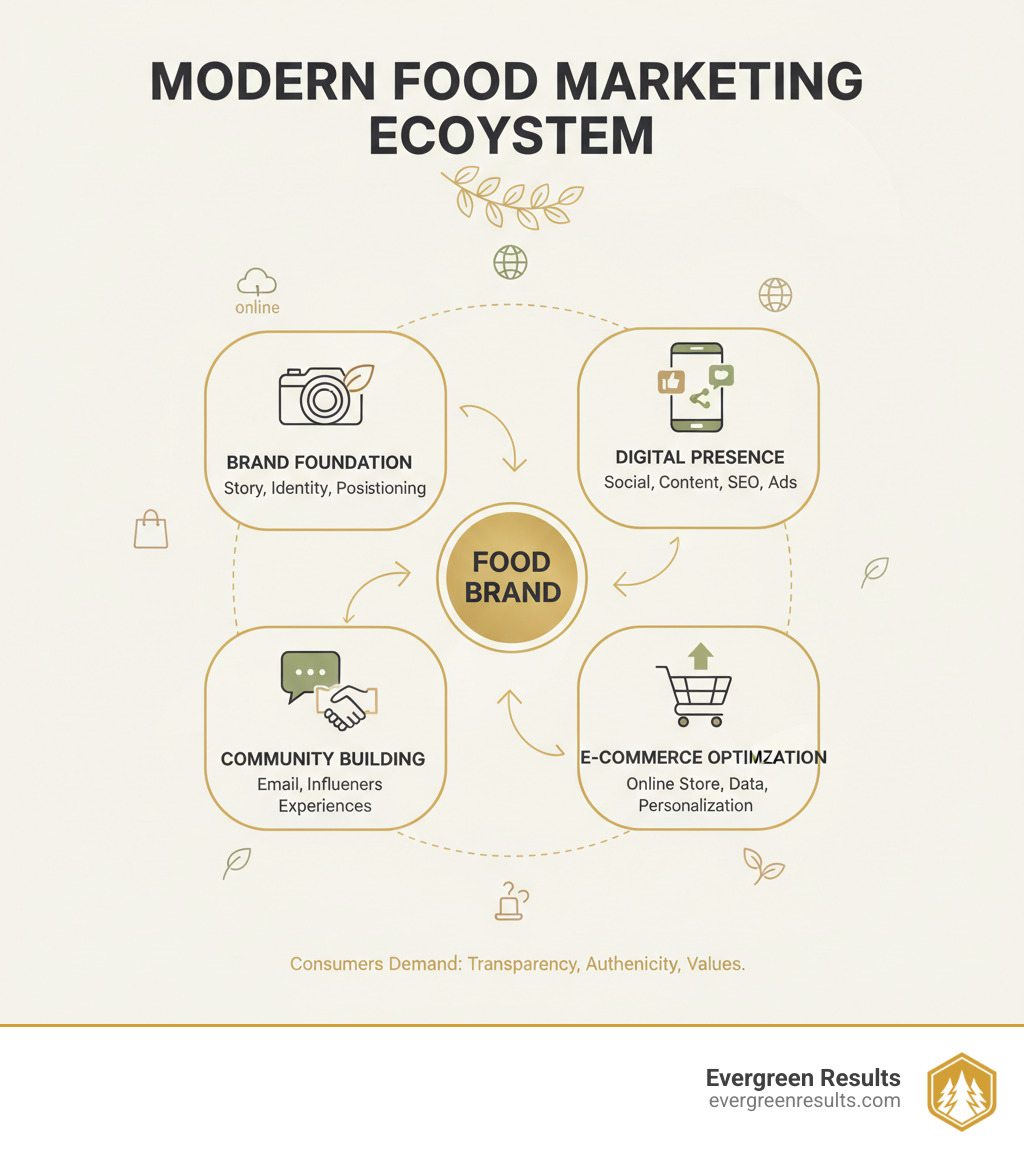
The landscape has evolved from product promotion to building ecosystems that span DTC channels, retail, and social commerce. Success means creating experiences and communities around shared values.
The most successful food and beverage brands achieve sustainable growth through performance-driven marketing for food brands. This guide distills extensive experience into actionable strategies you can use immediately.
Building Your Brand’s Foundation: Story, Strategy, and Identity
Before diving into digital tactics, you must define who your brand really is. In a market with thousands of new products, a strong brand identity is the difference between thriving and disappearing.

Your brand identity is more than a logo; it’s the unique personality and voice that comes through in every customer interaction. People don’t just buy products; they buy stories, values, and connections. This emotional bond turns first-time buyers into loyal advocates.
What’s your story? Whether it’s a family recipe or a mission to support local farms, your unique narrative must shine through. For example, a cashew brand we saw printed “Providing hope never tasted so good!” on its packaging to highlight its work building orphanages. That’s the power of authentic storytelling in marketing for food brands. You can see more in this food product packaging example showing brand story.
A great story needs the right audience, making target audience analysis critical. You can’t speak to everyone. Get specific about your ideal customer: their lifestyle, values, and problems. This allows you to craft messages that resonate personally. This process starts with solid market research.
Once you know your audience and story, define your Unique Selling Proposition (USP). This is your clear answer to, “Why should I choose you?” It could be your price, flavor, ingredients, or convenience. Make it obvious.
Finally, your packaging design is your product’s first impression. It must catch the eye, communicate your USP in seconds, and tell your brand story visually. However, packaging must also be practical for retailers and compliant with all food safety and labeling regulations. When visual appeal, brand story, and practicality align, your packaging turns browsers into buyers.
Getting this foundation right makes all subsequent marketing efforts more focused and effective. You’re not just promoting a product; you’re inviting people into a brand they can believe in.
Mastering Digital Marketing for Food Brands
The way food brands connect with customers has changed completely. Today, marketing for food brands is dominated by digital channels where consumers live their lives online. Digital platforms offer personal, immediate ways to connect with the right people at the right time.
Creating Appetizing Content: Photography, Video, and Blogs
We eat with our eyes first, making visual storytelling crucial for food brands.

High-quality food photography is essential. Professional shots with vibrant colors and tempting textures make your product irresistible and form the foundation of your digital presence.
Video content, especially short-form on TikTok, Instagram Reels, and YouTube Shorts, is perfect for quick recipes or behind-the-scenes moments. A 30-second clip can inspire thousands of potential customers. Longer videos work well for deeper storytelling, like showing your farm-to-table journey. This discussion on visual storytelling and video production for brands offers great insights.
Blogging helps you show up in search results by answering customer questions. An SEO-optimized post like “10 unexpected ways to use salsa” provides value and can naturally link to your products, driving traffic and sales.
Social Media and Influencer Marketing
With over 70% of consumers using social media for food recommendations, these platforms are the modern word-of-mouth machine. Instagram, TikTok, and Pinterest are natural fits for food brands due to their visual nature. Authentic engagement—responding to comments, hosting live sessions, and running polls—builds a genuine community.
User-Generated Content (UGC) is gold for building trust. When real customers share photos of your product, it acts as powerful social proof. Encourage this with a branded hashtag and by featuring customer posts.
Influencer partnerships can dramatically expand your reach. People trust recommendations from creators they follow. The key is finding influencers whose values and audience align with your brand. Micro-influencers with smaller, highly engaged communities often deliver excellent results by creating authentic content that feels natural. For example, Soom Foods’ early connection with Chef Mike Solomonov helped launch the brand. Learn more about effective strategies in this video on more on influencers in marketing.
Driving Growth with SEO and Paid Advertising
If customers can’t find you online, you’re invisible. That’s where Search Engine Optimization (SEO) and paid advertising become game-changers for marketing for food brands.
SEO is critical because over 90% of people never look past the first page of search results. Optimizing your website content and product descriptions ensures you appear for relevant searches.
For brands serving local markets, Local SEO is vital. This means optimizing your Google My Business profile with accurate hours, photos, and posts to attract nearby customers.
While SEO builds long-term presence, paid advertising delivers immediate visibility. Paid search (PPC) puts your products in front of active buyers, offering an average ROI of 200%. This involves bidding on relevant keywords and crafting compelling ads to match searcher intent. Social media ads allow for laser-focused targeting based on interests and demographics, while retargeting brings back website visitors who didn’t purchase.
Fostering Loyalty and Trust Through Community and Experience
In the food industry, trust is everything. Authenticity and transparency are non-negotiable, as consumers want to know where their food comes from, how it’s made, and its environmental impact. Building this trust starts with honest communication about your products and practices.

Your online reputation is a huge part of this trust. Good reviews build credibility and influence purchases. Encouraging positive reviews and responding thoughtfully to all feedback is crucial. Brand collaborations with complementary companies that share your values can also build trust and expand your reach by tapping into their communities.
Despite our digital world, in-person events and experiences remain incredibly powerful. Farmers’ markets, food festivals, and pop-up tastings let customers connect with your products and the people behind them. These events provide invaluable real-time feedback and can turn samplers into brand ambassadors. Hosting your own events creates memorable interactions and deep emotional connections that advertising can’t replicate.
Effective Email Marketing for Food Brands
Email is a powerful tool for building loyalty and driving repeat purchases. Unlike social media, your email list is an owned asset, giving you direct access to your audience. Build your list by offering value, like an exclusive recipe or a discount.
Once you have subscribers, segmentation is key. Grouping users by purchase history or preferences allows you to send highly relevant content. A strong welcome series can share your brand story and offer a first-purchase incentive. From there, you can send promotional campaigns or recipe newsletters to keep your brand top-of-mind.
Key Challenges in Marketing for Food Brands
Marketing for food brands comes with significant challenges. The sheer competition, with 20,000 new products hitting U.S. stores annually, means your brand story and USP must be perfectly dialed in to stand out.
Ethical considerations, particularly around marketing to children, require serious attention. In 2006, food companies spent an estimated $10 billion marketing to youth, influencing their eating habits. There is ongoing debate about government regulation in this space, as detailed in this report on food marketing to children and adolescents.
Health claims are another tricky area. Many front-of-package labels are loosely regulated and can mislead consumers. Transparent communication that helps consumers make informed choices is essential, not marketing that obscures the truth.
Navigating these challenges requires a strong moral compass and a deep understanding of regulations. The goal is to build effective marketing strategies that drive growth while maintaining integrity.
The Future is Now: E-commerce, Data, and Sustainability
The future of marketing for food brands is defined by e-commerce, data-driven personalization, and sustainability. These are fundamental shifts redefining how food brands connect with customers.
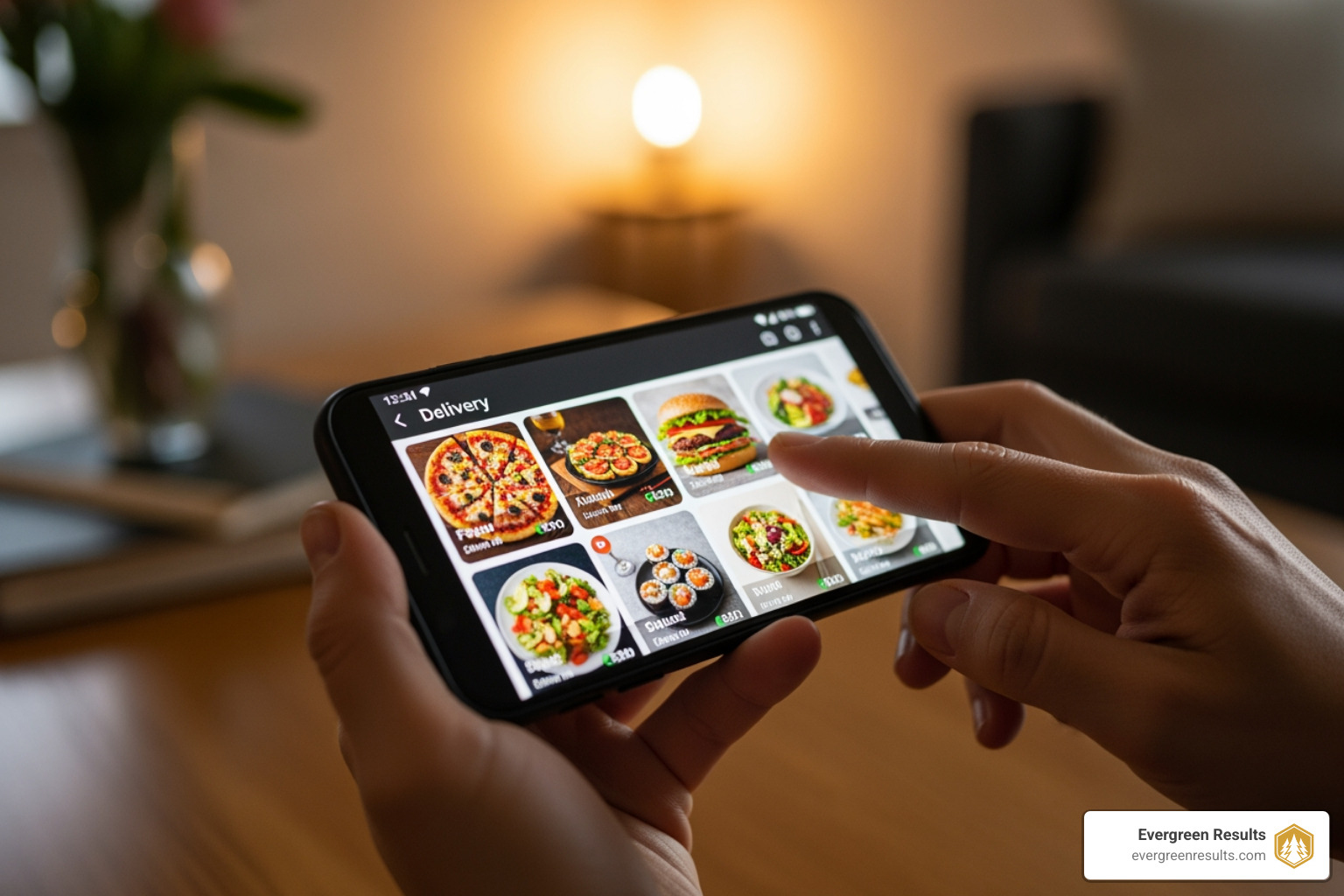
E-commerce has transformed the food industry. Online food shopping is now mainstream, making a seamless digital storefront essential. Your website needs intuitive navigation to provide a smooth customer journey.
Many brands are succeeding with Direct-to-Consumer (DTC) models, which offer complete control over the brand experience and customer data. Partnerships with online delivery services and subscription boxes also create predictable revenue and foster loyalty in ways traditional retail cannot.
Data analytics and personalization are where the magic happens. Every click and purchase tells a story. Analyzing this data reveals deep insights into consumer behavior, allowing you to give customers what they want before they ask. Using tools like Google Analytics helps track what resonates with your audience, enabling continual refinement of campaigns for better results. Personalized marketing campaigns don’t just increase sales—they build lasting loyalty by making customers feel understood.
Sustainability is a business imperative. Today’s consumers want to know the story behind their food, including its environmental impact. Highlighting your commitment to eco-friendly practices and ethical sourcing builds trust and attracts customers who share your values. Authenticity is key; consumers can spot greenwashing, but they will become fierce advocates for brands that genuinely walk the walk.
Brands that thrive will be those that create effortless online experiences, use data to understand their customers, and build sustainability into their core operations.
Frequently Asked Questions about Marketing for Food Brands
How can a small food brand compete with larger companies?
Small brands can’t outspend giants, but they can outsmart them by playing to their unique strengths:
- Focus on a niche market. Become the go-to brand for a specific segment, like keto-friendly snacks or authentic regional specialties. This builds deep loyalty.
- Tell your authentic story. Share the real journey behind your brand. These genuine connections create emotional bonds that big budgets can’t buy.
- Leverage Local SEO. Optimize your Google My Business profile and gather reviews to appear alongside—or even above—big names in local search results.
- Build a strong community. Engage personally on social media and at local events. This personal touch turns customers into advocates.
- Be agile. Adapt to trends and feedback quickly, an advantage large corporations don’t have.
What’s the most important first step in marketing a new food product?
Before launching any campaigns, you need a solid foundation. The most critical first step is conducting thorough market research and defining your Unique Selling Proposition (USP).
- Market Research: Understand the competitive landscape, consumer trends, and existing gaps. This prevents launching into an oversaturated market.
- Target Audience: Precisely identify who you’re serving. Knowing their lifestyle, values, and needs ensures your messaging resonates.
- Unique Selling Proposition (USP): Clearly define what makes your product different. Is it a unique ingredient, a health benefit, or an irresistible flavor? This is the core of your messaging.
How do you measure the ROI of food marketing efforts?
Measuring ROI is about knowing what works so you can optimize your budget. Here’s how:
- Track Key Metrics: Monitor website traffic, conversion rates, social media engagement, and email open rates to get a full picture of performance.
- Use Analytics Tools: Tools like Google Analytics show how visitors behave on your site and what leads to a purchase.
- Monitor Sales Data: Directly connect marketing activities to revenue by tracking sales spikes during campaigns.
- Calculate CAC and CLV: Understand your Customer Acquisition Cost (CAC) versus Customer Lifetime Value (CLV) to determine true profitability.
- A/B Test: Continuously test different headlines, images, and offers to find what performs best and optimize over time.
Conclusion
The world of marketing for food brands is dynamic and exciting. Success requires a holistic approach that weaves together a compelling brand story, digital mastery, genuine community building, and a forward-thinking accept of e-commerce and data. The brands that thrive today aren’t just selling products—they’re creating experiences and standing for something meaningful.
The future will continue to be shaped by technology and consumer expectations, with an increasing emphasis on sustainability and authenticity. At its core, however, successful marketing will always come back to knowing your audience, telling your story, and showing up consistently.