
Coffee Shop Marketing: Ideas and Strategies to Attract More Customers
Why Coffee Shop Marketing Is More Critical Than Ever
Coffee shop marketing is the strategic process of attracting new customers, building lasting relationships, and differentiating your café in an increasingly competitive market. Success requires a blend of online tactics (like local SEO, social media, and email campaigns) alongside offline strategies (such as community events, loyalty programs, and exceptional in-store experiences).
Essential coffee shop marketing strategies include:
- Local SEO optimization – Claim and optimize your Google Business Profile to capture “coffee shop near me” searches (30% of all leads come from Google Maps)
- Social media engagement – Share compelling visual content on Instagram and TikTok to reach customers who spend 2.5+ hours daily on these platforms
- Loyalty programs – Retain customers through rewards systems (over 80% of consumers are likely to engage with loyalty programs)
- Community building – Host events and partner locally, as more than half of coffee consumers believe community-based cafés help build social bonds
- Email marketing – Nurture relationships with personalized offers and newsletters
- User-generated content – Leverage customer photos and reviews for authentic social proof
The coffee industry is more competitive than ever. With over 40,000 coffee shops across North America and consumers having countless options on every corner, simply serving great coffee isn’t enough anymore. Nearly 40% of coffee shops spend $0 on marketing, while the most successful ones invest strategically in building a strong brand identity and reaching customers where they are—both online and in the community.
Whether you’re an independent café owner looking to compete with chains or an established shop ready to grow, this guide will walk you through proven tactics that attract more customers and turn first-time visitors into loyal regulars.
Building Your Foundation: Brand Identity and Target Audience
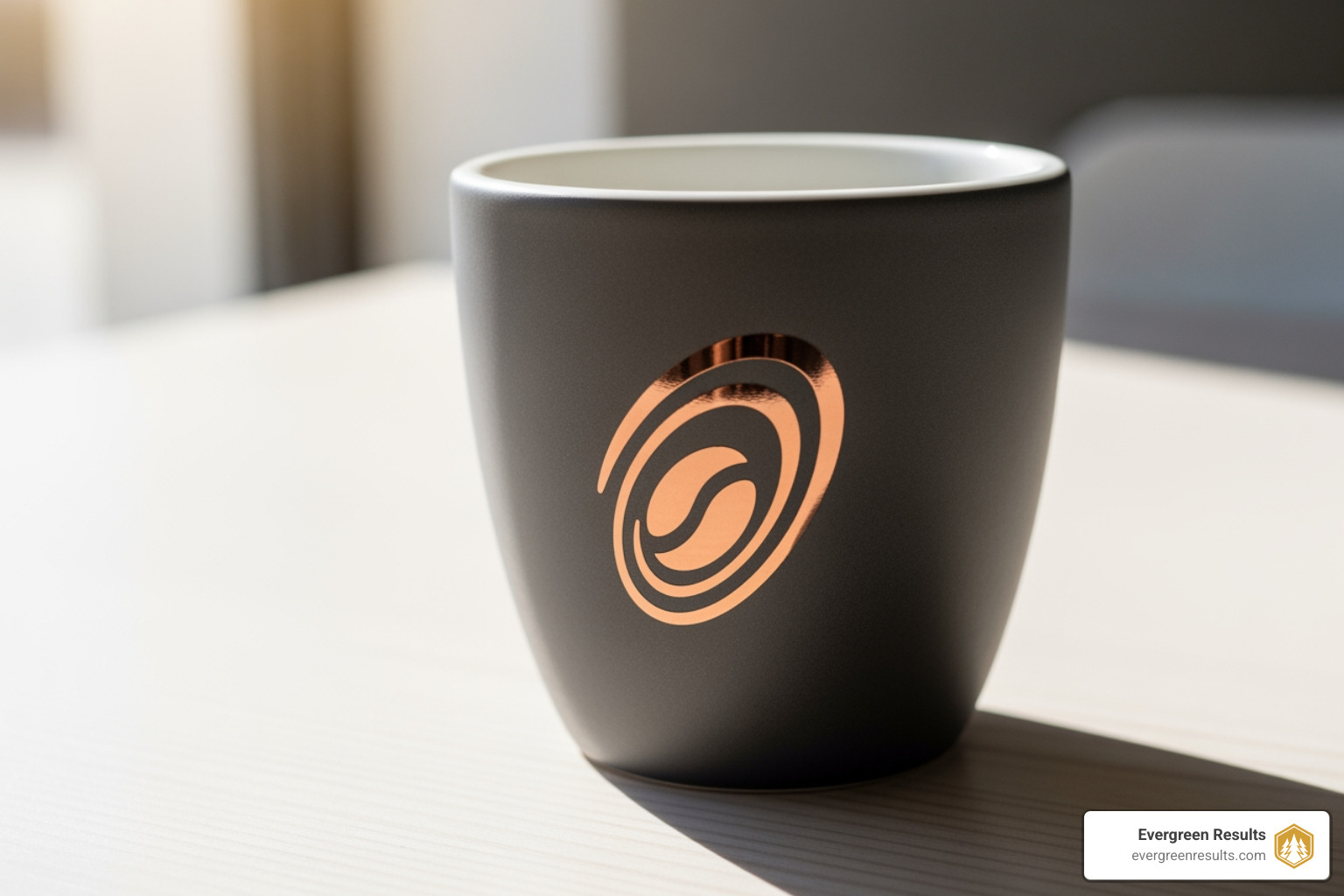
Before we dive into specific tactics, let’s lay the groundwork. A solid coffee shop marketing strategy begins with understanding who you are as a brand and who you’re trying to reach. This foundation ensures that every marketing effort, from your social media posts to your in-store promotions, resonates with your ideal customer and reinforces your unique identity.
Understanding Your Ideal Customer
To effectively market your coffee shop, we first need to pinpoint your target demographic. This isn’t just about general demographics like age and location; it’s about understanding their lifestyle, preferences, and what drives their coffee choices. Think about the unique character of our vibrant city, Denver, and how different neighborhoods might attract different types of coffee drinkers.
We can identify your ideal customers through:
- Market Research: Look at local census data, real estate trends, and local business demographics. Are you in a busy downtown area filled with professionals, a university district with students, or a family-friendly residential neighborhood?
- Customer Surveys: Ask your current customers directly! What do they like about your shop? What brought them in? What are their preferred drinks, food items, and even their favorite time of day to visit?
- Competitor Analysis: Who are your competitors attracting? What gaps can you fill in the market? Perhaps other shops cater to students, leaving an opening for a café that appeals to young professionals or families.
Understanding psychographics (values, attitudes, interests), spending habits, and lifestyle preferences allows us to create detailed customer personas. For instance, a coffee shop near a university might cater primarily to students and faculty members, while one in a business district would likely attract professionals and office workers. This insight helps us tailor your menu, ambiance, and promotions to meet their specific needs.
Creating a Cohesive Brand
Your brand identity is more than just a logo; it’s the entire perception customers have of your coffee shop. It’s how you differentiate yourself from the countless other options available. A strong brand identity is crucial for building customer loyalty and standing out in a competitive market like Denver.
Key elements of a cohesive brand include:
- Unique Selling Proposition (USP): What makes your coffee shop special? Is it your ethically sourced beans, your unique latte art, your cozy atmosphere, or your commitment to local community events? This USP should be woven into every aspect of your brand.
- Brand Story: Every great brand has a compelling story. What’s yours? How did your coffee shop come to be? What values do you uphold? Sharing your story creates an emotional connection with customers.
- Visual Identity: This includes your logo design, color palette, and typography. These elements should be consistent across all touchpoints—from your storefront signage to your coffee cups, website, and social media. Think about iconic brands that are instantly recognizable; your coffee shop can achieve a similar effect on a local scale.
- Tone of Voice: How does your brand communicate? Is it friendly and casual, sophisticated and neat, or quirky and fun? This should be consistent in all your marketing messages.
- Ambiance and In-Store Experience: The look, feel, and sound of your coffee shop are powerful brand elements. Comfortable seating, curated music, free Wi-Fi, and unique decor all contribute to the overall experience.
- Packaging: Thoughtful packaging for to-go cups, coffee beans, or merchandise reinforces your brand and creates a memorable experience.
Developing a strong brand means defining your mission and values, then consistently expressing them. This cohesive branding shapes customer perception and helps differentiate your shop.
Mastering Online Coffee Shop Marketing

An online presence is non-negotiable for any business, especially coffee shops. Research shows that the average Internet user spends 2.5 hours on social media each day, making digital channels prime real estate for connecting with potential customers. For a city like Denver, where people are constantly on the go and searching for local experiences, a strong digital footprint is essential. This includes having a mobile-friendly website, offering online ordering, engaging on social media, optimizing for local SEO, and leveraging email marketing.
Dominate Local Search with SEO
When someone in Denver craves coffee, their first instinct is often to pull out their smartphone and search “coffee shop near me.” This is where local SEO (Search Engine Optimization) becomes your best friend. Optimizing your presence for local search is one of the most effective and cost-efficient coffee shop marketing strategies.
Here’s how to dominate local search:
- Google Business Profile (GBP) Optimization: This is arguably the single most important local SEO tool. Your GBP should be fully claimed, verified, and optimized with accurate business hours, address, phone number, website link, and eye-catching photos of your shop and products. Tourists and locals alike tend to find coffee shops by typing “coffee shops near me” on Google, and an optimized GBP helps you rank high. It’s also known that 30% of leads come from Google Maps, so this is critical.
- Customer Reviews: Online reviews are gold. They bolster your business in local Google search results and help customers decide whether to visit. Businesses with 4.5+ stars get 70% more leads. Implement strategies to encourage satisfied customers to leave positive reviews on Google, Yelp, and other relevant platforms, and equally important, respond to all feedback, positive or negative, within 24 hours.
- Local Directory Listings: Beyond Google, ensure your coffee shop is listed consistently across other online directories like Yelp and TripAdvisor. Consistency in your Name, Address, and Phone number (NAP) across these platforms signals trustworthiness to search engines.
- Website Optimization: A user-friendly, mobile-responsive website is crucial. According to Statista, seven in ten internet users access the internet via smartphone. Your website should clearly display your menu, hours, location, and ideally, offer online ordering options. Optimizing your website for food and beverage SEO will ensure it attracts the right local traffic.
Engage Customers on Social Media
Social media is a powerful tool for coffee shop marketing, allowing you to connect with customers, build community, and showcase your brand’s personality. With the average Internet user spending 2.5 hours on social media each day, platforms like Instagram and TikTok are where your audience lives.
A social media strategy for your coffee shop should focus on:
- Visually Appealing Content: Coffee is inherently photogenic! Create high-quality photos and short videos of your latte art, seasonal drinks, delicious pastries, and the cozy ambiance of your Denver shop. This kind of content leads to increased foot traffic, as 70% of coffee drinkers are more likely to visit after seeing appealing coffee photos online.
- Authentic Storytelling: Share behind-the-scenes glimpses of your baristas, the brewing process, or your involvement in local Denver events. Authenticity and connection are more powerful marketing tools than just discounts.
- User-Generated Content (UGC): Encourage customers to tag your shop in their posts. Consumers find UGC 50% more trustworthy than traditional advertising. Reposting customer photos not only provides fresh content but also acts as powerful social proof. You can even create menu items with UGC in mind, like colorful lattes or viral-inspired treats.
- Contests and Giveaways: Run contests that encourage engagement, like “best latte art photo” or “tag a friend who needs coffee.” This boosts visibility and attracts new followers.
- Influencer Collaborations: Partner with local Denver food bloggers or micro-influencers who align with your brand. This can introduce your coffee shop to a new, engaged audience.
- Live Video: Platforms like Facebook Live and Instagram Stories are excellent for building awareness and relationships. Use them for Q&As with your baristas, virtual tours, or showcasing a new drink being made. People watch live videos 10 to 20 times longer than on-demand content.
Consistency is key on social media. Maintain a regular posting schedule and engage actively with your followers, turning them into a loyal community.
Build Relationships with Email Marketing
While social media captures attention, email marketing nurtures relationships. It’s a direct line to your customers, allowing for personalized communication that builds loyalty. Research shows that 90% of customers want more personalized communications than they’re currently getting, and 70% of consumers want to receive special offers and coupons from restaurants via email.
Here’s how to leverage email marketing for your coffee shop:
- Building an Email List: Implement strategies to capture email addresses, such as offering a discount for signing up, collecting emails during online ordering, or using Wi-Fi login pages to prompt sign-ups.
- Newsletters: Send out regular newsletters featuring new menu items, upcoming events in your Denver shop, or behind-the-scenes stories.
- Special Offers and Promotions: Use email to distribute exclusive discounts, birthday rewards, or loyalty program updates. Personalized promotional emails can see a 20% click-through rate.
- Automated Campaigns: Set up automated welcome emails for new subscribers, re-engagement campaigns for lapsed customers, or reminders for seasonal specials. Welcome emails see an impressive average open rate of ~69%.
- Personalization: Segment your audience based on purchase history or preferences to send highly relevant content. For example, if a customer frequently buys espresso, send them a promotion for a new espresso-based drink.
Email marketing is a cost-effective way to drive repeat business, as acquiring new customers is 5x more expensive than retaining existing ones.
Winning Locally: Offline and Community-Focused Strategies
Your coffee shop is more than just a place to grab a drink; it’s a community hub. Offline and community-focused marketing strategies are crucial for building deep connections and fostering loyalty. More than half of coffee consumers believe community-based cafés help build local social bonds, which is a powerful insight for our Denver-based clients.
Key Elements of an Offline Coffee Shop Marketing Plan
Here are some hands-on, community-driven strategies to implement:
- Local Partnerships: Collaborate with neighboring businesses in Denver. Offer a discount to employees of nearby offices, or partner with a local bookstore for a “coffee and a book” special. Cross-promotional efforts can introduce your shop to new customers at minimal cost.
- Hosting Events: Transform your space into a vibrant gathering spot. Consider hosting:
- Workshops: Latte art classes, coffee brewing seminars, or even workshops on unrelated topics like painting or writing.
- Live Entertainment: Showcase local Denver musicians, host open mic nights, or display art from local artists.
- Community Gatherings: Offer your space for local book clubs, neighborhood association meetings, or even small business networking events.
- Sponsoring Local Teams or Causes: Show your commitment to the Denver community by sponsoring a local sports team, donating coffee to school events, or participating in charity fundraisers. Tim Hortons’ “Smile Cookies” campaign, for example, successfully ties a product to charitable giving, becoming a cultural event.
- Canvassing: While it sounds old-school, consistent in-person interaction with local establishments can build relationships and generate word-of-mouth referrals. Spending a few hours a week introducing yourself and your shop to nearby businesses can yield significant results.
These efforts build strong local ties, generate positive word of mouth, and solidify your coffee shop’s role as an integral part of the community.
In-Store Promotions and Experience
The experience inside your coffee shop is a powerful marketing tool. Every interaction, every detail, contributes to customer perception and encourages repeat visits.
- Exceptional Customer Service: This is paramount. Your staff are your primary brand ambassadors. Friendly, knowledgeable baristas who remember customer preferences and offer genuine hospitality create memorable experiences that drive loyalty.
- Loyalty Programs: Classic punch cards (e.g., “buy 9, get the 10th free”) are effective. Digital loyalty programs, accessed via mobile apps, are even more powerful, with 55% of loyalty members preferring to track rewards this way.
- Daily Specials and Product Bundling: Entice customers with rotating daily or weekly drink specials. Bundle complementary products, like a coffee and a pastry, at a slightly discounted price to increase average order value.
- Themed Displays: Leverage seasons and holidays with creative in-store displays and themed drinks (e.g., pumpkin spice in fall, peppermint in winter). This creates excitement and encourages impulse purchases.
- Welcoming Atmosphere: Ensure your shop is clean, comfortable, and inviting. Consider elements like background music, pleasant aromas, ample seating, and good lighting. Free Wi-Fi is often a given, but a “Free Little Library” or board games can improve the community feel.
By focusing on the in-store experience, you create a positive environment that makes customers want to linger longer and return often.
Driving Loyalty and Future Growth
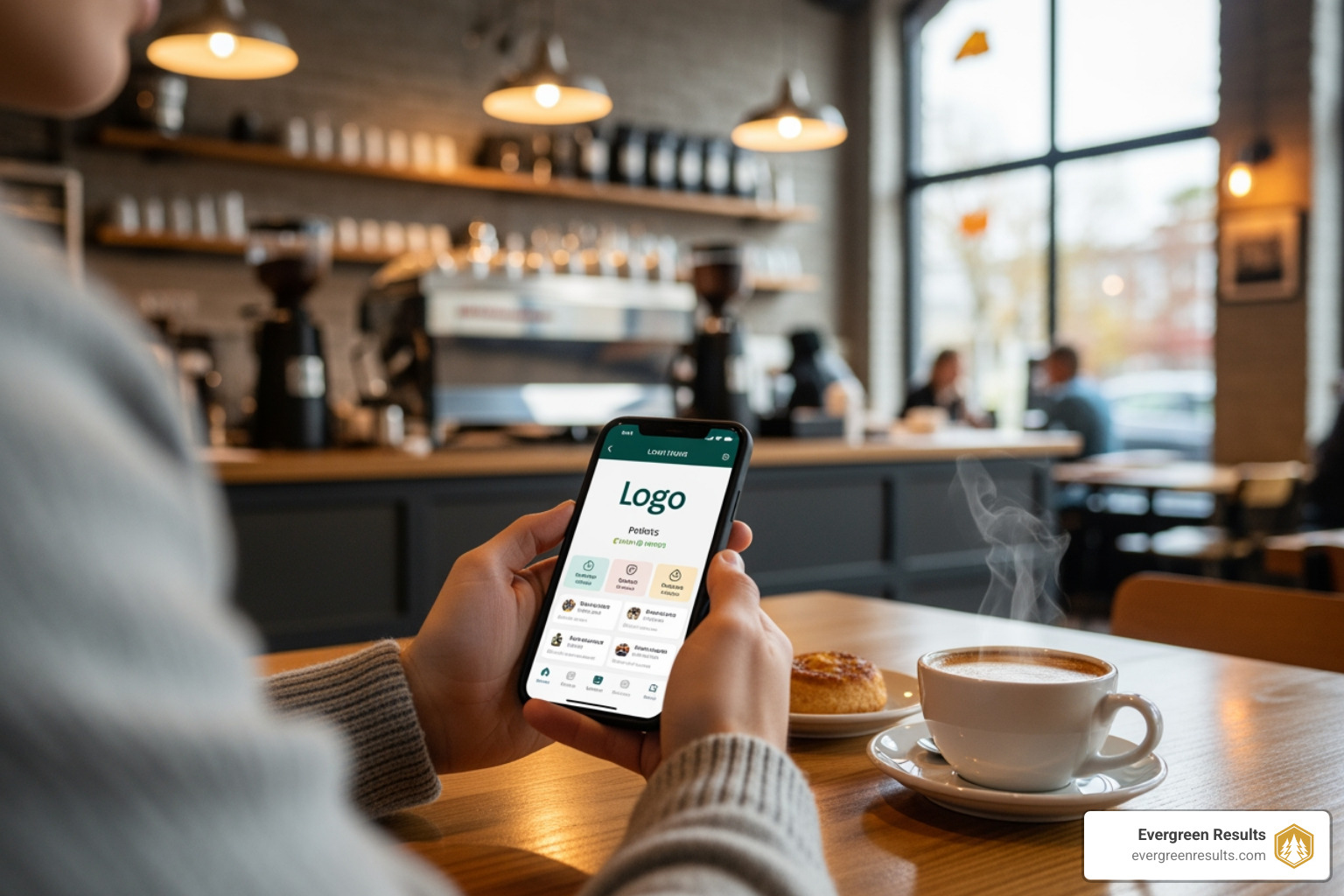
Retaining customers is often more cost-effective than acquiring new ones. Loyal customers spend, on average, 67% more than new customers. This is why loyalty programs, emerging trends, and robust measurement are integral to your coffee shop marketing strategy.
Leveraging Loyalty Programs and UGC
Loyalty programs are a cornerstone of customer retention. Over 80% of consumers are very or somewhat likely to engage with a loyalty program, and 82% of restaurant leaders say their loyalty program is successful in driving repeat visits.
- Digital Loyalty Apps: These make it easy for customers to track points, redeem rewards, and receive personalized offers. Many platforms offer features like birthday rewards and exclusive discounts for members. Blue Bottle Coffee, for example, launched a membership program “designed to make every coffee ritual more rewarding and shareable.”
- Tiered Rewards: Offer different levels of rewards to incentivize higher spending and engagement.
- Gamification: This is identified as the most important loyalty trend for consumers in 2025. Incorporate fun challenges, badges, or points for specific purchases (like Dunkin’s seasonal challenges) to make the loyalty experience more engaging.
- Encouraging Reviews and UGC: Actively encourage customers to leave reviews and share their experiences on social media. User-generated content is highly trusted and provides authentic social proof. You can design your space to be Instagram-worthy, or run contests that encourage sharing photos of your products.
Exploring Future Trends
The coffee industry is dynamic, and staying ahead of emerging trends can give your coffee shop a significant edge.
- AI-Driven Personalization: AI is revolutionizing marketing by enhancing personalized communications, targeted advertising, and content creation. Imagine an AI assistant that helps craft personalized messages or identifies lapsed customers and sends them a custom re-engagement offer.
- Coffee Subscriptions: The coffee subscription market was last valued at 934 million USD, with an impressive 11.1% growth rate predicted for the next decade. Offering a monthly subscription for beans, unlimited coffee, or a curated selection of drinks can provide recurring revenue and build strong customer relationships. Blank Street’s “Blank Street Regulars” program saw members visiting six times a week, compared to two or three times without the program.
- Experiential Marketing: This trend focuses on creating memorable experiences that connect value with notable events. Think beyond just a discount; host themed events, collaborate on unique product launches, or create limited-time offerings that become social media sensations. Tim Hortons’ Smile Cookies are a prime example of turning a simple product into a charitable, community-driven event.
- Seasonal Promotions and Holiday Menus: These are evergreen trends that continue to drive sales. Regularly introduce new seasonal flavors and holiday-themed drinks. Promotions like these can dominate social media and break through the noise.
Measuring Your Coffee Shop Marketing Success
Measuring the success of your coffee shop marketing campaigns is crucial for understanding what works and where to adjust your efforts.
Track a variety of Key Performance Indicators (KPIs):
- Foot Traffic Analysis: Tools can help you understand how many people are entering your shop, especially after specific promotions.
- Sales Data: Monitor overall sales, average transaction value, and sales of specific items. Look at how sales shift after a new social media campaign or email offer.
- Social Media Metrics: Track engagement rates (likes, comments, shares), follower growth, and reach on platforms like Instagram and TikTok.
- Website Analytics: Monitor traffic to your website, online orders, and conversion rates for any online promotions.
- Customer Feedback: Pay close attention to online reviews, direct feedback, and survey responses to gauge customer satisfaction and identify areas for improvement.
- Loyalty Program Data: Analyze participation rates, redemption rates, and how loyalty members’ spending compares to non-members.
- Calculating ROI: You’ll want to know the return on investment (ROI) for each marketing initiative. This involves comparing the cost of a campaign to the revenue it generated.
By continuously testing your marketing efforts and adapting your strategies based on data, you can position your coffee shop for sustained growth and success in the Denver market.
Frequently Asked Questions about Coffee Shop Marketing
How do I attract people to my cafe on a small budget?
Focus on low-cost, high-impact strategies like optimizing your free Google Business Profile, encouraging customer reviews, being active on one or two key social media platforms, and building local partnerships for cross-promotion. Many independent coffee shops operate on very modest marketing budgets, with nearly 70% spending less than $100 per month. Prioritize quality coffee and exceptional customer service, as these form the foundation for strong word-of-mouth marketing. Hosting community events or offering free samples can also be highly effective without breaking the bank.
Why are online reviews so important for a coffee shop?
Online reviews are critical because they build trust and social proof, directly influencing a potential customer’s decision to visit. Research indicates that 93% of consumers read online reviews before making a purchase decision for local businesses. Reviews are also a major ranking factor for local SEO, helping your coffee shop appear higher in “near me” searches on Google Maps (where 30% of leads originate). Businesses with 4.5+ stars have been shown to get 70% more leads. Actively encouraging and responding to reviews is essential for your online reputation.
How often should I post on social media?
Consistency is more important than frequency. Aim for 3-5 high-quality posts per week on your main platform (like Instagram or TikTok). The average Internet user spends 2.5 hours on social media each day, so a consistent presence keeps your brand top-of-mind. Focus on engaging content like behind-the-scenes looks, customer features, beautiful product shots, and interactive polls or questions, rather than just posting to post. Quality over quantity ensures your content resonates and builds a loyal following.
Conclusion
The world of coffee shop marketing is dynamic and competitive, but with a strategic, blended approach, your Denver coffee shop can thrive. This guide has explored the importance of building a strong brand identity, understanding your target audience, and mastering both online and offline tactics. From dominating local search results and engaging on social media to fostering community connections and leveraging loyalty programs, each strategy plays a vital role in attracting new customers and turning them into raving fans.
The foundation of all successful marketing is exceptional coffee and outstanding customer service. When these are in place, targeted coffee shop marketing strategies will amplify your strengths, build lasting relationships, and drive sustainable growth.
By putting these coffee shop marketing strategies into action, you can strengthen your brand, bring in more customers, and build a loyal local following. Stay consistent, listen to your audience, and keep refining what works. If you want expert help creating a smarter growth plan, contact Evergreen Results.