
Why Email Marketing Campaigns Are Your Secret Weapon for Growth
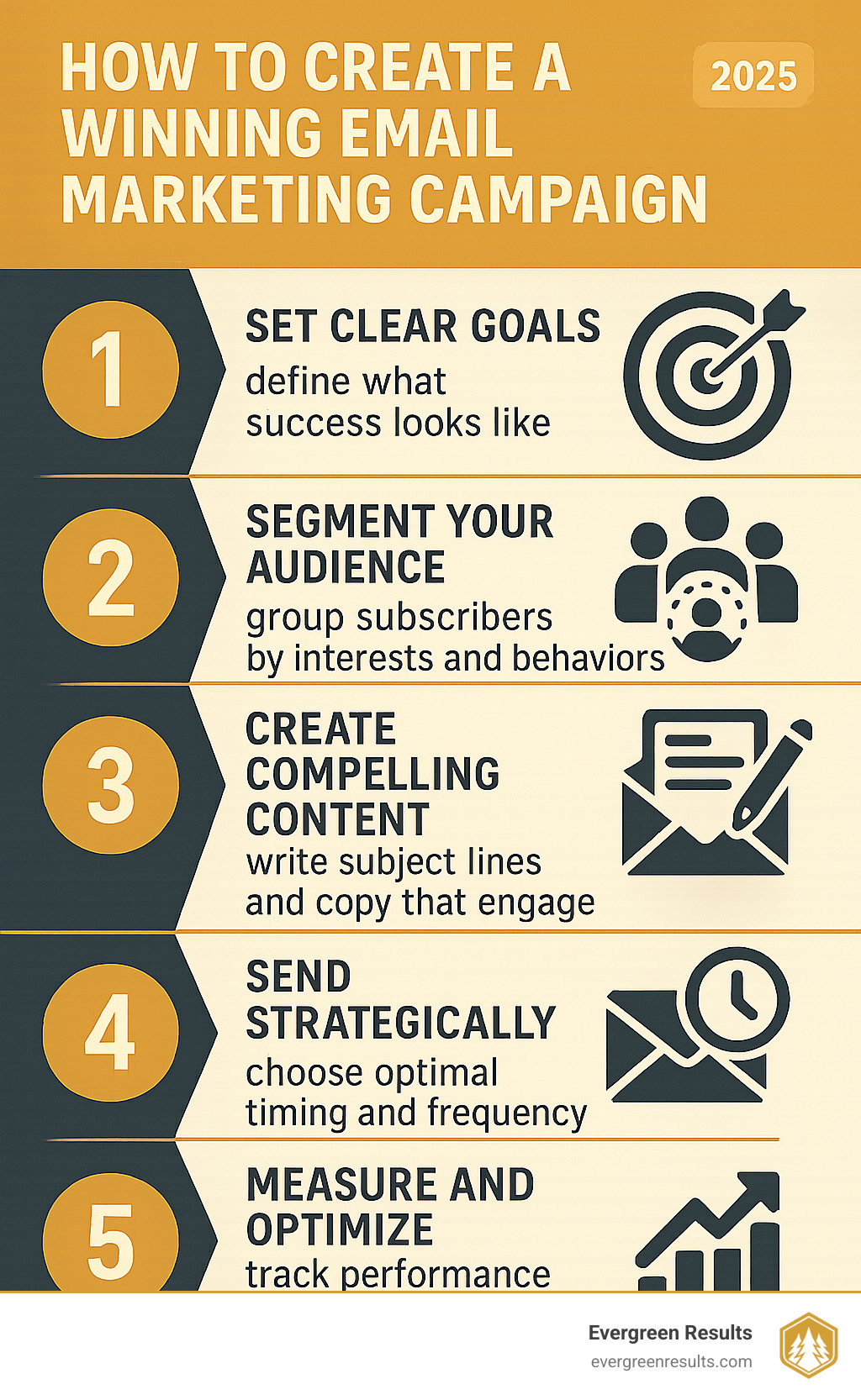
An email marketing campaign is a planned series of emails sent to a targeted audience to achieve specific business goals. A successful campaign requires:
- A Clear Goal (e.g., sales, awareness)
- A Targeted Audience, segmented by interests and behaviors
- Compelling Content that resonates with your subscribers
- Strategic Timing for maximum engagement
- Performance Tracking to measure and optimize results
With an ROI of up to $36 for every $1 spent, email marketing is a top-tier channel. It provides direct access to an audience that has opted-in, unlike social media’s “rented land.” This direct line is powerful for building lasting customer relationships.
I’m Adam Bocik, founder of Evergreen Results. I’ve seen how a well-crafted email marketing campaign can transform active lifestyle and food & beverage brands into thriving communities. We specialize in helping brands like yours scale their growth through strategic digital marketing.
Email marketing campaign vocabulary:
The Foundation: What is an Email Marketing Campaign and Why Does It Matter?
An email marketing campaign isn’t about sending random promotions; it’s a coordinated series of emails with a clear purpose. It’s like having a meaningful conversation with people who want to hear from you, guiding them from curious browser to loyal customer.

Email provides a direct communication channel to an engaged audience, building trust and nurturing leads more effectively than other platforms. You aren’t competing with algorithms; you’re in their inbox, ready to drive sales. It’s no surprise that, according to research from Gartner, email remains one of the most reliable marketing channels available.
Why Email is a Pillar of Digital Marketing
Unlike social media’s “rented land,” your email list is an owned audience. This gives you direct access without middlemen or algorithm changes. Key benefits include:
- Cost-Effectiveness: Email consistently delivers one of the highest ROIs in marketing.
- Scalability: It’s just as easy to send to 10,000 subscribers as it is to 100.
- Integration: Email seamlessly connects with your website, social media, and other marketing efforts, reinforcing your message across all touchpoints.
This aligns with the inbound marketing philosophy of attracting, engaging, and delighting customers with valuable content. Want to see how we integrate email into a complete strategy? Check out our Email Marketing services to learn more.
Defining Goals for Your Email Marketing Campaign
Before you start, you must define what you want your campaign to achieve. A clear goal shapes your content, strategy, and metrics. Common goals include:
- Brand Awareness: Introduce your brand’s personality and values to new audiences.
- Lead Generation & Nurturing: Grow your email list and guide new contacts through your sales process.
- Website Traffic: Drive subscribers to a new blog post, product page, or landing page.
- Sales and Revenue: Use promotional campaigns and special offers to encourage purchases.
- Customer Retention: Keep current customers engaged with exclusive content or loyalty programs to encourage repeat business.
Choosing one primary goal per campaign is key to success. For outdoor brands, customer retention can be especially powerful. Check out our guide on 5 Email Marketing Strategies for Outdoor Brands to Retain Customers for actionable ideas.
The Blueprint: Planning Your Winning Email Marketing Campaign
With clear goals, it’s time to plan your email marketing campaign. This blueprint covers identifying your audience, crafting your message, and mapping out a timeline to ensure maximum impact.

Key Component 1: Audience Segmentation
The golden rule of email is sending the right message to the right person. Segmentation divides your list into targeted groups for more personalized and effective emails. Segment based on:
- Demographics: Age, location, gender, job title.
- Purchase History: Products bought, frequency, and recency.
- Website Behavior: Pages visited, products viewed, content downloaded.
- Engagement Level: Open and click rates (active vs. inactive subscribers).
- Lifecycle Stage: New lead, first-time buyer, or repeat customer.
This personalization builds stronger relationships and drives conversions. For more on tailoring messages, especially for food & beverage clients, check out: Personalization Email Campaigns for Food & Beverage Brands.
Key Component 2: Content and Offer
Once you know your audience, craft a compelling message and offer.
- Subject Lines & Preview Text: Your first impression. Be clear, personalized, and intriguing to encourage opens.
- Body Copy: Write conversationally and focus on value. Use headings and white space for readability and always include a clear Call-to-Action (CTA).
- Visuals and Design: Use high-quality, relevant images to boost engagement. Keep the design clean, on-brand, and professional.
- Mobile-Responsiveness: This is non-negotiable. Ensure your emails look great and function perfectly on any device, as most are opened on mobile.
For more insights, read: Creating an Engaging Email Campaign.
Key Component 3: Tools and Automation
The right technology streamlines your efforts and provides crucial data.
- Email Service Providers (ESPs): The backbone for building, sending, and tracking campaigns.
- Marketing Automation: Set up automated workflows (e.g., welcome series) triggered by user actions to save time and ensure timely communication.
- CRM Integration: Connect your ESP and CRM for deeper personalization and aligned sales and marketing efforts.
- A/B Testing Tools: Test elements like subject lines and CTAs to see what performs best.
- Analytics Dashboards: Monitor key metrics like open rates, click-through rates, and conversions to make data-driven decisions.
Leveraging these tools allows you to focus on strategy while the platforms handle the heavy lifting. For a deeper dive into strategy, see: Email Marketing Food & Beverage Brands Strategy.
The Playbook: Common Types of Email Campaigns and When to Use Them
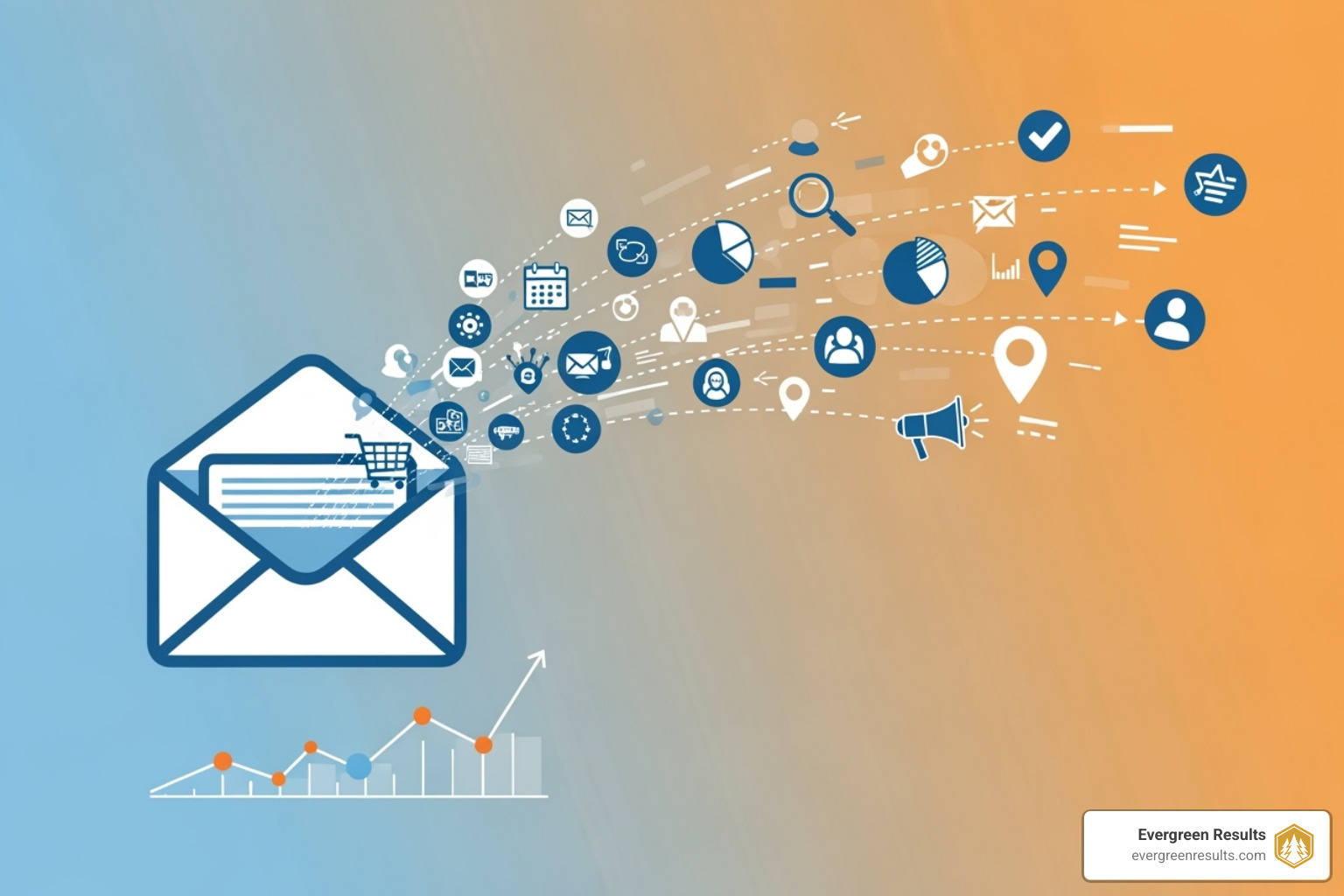
Different types of email marketing campaigns serve distinct purposes. Matching the campaign type to your goal is crucial for providing value and driving action. Here are some essential types:
[LIST] of Essential Email Campaign Types
Welcome Series:
- Purpose: To onboard new subscribers, introduce your brand, and build initial rapport.
- When to Use: Immediately after a user signs up. Often includes an introductory offer or exclusive content.
Promotional & Sales Campaigns:
- Purpose: To directly drive sales by promoting products, services, or special offers.
- When to Use: For new product launches, seasonal sales, or limited-time discounts.
Newsletters & Content Updates:
- Purpose: To share valuable content like blog posts or company updates to keep your audience engaged.
- When to Use: On a regular schedule (e.g., weekly, monthly) to maintain top-of-mind awareness.
Re-engagement Campaigns:
- Purpose: To reconnect with inactive subscribers and win them back, or to clean your list.
- When to Use: When a segment of your list has been disengaged for a set period.
Abandoned Cart Reminders:
- Purpose: To recover potentially lost sales by reminding customers about items left in their cart.
- When to Use: Automatically triggered a few hours after a cart is abandoned. These have very high conversion rates.
Post-Purchase & Transactional Emails:
- Purpose: To confirm a transaction (e.g., order confirmation, shipping update) and build loyalty.
- When to Use: Immediately after a purchase or other key user action. Use their high open rates to cross-sell or ask for reviews.
Event Invitations & Announcements:
- Purpose: To invite subscribers to events (online or in-person) or share important company news.
- When to Use: Leading up to an event or when you have a major announcement.
Each campaign type plays a vital role in moving subscribers through the customer journey. For specific newsletter best practices for outdoor brands, explore: Email Newsletter Best Practices for Outdoor Brands.
The Scorecard: Measuring Success and Avoiding Pitfalls
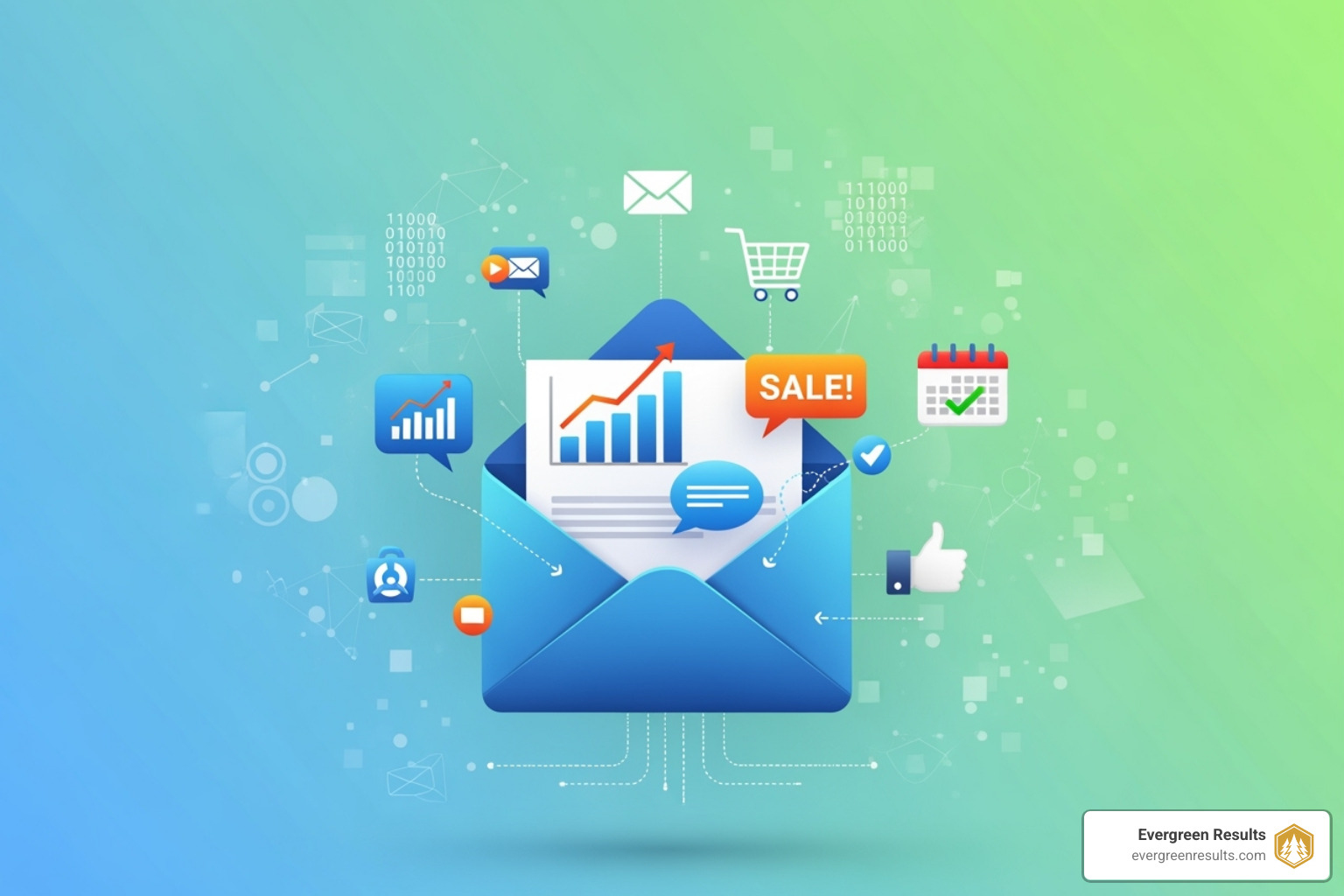
Sending an email marketing campaign is just the beginning. The next step is measuring its performance with Key Performance Indicators (KPIs) to understand what worked and what didn’t. The measurability of email allows for data-driven decisions and continuous improvement, turning each campaign into a learning opportunity.
Key Metrics to Track
To understand your campaign’s impact, focus on the metrics that matter most:
- Open Rate: The percentage of recipients who opened your email. It indicates the effectiveness of your subject line and sender name.
- Click-Through Rate (CTR): The percentage of recipients who clicked a link in your email. This measures content engagement and CTA effectiveness.
- Conversion Rate: The percentage of recipients who completed a desired action (e.g., made a purchase). This is the ultimate measure of a campaign’s success.
- Bounce Rate: The percentage of emails that couldn’t be delivered. A high bounce rate can harm your sender reputation, so keeping it low is crucial for list health.
- Unsubscribe Rate: The percentage of recipients who opted out. A high rate may indicate issues with frequency or content relevance.
- List Growth Rate: Measures how quickly your email list is expanding, revealing the effectiveness of your list-building strategies.
- Email ROI: Measures the return on investment for your email marketing efforts, proving its value to your business.
For a broader perspective on measuring marketing success, check out: What is Social Media ROI and Why Does it Matter? and Measure the Success of Your Digital Marketing.
Common Pitfalls in an Email Marketing Campaign
Even the best marketers can stumble. Recognizing these common pitfalls is key to designing campaigns that deliver results.
- No clear goal: Sending emails without a specific objective leads to unfocused content and makes it impossible to measure success.
- Poor segmentation: Sending generic messages to your entire list is ineffective. Personalization is essential for engagement.
- Weak subject lines: A boring or misleading subject line can kill an email before it’s even opened. Make your first impression count.
- Ignoring mobile responsiveness: With most emails opened on mobile, a non-responsive design will lead to high deletion rates. This is not optional.
- Inconsistent sending schedule: Sending too often causes fatigue, while sending too infrequently makes your audience forget you. Find a consistent rhythm.
- Ignoring analytics: Campaign data is gold. Analyze your metrics to understand what works and adapt your strategy accordingly.
- Violating CAN-SPAM or GDPR regulations: Non-compliance can lead to heavy fines and damage your sender reputation. Always get consent and provide an easy unsubscribe option.
Frequently Asked Questions about Email Campaigns
Here are answers to the most common questions we receive about running a successful email marketing campaign.
What is the best time and day to send an email campaign?
The “perfect” time depends entirely on your audience. While general research suggests mid-week (Tuesday, Wednesday, Thursday) around 10 am, 2 pm, or 8 pm can be effective, this is only a starting point. Your audience’s habits may differ.
The only way to know for sure is to A/B test different send times with small segments of your list. Track open and click-through rates to find what works best for you. Compelling content is more important than perfect timing.
How do I grow my email list?
Focus on attracting people who genuinely want to hear from you. Key strategies include:
- Website Opt-in Forms: Place clear signup forms on your homepage, blog posts, and footer. Exit-intent popups are also effective.
- Lead Magnets: Offer valuable content (e.g., guides, checklists, discounts) in exchange for an email address.
- Social Media: Run contests or promote email-exclusive content to your followers.
- In-Person Signups: Use a tablet or QR code at events, retail locations, or markets.
Always get proper opt-in consent to build a healthy, engaged list. We used these strategies to help one client grow From 90,000 to 300,000 Email Subscribers.
How often should I send marketing emails?
There’s no magic number for email frequency; the goal is to stay top-of-mind without overwhelming subscribers. Quality is more important than quantity. A single valuable email is better than four mediocre ones.
- Monitor your metrics: Watch for drops in open rates or spikes in unsubscribes, which may signal you’re sending too often.
- Offer preferences: Allow subscribers to choose how often they hear from you or what content they receive.
- Be consistent: Whether you choose weekly or monthly, stick to a predictable schedule to build trust and expectation.
Conclusion
We’ve covered the essentials of crafting a successful email marketing campaign, from strategic planning and execution to measurement and optimization. The key takeaway is that email marketing is a cornerstone of sustainable business growth and community building, offering incredible ROI and direct access to your audience.
Success hinges on a strategic approach: set clear goals, segment your audience, create compelling content, use the right tools, and continuously optimize your performance. Most importantly, focus on building real relationships by providing genuine value in every email. When you serve your audience first, growth will follow.
At Evergreen Results, we’re passionate about helping active lifestyle and food & beverage brands steer this landscape. We don’t just create campaigns; we build communities and drive sustainable growth. The key is to start with solid fundamentals, stay consistent, and always put your audience first.
Ready to turn your email marketing from good to extraordinary? Start crafting your winning email marketing campaign today! Let’s build something amazing together.