
Why Your Business Needs Email Marketing Automation
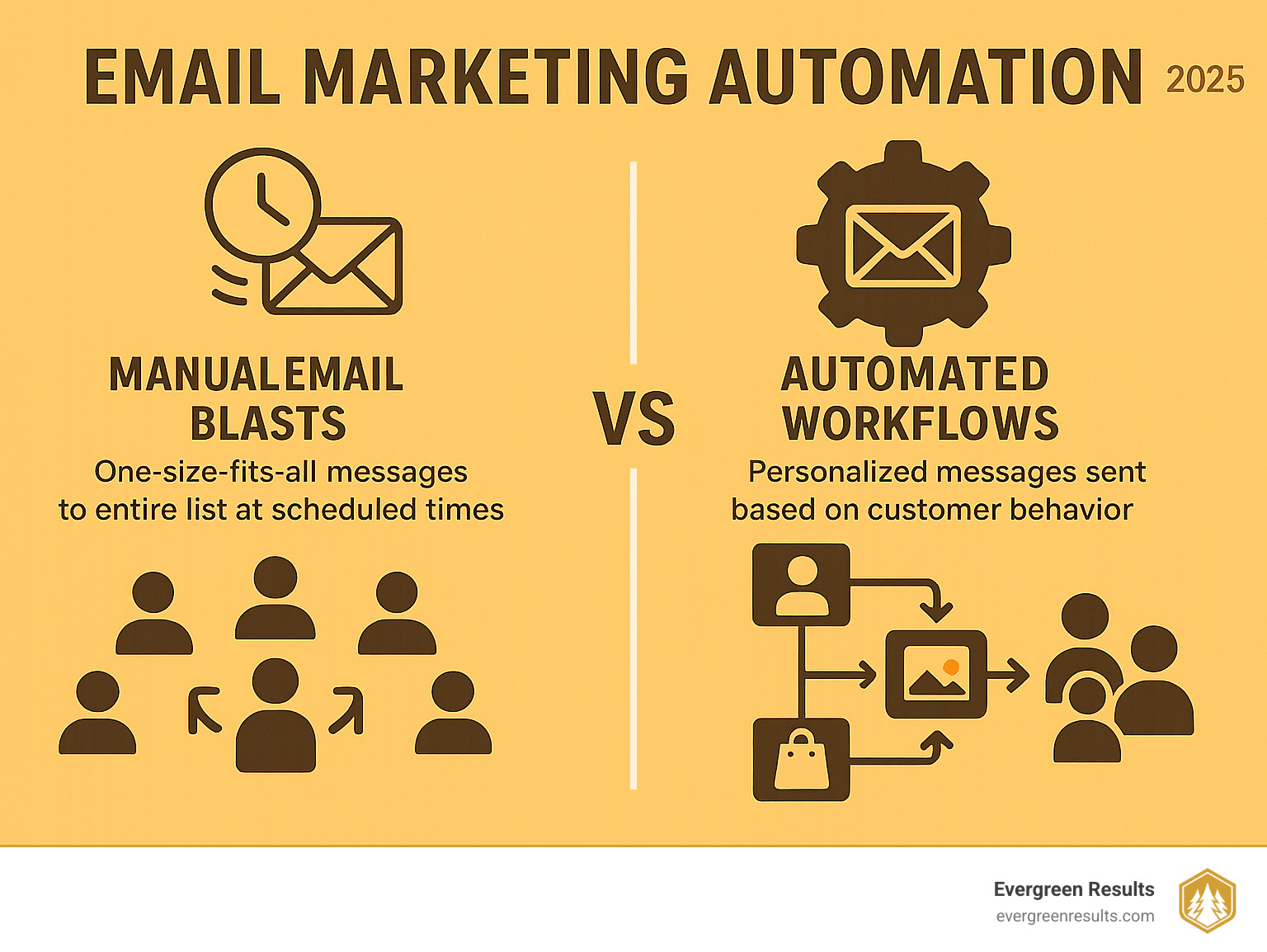
Email marketing automation uses software to send targeted, personalized emails to customers based on their behavior and position in your sales funnel. Instead of sending manual, one-size-fits-all blasts, automation delivers the right message to the right person at the right time.
This includes:
- Trigger-based emails sent automatically after specific customer actions.
- Behavioral targeting based on site visits, purchase history, and engagement.
- Personalized workflows that guide customers through your sales funnel.
- Dynamic content that changes based on individual customer data.
Research shows that businesses using automation software generate twice as many leads as those without it. Automated emails can generate 37% of sales from just 2% of email volume, with some companies seeing up to 25x ROI.
Imagine a customer abandons their cart. With automation, they can receive a personalized email an hour later with the exact products they were considering. This system works 24/7 to nurture customers and drive sales, freeing you to focus on other parts of your business.
For active lifestyle and outdoor brands, this means sending automated workout tips to new gym members or care instructions after a gear purchase. The possibilities are endless, and the results speak for themselves.
I’m Adam Bocik, founder of Evergreen Results. I’ve spent years helping active lifestyle brands scale with strategic email marketing automation, changing businesses from reactive to proactive and driving consistent revenue growth.
Terms related to email marketing automation:
What is Email Marketing Automation? (And Why It’s a Game-Changer)
Email marketing automation is your 24/7 digital sales assistant. It’s the technology that lets you deliver perfectly timed, relevant messages to customers based on their actual behavior, not just a guess about what they might want.
This happens through triggers—specific actions (like a download or cart abandonment) that automatically start a workflow. A workflow is a smart sequence of emails designed to guide that person toward their next step with your brand. This approach excels at lead nurturing (guiding prospects through the sales funnel) and customer retention (keeping existing customers engaged).
The beauty is in the scalability. Whether you have 100 subscribers or 100,000, each person gets personalized attention, ensuring no one falls through the cracks as your business grows.
More info about our Email Marketing Services
How Automation Differs from Traditional Email
Traditional email marketing often meant sending one-size-fits-all bulk emails to an entire list at a scheduled time. Drip campaigns were an improvement, sending pre-written emails at set intervals (day 1, day 3, day 7), but they are still rigid.
Email marketing automation is different. It uses trigger-based actions and behavioral data to make decisions. When someone clicks on your hiking boot email, they enter a workflow specifically for people interested in hiking boots. Instead of sending the same message to thousands, automation lets you send thousands of different messages that feel personally crafted for each recipient.
| Feature | Bulk Email | Drip Campaigns | Automation Workflows |
|---|---|---|---|
| Trigger | Manual send, scheduled | Time-based intervals | User behavior, date, event |
| Flexibility | Low | Moderate (linear) | High (dynamic, branching) |
| Personalization | Minimal | Basic (e.g., name) | Advanced (behavioral, dynamic content) |
| Goal | Broad announcement | Nurturing over time | Specific actions, conversions, retention |
| Example | Weekly newsletter | 3-part welcome series | Abandoned cart, re-engagement, onboarding |
The Core Benefits for Your Business
Here’s where email marketing automation really shines:
- Increased Efficiency: Automation handles repetitive tasks like welcome emails and follow-ups, freeing up your team to focus on strategy.
- Higher Quality Leads: By delivering relevant content based on behavior, you educate and engage prospects, leading to more sales-ready leads.
- Improved Customer Experience: Personalized messages build a stronger connection than generic blasts can, making customers feel seen and valued.
- Better Segmentation: Your audience is automatically grouped based on their actions, not guesswork. This allows for hyper-relevant messaging.
- Data-Driven Insights: You can see exactly which sequences drive sales, which subject lines get opened, and which CTAs get clicked, allowing for continuous improvement.
More info on creating an engaging campaign
Building Your Winning Automation Strategy
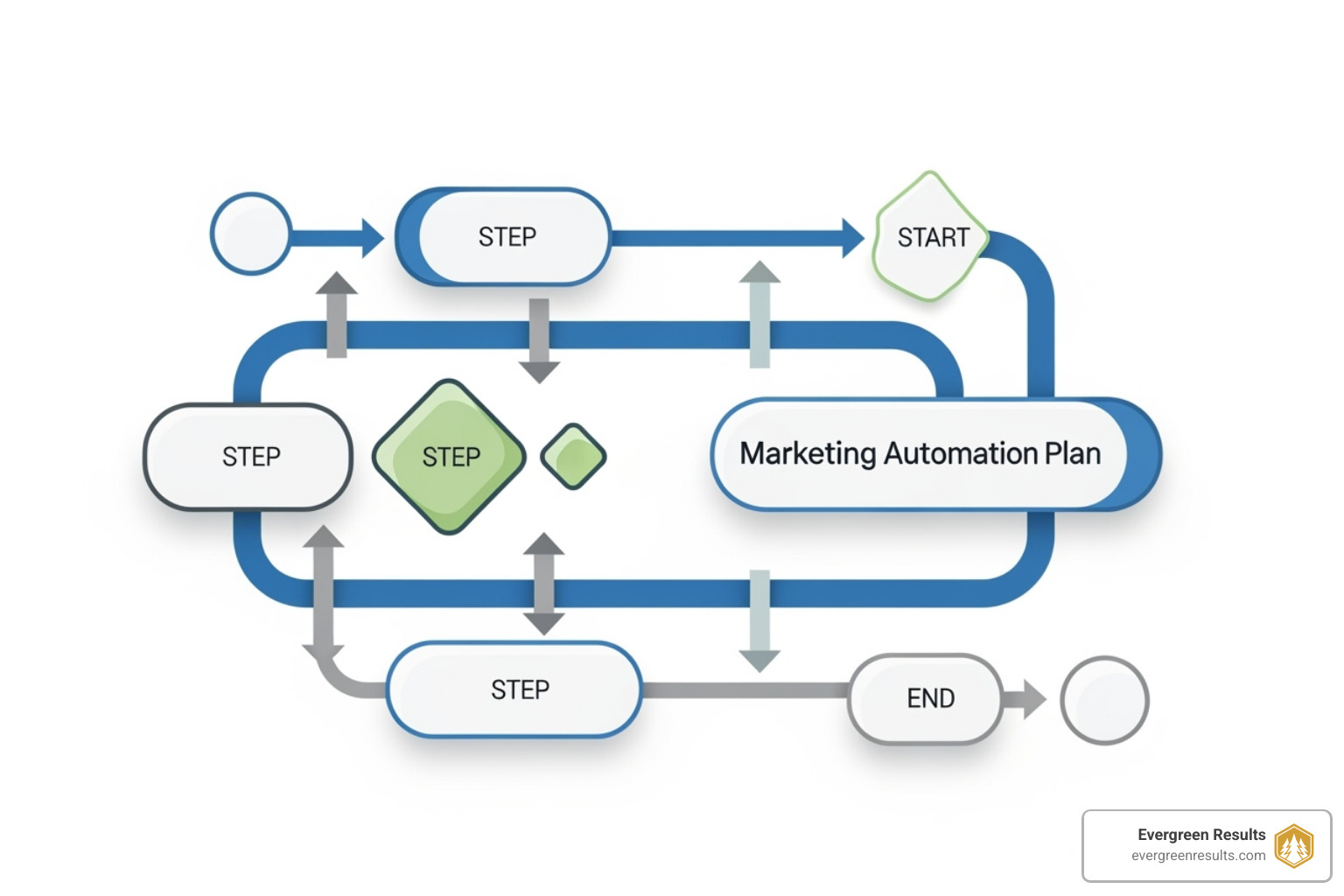
A successful email marketing automation strategy requires careful planning. Here are the key steps:
- Goal Setting: First, define what you want to achieve. Are you boosting sales for a specific product, re-engaging old customers, or welcoming new subscribers? Clear goals guide every decision.
- Audience Segmentation: Break down your audience into meaningful groups. For active lifestyle brands, this could be separating weekend warriors from serious athletes. The more you understand these groups, the better you can speak their language.
- Workflow Mapping: Chart out each customer’s journey, identifying key moments to send automated messages. Plan for scenarios like cart abandonment or long-term inactivity.
- Content Creation: Craft emails that feel personal and valuable. Design eye-catching templates, write compelling subject lines, and create calls-to-action that inspire action.
- A/B Testing: Never assume you know what works best. Test different subject lines, layouts, and send times to optimize your results.
- Performance Monitoring: Continuously track key metrics like open rates, click-through rates, and revenue. This data provides a feedback loop for ongoing improvement.
More info on Email Marketing Strategy for Food & Beverage Brands
Choosing the Right Email Marketing Automation Platform
Selecting the right platform is like choosing the right gear for an expedition. Focus on these key features:
- Visual Workflow Builder: An intuitive drag-and-drop interface is essential for designing complex automation sequences without needing to code.
- Advanced Segmentation: The platform must be able to create dynamic lists based on deep behavioral data, such as pages visited or products viewed.
- CRM Integration: Connecting your automation platform with your CRM creates a complete customer picture, aligning marketing and sales efforts.
- Analytics and Reporting: Look for clear, actionable reports on open rates, clicks, conversions, and revenue attribution.
- Scalability: Choose a platform that can grow with your business, from a few hundred subscribers to thousands, without holding you back.
- A/B Testing & Multi-channel Options: Comprehensive testing helps you optimize campaigns, while integrating SMS (with its 98% read rate) gives you more ways to connect.
Segmenting Your Audience for Maximum Relevance
Effective segmentation makes every email feel personal. Group your audience based on:
- Demographics: Basic data like location can help you send relevant content (e.g., emails about local hiking events to customers in Colorado).
- Purchase History: This reveals customer preferences. Someone who buys hiking boots is likely interested in camping gear.
- Website Behavior: Actions like viewing a product multiple times or downloading a guide tell you what’s on a customer’s mind right now.
- Engagement Level: Separate your brand advocates who open every email from those who need a gentle nudge to re-engage.
- Lifecycle Stage: Tailor your messaging for new leads, first-time buyers, and loyal customers. Each stage requires a different approach.
Using dynamic lists that automatically update based on these criteria ensures your automation stays current and relevant without constant manual work.
More info on Personalization in Email Campaigns for Food & Beverage
Common & Effective Email Marketing Automation Workflows
Email marketing automation workflows are automated sequences that nurture relationships and drive sales. Here are some of the most effective types:
- Welcome Series: Your digital handshake. These emails introduce your brand to new subscribers and get 4 times more reads than regular marketing emails.
- Lead Nurturing Drips: These sequences cultivate relationships with potential customers who aren’t ready to buy, providing value and building trust over time.
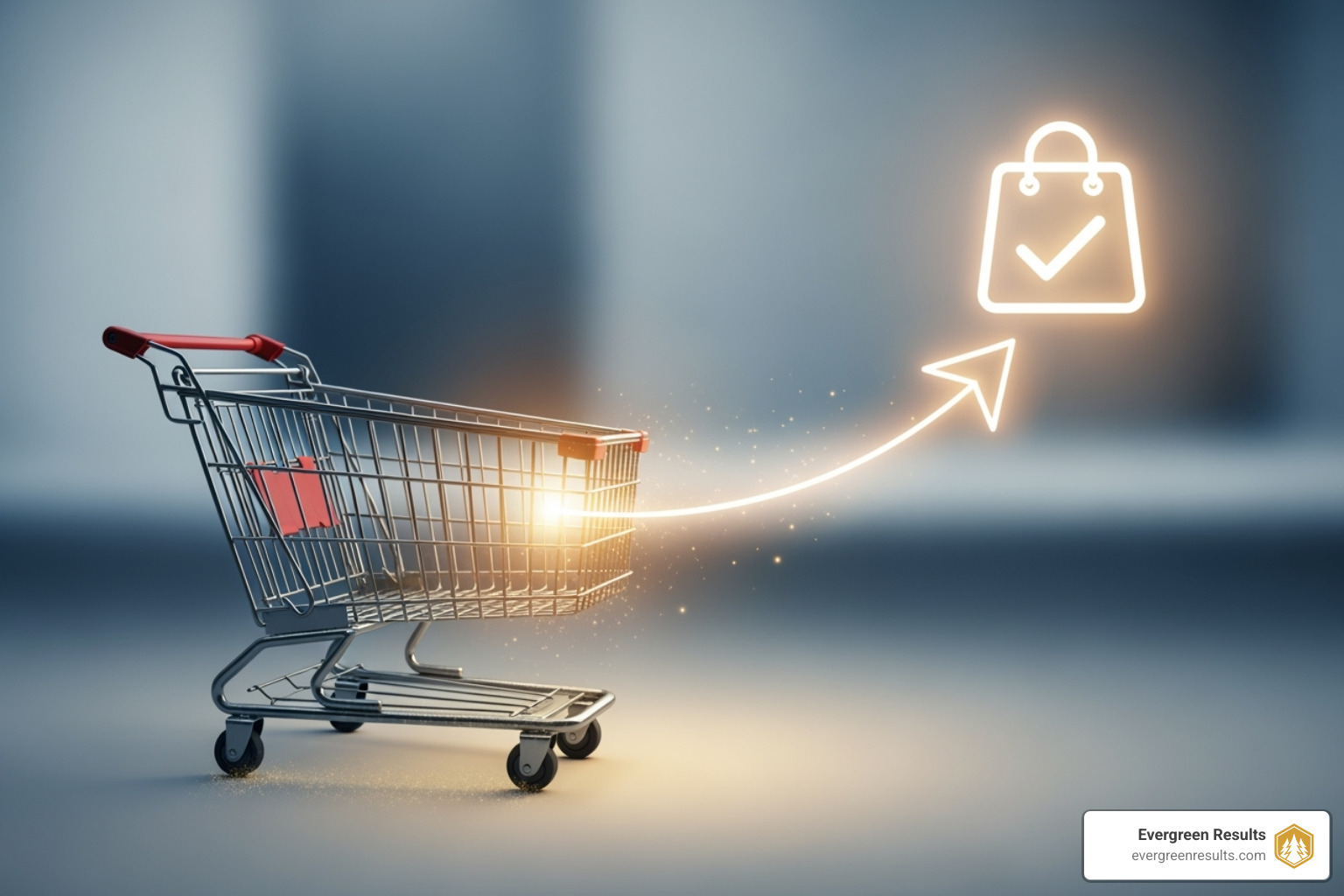
- Abandoned Cart Recovery: With about 70% of e-commerce shoppers abandoning their carts, this workflow is crucial. It sends timely reminders to encourage customers to complete their purchase.
- Re-engagement Campaigns: These workflows target inactive customers with special offers or compelling content to win them back.
- Post-Purchase Follow-ups: After a sale, these emails can provide usage tips, request reviews, or suggest complementary products, turning a transaction into a relationship.
- Upsell and Cross-sell: These workflows act as a smart sales associate, making personalized recommendations based on past purchases.
Case Study: Growing Email Subscribers from 90k to 300k
Real-World Examples for Active & Lifestyle Brands
- New Gym Member Welcome: A welcome series can share facility hours, offer a guide to gym equipment, and provide a healthy smoothie recipe to set new members up for success.
- Outdoor Gear Post-Purchase: After someone buys a waterproof jacket, an automated email can provide detailed care instructions and link to specialized cleaning products.
- Running Shoe Abandoned Cart: An abandoned cart email can include a customer review about the shoe’s comfort and a link to a blog post on choosing the right running shoe.
- Subscription Box Re-engagement: For a customer who hasn’t engaged in months, a re-engagement email can highlight new seasonal recipes or offer a discount on their next box.
More info on 5 Email Marketing Strategies for Outdoor Brands
Real-World Examples for Food & Beverage Brands
- First-Time Grocery Order: A welcome email can thank the customer and offer a discount on their next order to encourage repeat business.
- Recipe Drip Campaign: If a customer buys a unique ingredient, a follow-up email can feature a recipe using it, linking to other necessary items.
- Post-Delivery Feedback: A few hours after a food delivery, an automated email can ask for feedback, showing you value their opinion and allowing you to address issues quickly.
- Birthday Campaign: A simple birthday greeting with a free dessert offer or a discount creates a lasting emotional connection.
Advanced Tactics & Best Practices for Maximum Impact

Once you’ve mastered the basics, use these advanced tactics to optimize for impact and scale.
- Lead Scoring: Assign points to prospects based on their engagement (e.g., opening emails, visiting pricing pages). Automation can then notify your sales team when a lead is “sales-ready.”
- Dynamic Content: Take personalization to the next level by changing sections of an email based on subscriber data. A single activewear email could show running shoes to one segment and yoga mats to another.
- Predictive Sending: Leverage AI to predict the optimal time to send an email to each individual for maximum engagement.
- Multi-channel Automation: Integrate SMS, push notifications, and social media ads into your workflows. An email for a flash sale could be followed by an SMS reminder, which has a 98% read rate.
- Data Privacy & Compliance: Ensure your practices comply with legislation like GDPR and the CAN-SPAM Act. This includes clear opt-ins, easy unsubscribe options, and transparent data handling.
More info on Email Newsletter Best Practices for Outdoor Brands
Advanced Features to Look For
When choosing a platform, look for these sophisticated features:
- AI-powered Content Generation: Get AI assistance for generating email copy and subject lines to streamline content creation.
- Predictive Analytics: Use historical data to forecast future customer behavior, identify churn risks, and proactively engage customers.
- Integrated CRM: A seamless CRM connection provides a 360-degree view of your customers, unifying marketing, sales, and service teams.
- Multi-touch Attribution Reporting: Understand the full customer journey by attributing conversions across multiple touchpoints, not just the last click.
Best Practices for Email Marketing Automation
Success hinges on adhering to these fundamental best practices:
- Clean Your List Regularly: Remove inactive subscribers and bounced emails to improve your sender reputation and deliverability.
- A/B Test Everything: Continuously test subject lines, calls-to-action, copy, and timing to optimize performance.
- Personalize Beyond the First Name: Use behavioral data and purchase history to tailor content and product recommendations.
- Monitor Your Sender Reputation: Keep an eye on bounce rates and spam complaints. A strong reputation ensures your emails land in the inbox.
- Ensure Mobile-First Design: The majority of emails are opened on mobile, so your designs must be responsive and easy to read on small screens.
- Comply with the CAN-SPAM ACT: Follow legal requirements, such as including a physical address and a clear opt-out link, to maintain trust and avoid legal issues.
Frequently Asked Questions about Email Automation
Here are answers to the most common questions about email marketing automation.
How does email marketing automation increase sales and engagement?
Automation boosts sales by delivering the right message at the right moment. This is achieved through:
- Timely Communication: An automated cart abandonment reminder sent within an hour is far more effective than a weekly newsletter sent days later.
- Behavioral Triggers: Instead of guessing, automation responds to what customers actually do. Someone who downloads a running guide gets relevant follow-up emails about running gear.
- Personalized Offers: Tailoring content and offers based on past purchases and browsing history makes customers feel understood, which can increase sales per email opening by an average of 150%.
- Customer Lifecycle Marketing: Automation nurtures relationships at every stage, from welcoming new subscribers to re-engaging inactive customers.
How do I keep my automated emails from going to the spam folder?
Improving deliverability is key to ensuring your emails are seen. Follow these best practices:
- Use a Reputable Platform: Professional email platforms have established relationships with Internet Service Providers (ISPs) and handle technical authentication.
- Avoid Spam Triggers: Don’t use excessive exclamation points, all-caps subject lines, or spammy words like “FREE” or “GUARANTEED.”
- Maintain List Hygiene: Regularly remove inactive subscribers and bounced email addresses to keep your list healthy and engaged.
- Encourage Engagement: Ask subscribers to add you to their contacts and encourage replies to signal to ISPs that your content is valued.
- Follow the CAN-SPAM ACT: Always include a clear unsubscribe link and your physical address.
What’s the difference between a drip campaign and an automation workflow?
This is a common point of confusion. Here’s the simple breakdown:
Drip Campaigns are linear and time-based. They send a pre-set sequence of emails at fixed intervals (e.g., Day 1, Day 3, Day 7). Everyone gets the same messages in the same order, regardless of their actions.
Automation Workflows are dynamic and behavior-based. They use triggers to adapt to what a user does. If a customer makes a purchase after the first email in a sequence, the workflow can automatically move them to a different path, such as a post-purchase follow-up. Workflows are more flexible and create a more personalized experience.
Put Your Email Marketing on Autopilot and Watch Your Business Grow
Email marketing automation is the key to delivering personal, timely, and relevant messages at scale. It’s how you build the loyal community every active lifestyle and food brand dreams of.
The benefits are clear: increased efficiency for your team, higher quality leads for your sales pipeline, and better conversion rates. Most importantly, it creates an improved customer experience that fosters deep, lasting relationships.
As your business grows, your automation system scales with you. Every new customer receives the same personalized attention and carefully crafted journey that made your first customers fall in love with your brand.
At Evergreen Results, we’ve seen how the right automation strategy can be a game-changer. We understand that your customers are buying into a lifestyle, and our automation strategies reflect that by creating campaigns that feel authentic, valuable, and genuinely helpful.
By putting your email marketing on autopilot, you gain the freedom to focus on what you do best: creating amazing products and serving your community, while your automation system works 24/7 to drive sustainable growth.
Take your brand to the next level with our Email Marketing Services