
The Ultimate Guide to Making Your Customers Obsessed With You
Why Customer Engagement Strategies Are the Growth Engine Your Brand Needs
Customer engagement strategies are the specific tactics and systems brands use to build ongoing, two-way relationships with their customers — across every channel and touchpoint.
Here are the most effective ones to focus on in 2026:
- Personalization — Use behavioral data and AI to deliver relevant messages at the right moment
- Omnichannel consistency — Connect email, SMS, social, and in-app experiences so context carries forward
- Community building — Loyalty programs, UGC, and brand ambassador initiatives that reward real participation
- Proactive service — Reach out before problems arise, not just after complaints come in
- Feedback loops — Collect and act on customer input through NPS surveys, reviews, and preference centers
- Lifecycle-based messaging — Treat a new subscriber differently than a longtime VIP
- Social media responsiveness — 79% of customers expect a reply within 24 hours; missing that window costs you
Most brands pour money into acquiring new customers while letting existing ones quietly drift away. That’s a costly mistake. Engaged customers stay longer, spend more, and bring others with them — without you paying another dollar in ad spend.
The numbers back this up. Brands that embrace cross-channel engagement see a 55% increase in 90-day retention. Customers who report high-quality omnichannel experiences are 3.6x more likely to purchase additional products. And 73% of customers say they’d switch to a competitor after multiple bad experiences — with more than half ready to leave after just one.
The stakes are real. And the opportunity is even bigger.
I’m Adam Bocik, founder of Evergreen Results, where I’ve spent years helping active lifestyle and e-commerce brands build smarter customer engagement strategies that drive sustainable growth — not just one-time spikes. In this guide, I’ll walk you through exactly what works, what to measure, and how to build a system your customers will actually respond to.
Customer engagement strategies terms made easy:
What is Customer Engagement and Why Does it Matter in 2026?
In 2026, the digital landscape has shifted. We are no longer in an era where “blasting” messages at an audience works. Today, customer engagement is defined as the ongoing, two-way interaction between a brand and its customers. It is the emotional and behavioral connection that happens when a customer chooses to open your email, reply to your social post, or join your community forum.
Unlike passive marketing, true engagement requires the buyer to be an active participant. It’s the difference between someone seeing your ad (passive) and someone participating in your “Boulder Trail Run” photo contest (active).
Understanding the Differences: CE vs. CX vs. CSat
It’s easy to get these terms mixed up, but in 2026, distinguishing them is vital for your strategy.
| Metric | Focus | Nature |
|---|---|---|
| Customer Experience (CX) | The overall “vibe” and perception of the brand. | Passive & Holistic |
| Customer Satisfaction (CSat) | How well a product or service met expectations. | Reactive & Rational |
| Customer Engagement (CE) | The depth and frequency of interactions. | Active & Emotional |
While a customer might be “satisfied” with a granola bar they bought, they are only “engaged” if they follow your brand on Instagram to see new flavor launches and share their hiking photos with your hashtag. Emotional factors now influence 70% of buying decisions, making engagement the ultimate goal for brands in Denver, Castle Rock, and beyond.
The Power of First-Party Data
With third-party cookies being a thing of the past, 2026 is the year of first-party and zero-party data. Customer engagement strategies now rely on the information customers willingly give us—like their flavor preferences, their favorite local Colorado trails, or how often they want to hear from us. This data allows us to move away from “creepy” tracking and toward “helpful” personalization.
The Business Case for Strong Customer Engagement
Why should you care? Because disengaged customers represent a 13% discount in profitability, while highly engaged customers spend 20-40% more.
- Higher Retention Rates: It’s significantly cheaper to keep a customer than to find a new one. Cross-channel engagement can double your 90-day retention.
- Churn Reduction: Not responding to social media comments can increase churn by 15%. Engagement acts as the “glue” that keeps customers from wandering to competitors.
- Increased Lifetime Value (CLV): Retailers using cross-channel messaging see a 5x increase in CLV. When customers feel a connection, they don’t just buy once; they buy for life.
- Advocacy and Word-of-Mouth: Engaged customers are your best unpaid sales team. They leave reviews, refer friends in Fort Collins, and defend your brand online.
7 High-Impact Strategies to Build Lasting Brand Loyalty
Building obsession isn’t about one lucky viral post. It’s about a structured roadmap. Here are seven strategies we use at Evergreen Results to help our clients dominate their niches.
1. Personalization and AI-Driven Customer Engagement Strategies
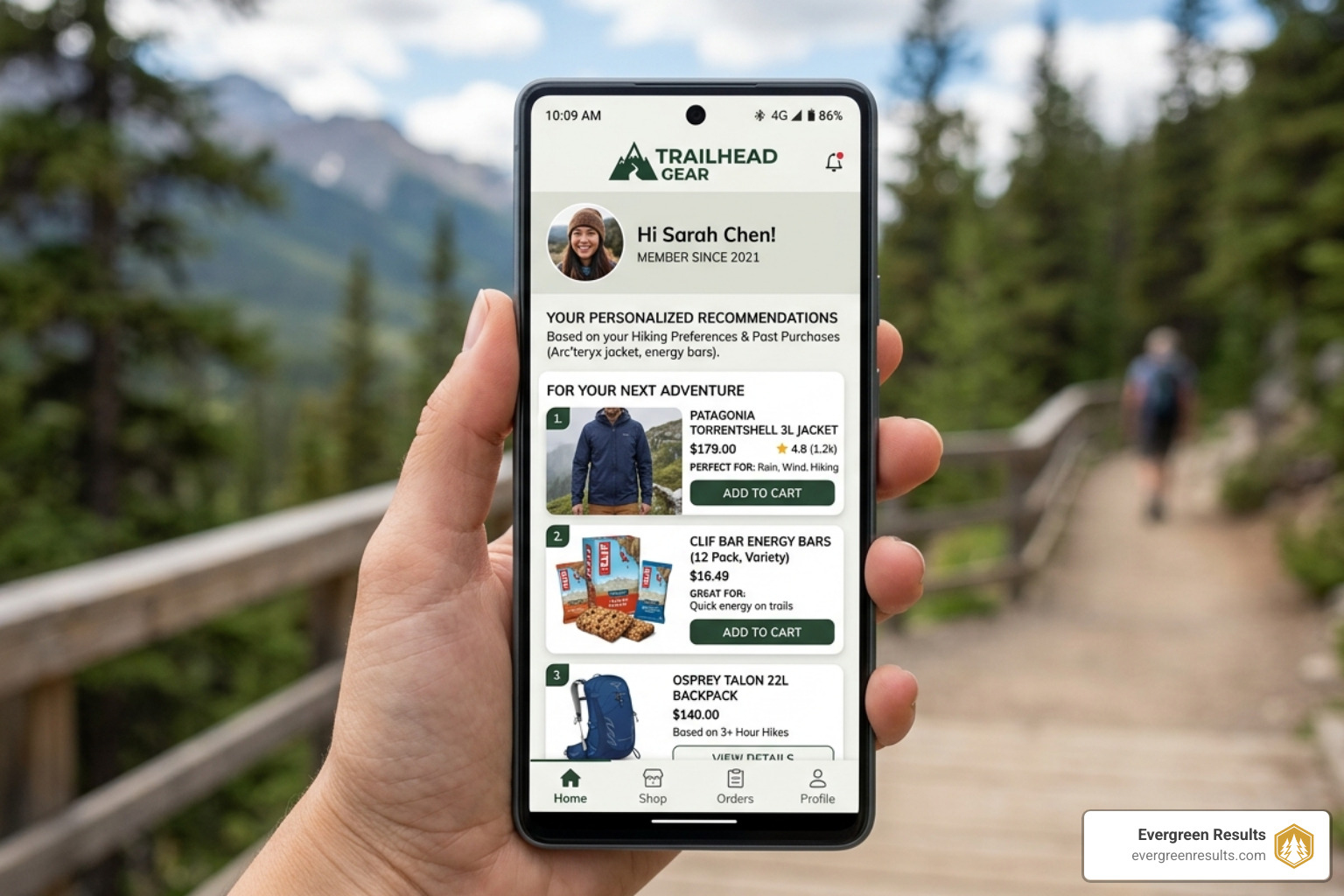
In 2026, seeing “Hi [First Name]” in an email isn’t personalization—it’s the bare minimum. True hyper-personalization uses AI decisioning to predict what a customer needs before they even know it.
We use predictive analytics to identify “at-risk” customers (those who haven’t engaged in 30 days) and automatically trigger a “We miss you” offer tailored to their past purchases. AI also helps us optimize “next-best” actions, such as suggesting a waterproof jacket to a customer who just booked a rainy-season trip to the mountains. This level of real-time relevance is how you turn a casual browser into an obsessed fan. For more on this, check out our Social Media Brand Engagement tips.
2. Leveraging Omnichannel Customer Engagement Strategies
Customers don’t think in “channels.” They don’t think, “Now I am interacting with the SMS department.” They see one brand. Your customer engagement strategies must reflect that.
If a customer abandons a cart on your website, they should receive a helpful SMS reminder, followed by a personalized email with a video showing how to use the product. Brands that use cross-channel strategies see a 230% ROI increase. The goal is consistency. Whether they are visiting your shop in Lakewood or scrolling TikTok in Castle Pines, the voice and value must be identical. Learn more about Connecting Audience Tips Social Marketing.
3. Community Building and User-Generated Content
People trust other people more than they trust brands. This is why user-generated content (UGC) is the gold standard of engagement.
- Loyalty Programs: Move beyond “buy 10, get 1 free.” Create tiers that reward engagement, like giving points for writing a review or attending a local community event in Monument.
- Gamification: Use challenges. For an active lifestyle brand, this could be a “30-Day Colorado Peak Challenge” where users log miles for badges and exclusive discounts.
- Social Listening: Don’t just post; listen. Respond to mentions within 24 hours. This builds a community that feels heard.
For ideas on what to post to get these conversations started, see our guide on Engaging Social Media Content and how we suggest Serving Up Content Social Media.
4. Proactive Onboarding and Education
In the B2B SaaS world or even for complex physical products (like high-end mountain bikes), the first 30 days are critical. Proactive onboarding—sending “how-to” videos or offering a quick setup call—drastically reduces support tickets and improves renewal rates. At Evergreen Results, we believe in educating the customer so they become an expert in your product.
5. Milestone and “Surprise & Delight” Campaigns
Celebrate your customers. Send a “Happy Anniversary” discount on the date of their first purchase. Use Spotify-style “Year in Review” emails to show them how many miles they ran or how many coffees they enjoyed. These emotional touchpoints prove you value the relationship, not just the transaction.
6. Preference Centers and Consent-Based Marketing
Give the power back to the customer. A preference center allows them to choose how often they hear from you and what topics they care about (e.g., “Only send me info on trail running, skip the yoga content”). Respecting these boundaries builds massive trust and reduces unsubscribe rates.
7. Conversational Support and Live Chat
Don’t make customers wait 48 hours for an email reply. Implement live chat or AI-powered chatbots that can handle basic questions instantly. For more complex issues, ensure a seamless handoff to a human. This “empathy-first” support turns a potential bad experience into a loyalty-building moment.
Measuring Success: Key Metrics for Your Engagement Strategy
You can’t manage what you don’t measure. In 2026, we look at a mix of “soft” emotional metrics and “hard” financial ones.
- Net Promoter Score (NPS): “How likely are you to recommend us?” This is the ultimate measure of advocacy.
- Customer Satisfaction Score (CSat): Measured after specific interactions (like a support chat) to ensure your team is delivering quality.
- Customer Effort Score (CES): How easy was it for the customer to solve their problem? Lower effort equals higher loyalty.
- Monthly Active Users (MAU): For apps or community forums, this tracks how many people are actually “living” in your ecosystem.
- Engagement Score: A custom metric we often build for clients that weighs actions (e.g., a purchase is 10 points, a social share is 5 points, an email open is 1 point).
Building Your Roadmap: How to Implement Customer Engagement Strategies
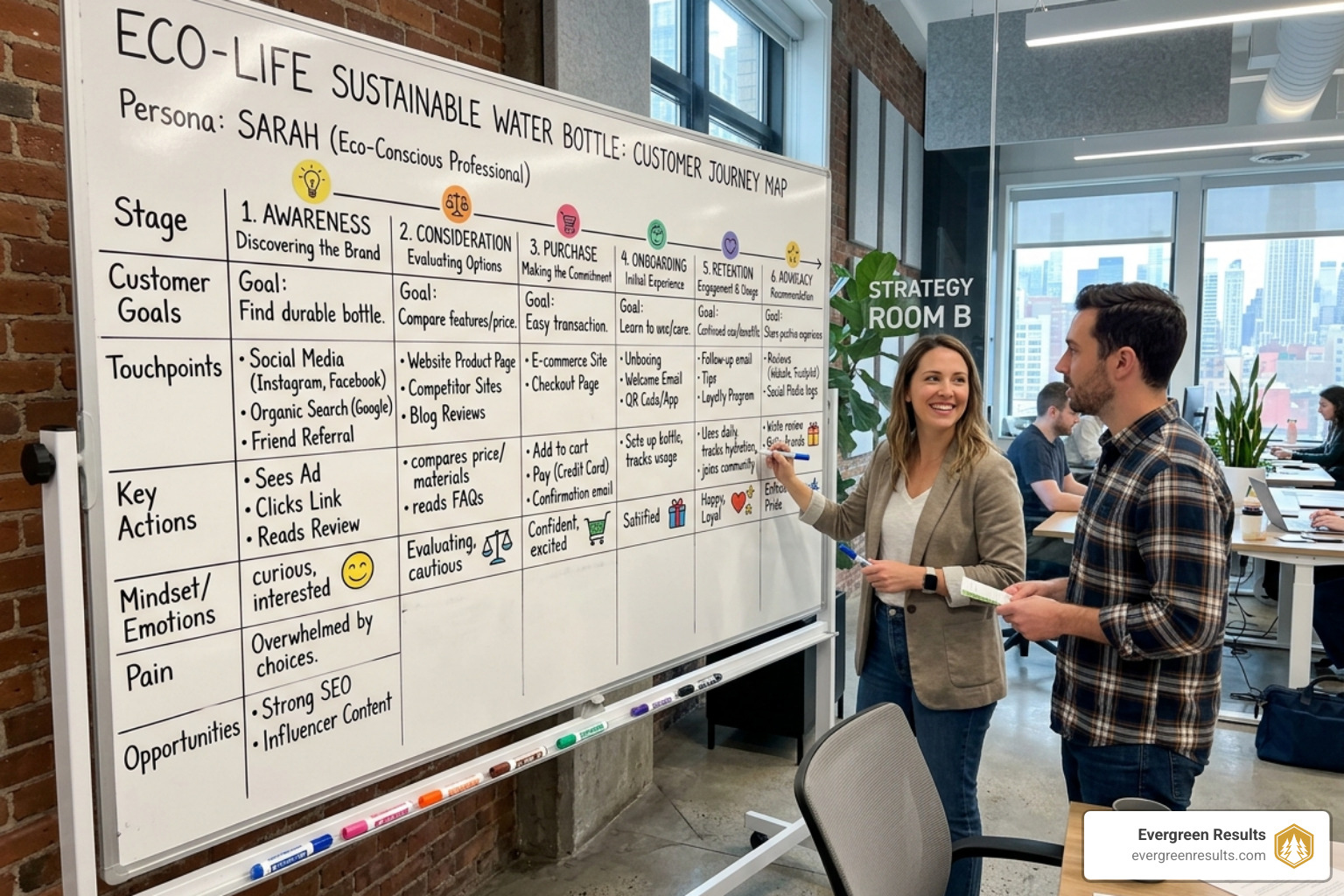
Ready to start? Don’t try to do everything at once. Follow this roadmap:
- Audit Your Current Touchpoints: Where are you losing people? Is your onboarding sequence stale? Do you ignore Instagram comments?
- Segment Your Audience: You cannot engage everyone the same way. Group your customers by lifecycle stage (New, Active, VIP, At-Risk).
- Define Your Goals: Do you want to increase repeat purchases by 20%? Or boost your NPS from 40 to 60?
- Choose Your Tools: Whether it’s a CRM, a customer engagement platform, or AI-driven email software, ensure your tech stack talks to each other. Disconnected tools lead to disconnected experiences.
- Create a Content Calendar: Plan your “value-first” content. Use our tips to Optimize Content for Social Media to ensure your posts are actually seen.
- Launch and Iterate: Start with one or two strategies, measure the results, and refine.
Tailoring Engagement for Active Lifestyle and Food Brands
At Evergreen Results, we specialize in the Colorado market. We know that a “one-size-fits-all” approach doesn’t work for a local kombucha brand in Fort Collins or a ski-tech startup in Boulder.
- Niche Communities: We help brands tap into the local passion for the outdoors. This means creating content that references specific local spots—like a “Best Post-Hike Snacks in Castle Rock” guide.
- Seasonal Campaigns: In Colorado, the seasons dictate behavior. Your customer engagement strategies should shift from “winter prep” in October to “summer trail season” in May.
- Local Growth: Whether you’re looking for marketing expertise in Aurora or digital growth in Lakewood, we focus on building community roots. We’ve seen brands in Englewood and Castle Pines thrive by hosting local meetups or partnering with local influencers who truly live the lifestyle.
Frequently Asked Questions about Customer Engagement Strategies
How does AI improve customer engagement in 2026?
AI has moved from “basic chatbots” to “predictive engines.” It allows brands to analyze millions of data points to deliver 1:1 personalization at scale. It can predict churn before it happens, optimize email send times for each individual user, and even help draft personalized responses that maintain your brand’s unique voice.
What are the most common mistakes in engagement strategies?
The biggest mistake is “over-messaging without relevance.” Sending three generic emails a week is not engagement—it’s spam. Other mistakes include operating in silos (where marketing doesn’t talk to support) and failing to act on customer feedback. If you ask for a survey and never change anything, you’re actually damaging trust.
Is customer engagement more important than acquisition?
In 2026, yes. With rising ad costs and privacy changes making it harder to target new leads, your existing customer base is your most valuable asset. Increasing retention by just 5% can boost profits by 25% to 95%. Acquisition gets them in the door; engagement keeps them in the house.
Conclusion
Making your customers obsessed with you isn’t about manipulation; it’s about mutual value. It’s about showing your customers that you understand their needs, respect their time, and share their passions.
At Evergreen Results, we live and breathe the active lifestyle. From our offices in Denver and Boulder to our teams in Colorado Springs and Fort Collins, we are dedicated to helping food, beverage, and outdoor brands grow through authentic community building. We don’t just want to help you get more clicks; we want to help you build a brand that people talk about at the trailhead or the dinner table.
Sustainable growth comes from happy, engaged customers who feel like they are part of something bigger. If you’re ready to stop guessing and start building a strategy that actually moves the needle, we’re here to help.